Top 5 Tips for Choosing Arc Chamber for MCCB
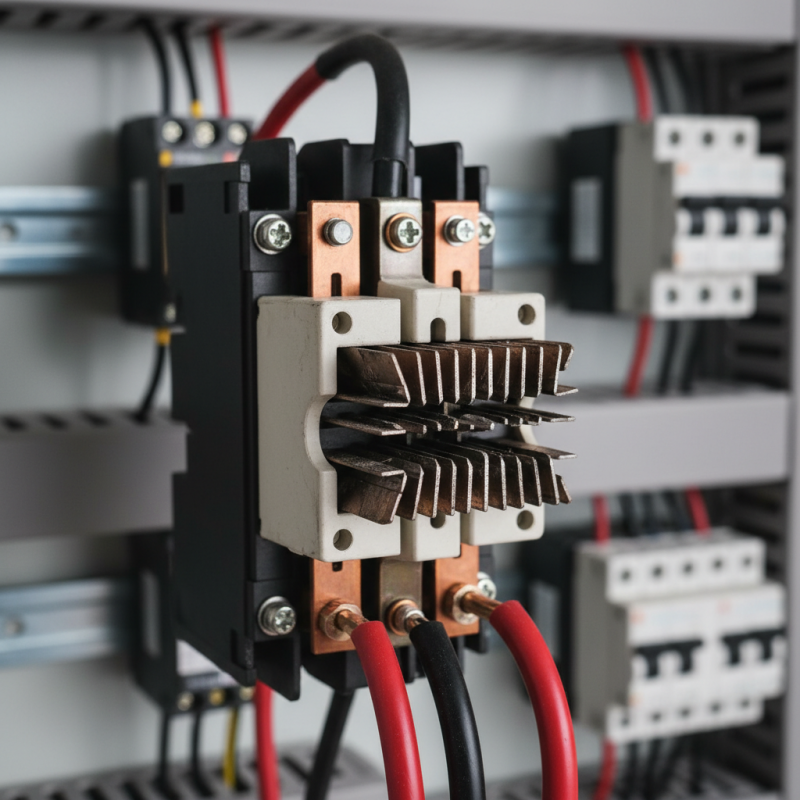
When selecting the right Arc Chamber for MCCB, it’s crucial to consider various factors. The arc chamber plays a vital role in interrupting the electrical arc during fault conditions. This component greatly influences the reliability and safety of your circuit protection. An appropriate arc chamber can enhance performance and extend the life of your MCCB.
Understanding the specific requirements for your application is essential. Different environments and load conditions may require unique designs. Such details can significantly impact the effectiveness of the arc chamber. Many users overlook these specifics, leading to suboptimal choices and, ultimately, failures.
Investing time in this selection process pays off. Consulting with experts and considering technical specifications offer valuable insights. Ultimately, making an informed decision about the arc chamber for MCCB ensures better safety and reliability in electrical systems.
Understanding the Purpose of Arc Chambers in MCCBs
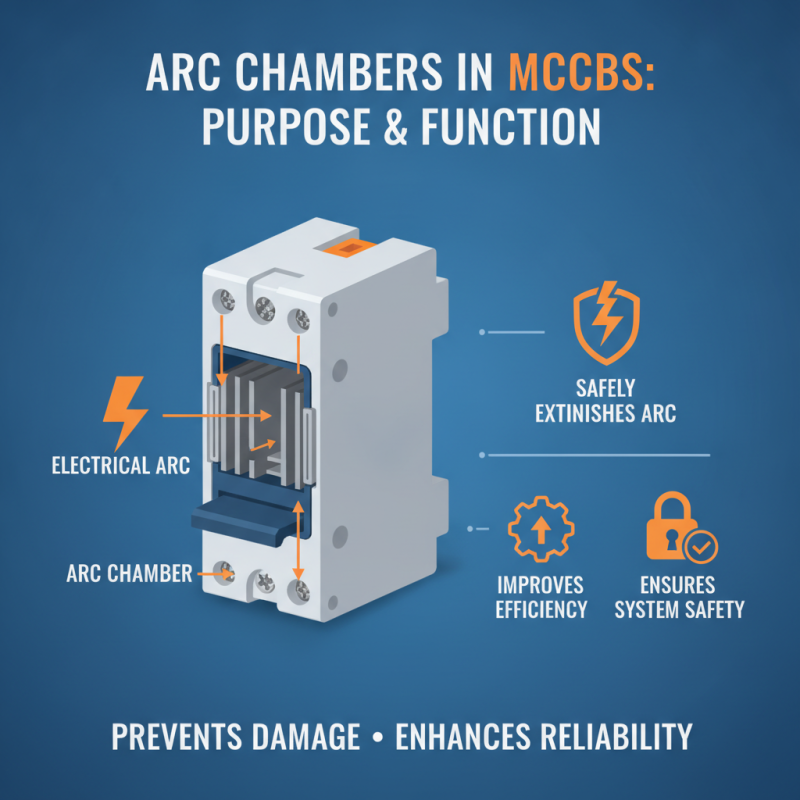
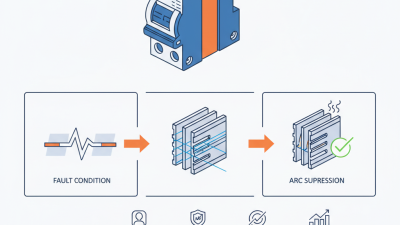
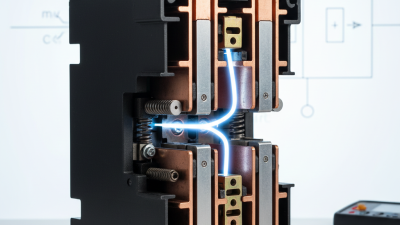
Arc chambers play a crucial role in molded case circuit breakers (MCCBs). Their main function is to extinguish the arc that forms during the interruption of electrical currents. This process is vital for ensuring the safety and efficiency of electrical systems. When an MCCB operates, current interruption can cause an arc. Without effective arc chambers, these arcs can lead to damage or even failure of the circuit breaker.
Choosing the right arc chamber requires an understanding of its design and material. The effectiveness of an arc chamber depends on its geometry and the materials used in its construction. Some designs focus on minimizing the time the arc exists. Others aim to cool the arc quickly. Each design offers different benefits and limitations. Evaluating these can be challenging, particularly without deep technical knowledge.
The reliability of the arc chamber is also a point to consider. An arc chamber that doesn’t perform well can lead to serious consequences. It may weaken the overall performance of the MCCB, which can affect entire electrical systems. It’s essential to assess the needs of your specific application before making a choice. The decision should not be underestimated, as it impacts overall safety and efficiency.
Key Factors to Consider When Choosing an Arc Chamber
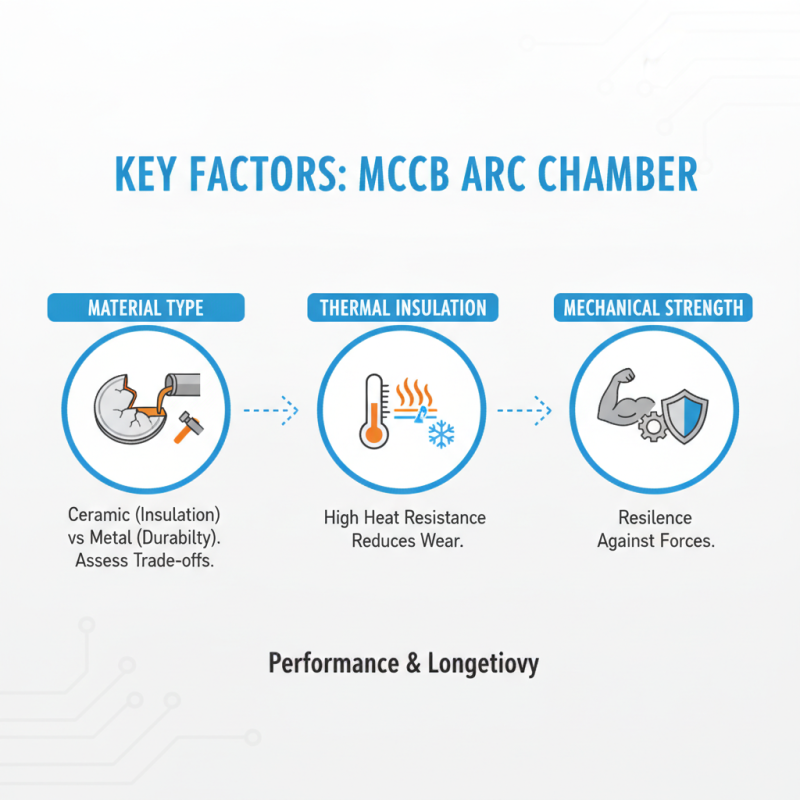
Choosing the right arc chamber for your Molded Case Circuit Breaker (MCCB) is crucial. One key factor to consider is the material used in the arc chamber. Different materials can affect the performance and longevity of the MCCB. For example, high-quality ceramics may provide better thermal insulation, but they can also be more fragile than metal options. Assessing the trade-offs is important.
Another significant consideration is the design of the arc chamber. The geometry must facilitate effective arc interruption. Complex designs may improve the performance but can also lead to higher manufacturing costs. Understanding the balance between efficiency and budget constraints is vital.
Lastly, it's essential to evaluate the operating conditions. The environmental factors, such as humidity and temperature, can impact the arc chamber's effectiveness. Some chambers may perform well in stable conditions but struggle in variable environments. Reflecting on how these factors align with your application is necessary for making an informed choice.
Material Types Used in Arc Chambers and Their Implications
When selecting an arc chamber for a molded case circuit breaker (MCCB), the choice of materials is crucial. Different materials offer varying degrees of thermal and electrical resistance. For instance, ceramic and fiberglass are commonly used due to their excellent insulation properties. These materials can withstand high temperatures generated during an arc. This resistance is vital for the longevity and reliability of the MCCB.
Metallic components can enhance conductivity but may compromise insulation. Manufacturers must carefully balance these properties. Too much metal might increase the risk of short circuits. On the other hand, insufficient conductive material can lead to poor performance during fault conditions. Assessing these factors requires a deep understanding of material science and electrical engineering principles.
Choosing the right material might seem straightforward, yet it demands expertise. Each component influences the overall safety and effectiveness of the MCCB. A common mistake involves underestimating the impact of heat dissipation. Ignoring this can lead to premature failure. It’s essential to reflect on these considerations to ensure optimal performance.
The Role of Design in Arc Chamber Efficiency
When selecting an arc chamber for Molded Case Circuit Breakers (MCCB), the design plays a crucial role in efficiency. A well-designed arc chamber can greatly enhance the device's ability to extinguish arcs safely and effectively. This is vital in preventing equipment damage and ensuring reliable operation.
Consider the shape of the chamber. The geometry affects arc behavior. A design that directs the arc can improve quenching efficiency. Look for features that optimize airflow. This assists heat dissipation and minimizes the risk of thermal incidents.
Also, evaluate the materials used in construction. The right materials enhance durability and performance under stress. Choose those that exhibit high arc resistance. This will increase longevity and reliability. Remember, a poor choice can lead to serious operational failures.
Design elements matter. An inefficient arc chamber can result in high energy loss. It may lead to equipment malfunction. It's essential to reflect on these aspects before making a decision. Safe and efficient performance hinges on your choices.
Top 5 Tips for Choosing Arc Chamber for MCCB
This chart depicts the top five considerations when selecting an arc chamber for MCCB, with their corresponding importance levels on a scale from 1 to 10. Material quality and safety standards are ranked the highest, emphasizing their critical role in ensuring efficiency and reliability.
Maintenance and Inspection Tips for Arc Chambers in MCCBs
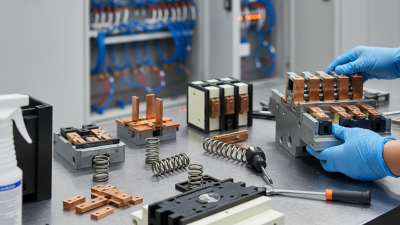
When maintaining arc chambers in Molded Case Circuit Breakers (MCCBs), regular inspection is essential.
These components can wear over time and lead to inadequate performance. It's crucial to check for signs of carbon build-up,
which can affect insulation and disrupt functionality. Visual inspections help in identifying issues early, preventing larger problems down the line.
Consider cleaning the arc chamber regularly. A clean environment reduces the risk of arcing faults. Use dry cloths to remove debris,
but avoid abrasive materials that could scratch surfaces. Frequent checks can help maintain optimal operation. Don’t forget to observe for
unusual wear patterns. They may indicate underlying problems.
Documenting maintenance activities is equally important. Keeping records can highlight trends in performance and issues that arise. This reflection allows
for informed decisions when upgrading or replacing components. Remember, every small detail matters in ensuring the reliability of arc chambers.
Regular attention can lead to enhanced safety and efficiency in electrical systems.