Leave Your Message

Top 10 Rcbo Breaker Features You Should Know About?

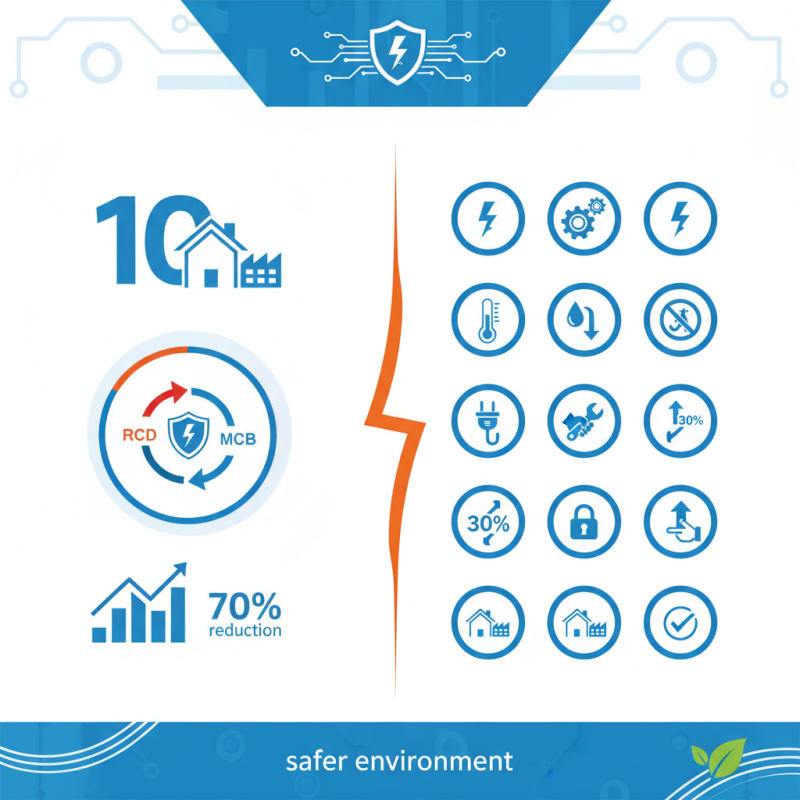
In today's electrical systems, the importance of the Rcbo Breaker cannot be overstated. This device combines the functions of an RCD and an MCB, providing essential protection from both overloads and earth faults. According to industry studies, nearly 70% of electrical fires are caused by short circuits or earth faults. Proper installation of Rcbo Breakers can significantly reduce these risks.

Professionals recommend selecting Rcbo Breakers that meet specific features for optimal safety. These features can enhance overall system reliability. Data from the National Fire Protection Association indicates that integrating advanced protection devices like Rcbo Breakers could lower risks of electrical incidents by up to 30%.

Understanding the key features of Rcbo Breakers helps consumers make informed choices. Yet, many users are unaware of their benefits. Choosing the wrong ones can lead to insufficient protection. Paying attention to these features ultimately contributes to a safer electrical environment for both residential and commercial settings.
Top 10 Rcbo Breaker Features You Should Know About?

Understanding RCBO (Residual Current Circuit Breaker) Functionality

Top 10 Rcbo Breaker Features You Should Know About?

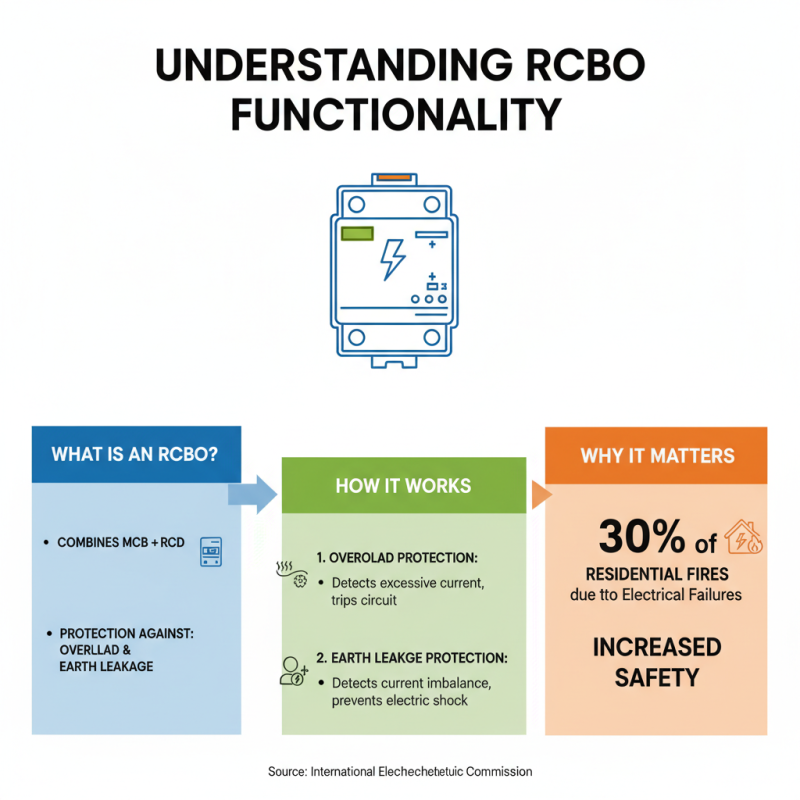
Understanding the functionality of Residual Current Circuit Breakers (RCBOs) is vital for electrical safety. These devices protect against both overload and earth leakage, combining the features of an MCB (Miniature Circuit Breaker) and RCD (Residual Current Device). According to a report by the International Electrotechnical Commission, electrical failures cause approximately 30% of residential fires. This statistic underscores the importance of effective circuit protection in homes.

RCBOs work by monitoring the current flowing through a circuit. If they detect an imbalance, indicating a possible leak to the ground, they trip to cut off the power. This response can occur in as little as 30 milliseconds, which is critical to preventing electric shocks. In residential settings, the installation of RCBOs can reduce the risk of fatal accidents by over 70%, as indicated by a safety study conducted by the National Fire Protection Association.

Installing RCBOs can seem straightforward, yet it requires careful consideration of the specific current ratings and the load type. Incorrect calculations or demand estimations can lead to circuit failures or nuisance tripping. Even experienced electricians sometimes overlook minor factors, such as the accumulation of small appliances on a single circuit. It’s essential to ensure that the entire electrical system is correctly assessed and designed, avoiding potential pitfalls.
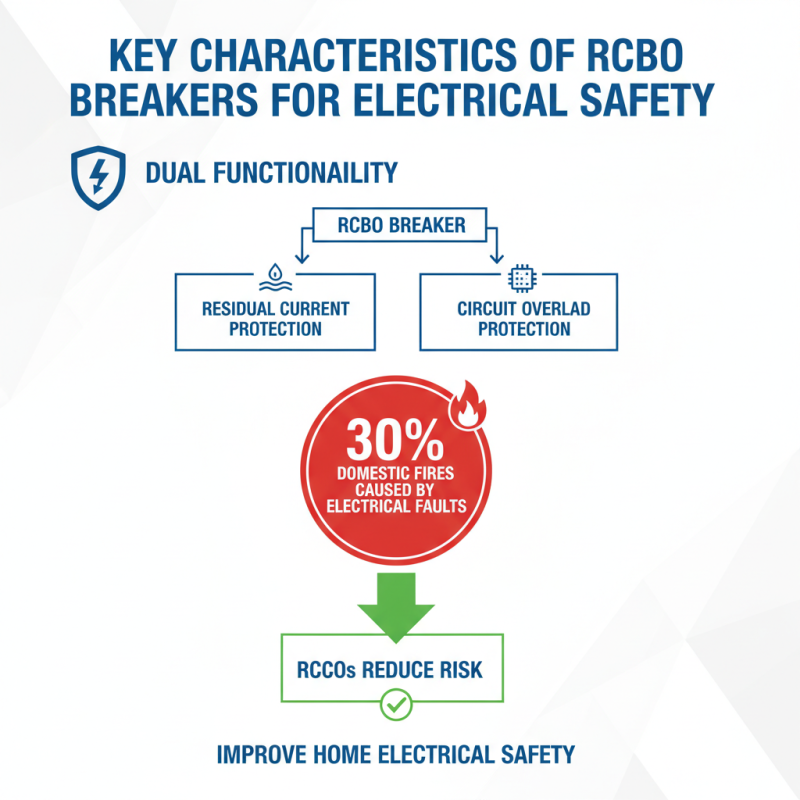
Key Characteristics of RCBO Breakers for Electrical Safety

Top 10 Rcbo Breaker Features You Should Know About?

Understanding the key characteristics of RCBO breakers is crucial for improving electrical safety. These devices integrate residual current protection and circuit protection. This dual functionality is significant, as reports indicate that electrical faults cause 30% of domestic fires. By using RCBOs, homeowners can reduce this risk significantly.

One notable feature of RCBOs is their ability to identify and disconnect faulty circuits. When an electrical fault occurs, the combined mechanism cuts off power immediately. This rapid response can prevent severe electric shocks or equipment damage. The effectiveness of an RCBO can reduce the risk of electrical accidents by up to 50%, according to safety studies by electrical engineering associations. Such data underscores the importance of having reliable circuit protection in both residential and commercial setups.

Another vital aspect is the space-saving design of RCBOs. They occupy less panel space than traditional circuit breakers and RCDs when installed together. This efficiency is becoming crucial as more devices require dedicated circuits. However, electricians must choose the right specifications based on the load and application. Miscalculations can lead to performance inefficiencies, highlighting the need for professional guidance in installations. Knowledgeable professionals should assess specific needs to maximize the benefits of RCBOs for enhanced safety and reliability.

Benefits of Using RCBO Breakers in Residential and Commercial Installations

RCBO breakers offer significant advantages for both residential and commercial installations. They combine the functions of an RCD (Residual Current Device) and a circuit breaker, which enhances electrical safety. Data from the CDC shows that about 30% of residential fires are electrical in nature. Using RCBOs can greatly reduce this risk by detecting earth faults and overloads simultaneously.

In commercial settings, the importance of RCBO breakers cannot be overlooked. According to the National Fire Protection Association, electrical failures are a leading cause of fires. These breakers protect against unwanted tripping, ensuring that systems stay operational. For businesses, this means fewer interruptions and improved productivity. They also allow for individual circuit protection, which is crucial in complex installations.

People often underestimate the advantages of installing RCBOs. While they might seem more expensive upfront, the long-term benefits outweigh the costs. Regular maintenance is necessary to ensure their effectiveness. Without it, they may fail when you need them most. Regular testing and replacement schedules can ensure reliability and performance, helping to avoid unexpected failures.

Top 10 Features of RCBO Breakers

This chart displays the top 10 features of RCBO breakers, showcasing their benefits and applications in both residential and commercial installations.

Differences Between RCBOs, RCDs, and MCBs Explained

When considering electrical safety, understanding the differences between RCBOs, RCDs, and MCBs is essential. RCBOs (Residual Current Circuit Breakers with Overcurrent protection) combine the functions of RCDs and MCBs. They protect against both earth faults and overcurrents. This dual functionality makes them versatile for modern electrical installations.

RCDs (Residual Current Devices) focus on detecting leakage current only. They are vital for preventing electrocution. However, they do not provide overcurrent protection, which is where MCBs (Miniature Circuit Breakers) come in. MCBs safeguard against overloads and short circuits but lack the leakage detection capability. This lack of comprehensive protection can leave circuits vulnerable.

An ideal setup often includes all three devices for full protection. This can be a complex process. Not all installations require such detailed protection. It’s important to evaluate the specific needs of each environment. Compromises might be necessary based on budget or space. Understanding these differences helps in making informed decisions about electrical safety.

Top 10 Rcbo Breaker Features You Should Know About

Feature Description Comparison with RCD & MCB
Protection Type Combines overload protection and earth leakage protection. RCD provides earth leakage only; MCB provides overload only.
Current Rating Available in various ratings to suit different electrical loads. Both RCDs and MCBs also have various ratings but do not combine features.
Earth Fault Protection Detects earth faults and disconnects the circuit. RCD is solely for earth fault protection, while MCB lacks this feature.
Simplified Installation Single device combines multiple functions reducing installation complexity. RCDs and MCBs require separate installations, increasing complexity.
Compact Design Designed to occupy less space in consumer units. RCDs and MCBs take more space when used together.
Test Button Includes a test feature to ensure proper functionality. RCDs have this feature; MCBs typically do not.
Trip Time Quick trip times to protect against overloads and faults. RCDs trip on earth faults, MCBs on load conditions.
Voltage Ratings Available in different voltage ratings for various applications. Similar voltage options available for RCDs and MCBs.
Cost-Effectiveness Cost-effective solution for combining two protections in one device. Separate devices might increase overall costs.

Important Specifications to Consider When Choosing an RCBO

When selecting an RCBO (Residual Current Circuit Breaker with Overcurrent protection), certain specifications are crucial. An RCBO combines the functions of a circuit breaker and an RCD, providing both overcurrent protection and earth fault detection. According to a recent industry report by the International Electrotechnical Commission, around 80% of electrical faults could be prevented with proper devices like RCBOs.

The rated current is the first aspect to consider. This number indicates the maximum electrical load the RCBO can handle. A mismatch could lead to device failures or circuit overloads. Additionally, the rated residual operating current (IΔn) is essential. Generally, values between 30mA and 300mA are common. Devices with lower values, like 30mA, are vital for personal protection, while higher ratings are suitable for equipment protection.

Another aspect is the breaking capacity. Typically, an RCBO should have a breaking capacity of at least 6kA for residential use. This specification indicates how much fault current the device can interrupt without being damaged. It's essential for safety and reliability. While many users overlook these details, doing so could jeopardize safety. Always analyze your specific needs to ensure the RCBO can handle the expected currents and potential faults.