2026 How to Choose the Right Rccb Parts for Your Electrical System?
Choosing the right RCCB parts for your electrical system is crucial for safety and efficiency. According to the International Electrotechnical Commission (IEC), improper use of electrical components contributes to a significant percentage of electrical accidents. RCCB parts play a critical role in protecting against electrical shocks and fires. In fact, the Electrical Safety Foundation International (ESFI) reports that ground fault circuit interrupters, including RCCBs, can prevent up to 48% of residential electrocutions.
With the growing complexity of modern electrical systems, selecting the appropriate RCCB parts requires careful consideration. Various factors such as current ratings, voltage ratings, and environmental conditions must be evaluated. Research by the National Electrical Manufacturers Association (NEMA) emphasizes that choosing high-quality components can reduce maintenance costs and enhance system reliability. Misconfigurations can lead to failures, posing risks to both life and property.
Understanding these specifications is essential. However, many users overlook critical details during selection. This often leads to inadequate protection and costly repairs. Expertise in RCCB parts selection is not just about availability; it also involves recognizing the importance of compliance with standards and regulations. Investing time and effort in this process is vital for achieving a safe electrical environment.
Understanding the Basics of RCCB: Function and Importance in Electrical Systems
RCCBs, or Residual Current Circuit Breakers, are essential components in electrical systems. They protect against electric shock and electrical fires by detecting imbalance in the current flow. When a fault occurs, the RCCB disconnects the circuit within milliseconds. This rapid response can save lives and prevent property damage.
Understanding the basics of RCCBs is crucial. They monitor the current flowing through live and neutral wires. If there's a discrepancy, meaning some current might leak to the ground, the RCCB acts immediately. Users often overlook the importance of this device, perhaps because they don’t see it in action. Regular testing is vital to ensure its functionality. Neglecting this can lead to dangerous situations.
Choosing the right RCCB parts requires careful consideration. Factors like the rated current, sensitivity, and application matter. Many may feel overwhelmed by these technical specifications. It's a learning process. Consulting with professionals or reliable resources can provide clarity and guidance. A well-informed choice enhances safety in any electrical environment.
Key Specifications to Consider When Selecting RCCB Parts
When selecting RCCB (Residual Current Circuit Breaker) parts for your electrical system, it’s essential to focus on key specifications that ensure safety and efficiency. One critical factor is the rated current (In). This value determines how much current the RCCB can handle before tripping, commonly available in ranges like 30mA for personal protection and 100mA for fire protection. According to a report by the International Electrotechnical Commission (IEC), using an inappropriate rated current can lead to nuisance trips or failure to trip, increasing the risk of electrical hazards.
Another important parameter is the tripping characteristics. RCCBs are available with different trip times, typically around 0.03 seconds for personal protection. Selecting an RCCB with faster tripping can greatly reduce the risk of electric shock, according to data from the Institute of Electrical and Electronics Engineers (IEEE). However, a too-sensitive RCCB might trip unnecessarily, leading to operational disruptions. Balancing sensitivity and reliability is crucial.
Additionally, consider environmental factors, such as humidity and temperature. Some RCCBs are rated for harsh conditions, which can extend their lifespan and reliability. The National Electrical Manufacturers Association (NEMA) emphasizes that understanding the installation environment can prevent premature failure. Neglecting such specifications can lead to costly repairs and increased downtime. Evaluating these criteria based on your unique application will enhance the effectiveness of your electrical system.
Key Specifications of RCCB Parts in Electrical Systems
Common Types of RCCB Components and Their Roles in Circuit Protection
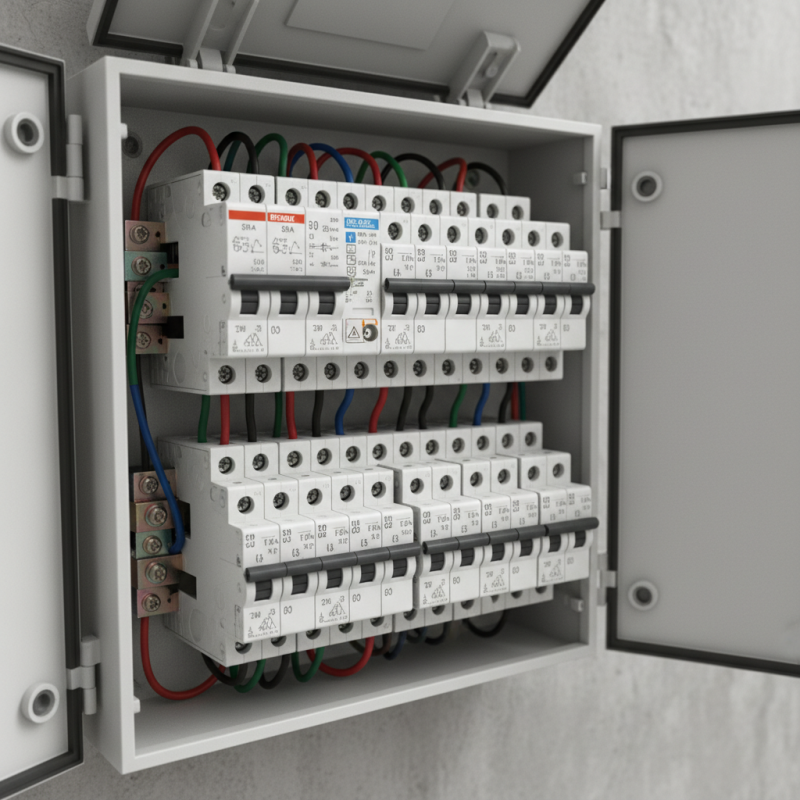
When selecting RCCB parts for your electrical system, understanding the various components is crucial. The Residual Current Circuit Breaker (RCCB) consists of several key parts that perform different functions in ensuring circuit protection. The core components include the differential transformer, trip mechanism, and test button. Each plays an important role in detecting imbalances in electrical current.
The differential transformer is vital. It continuously monitors live and neutral currents. If an imbalance occurs, it quickly triggers the trip mechanism. This action disconnects the circuit, safeguarding against potential electric shocks. According to industry data, RCCBs reduce electrical accidents by up to 80% when properly installed and maintained. The test button ensures that the RCCB functions correctly; regular testing can alert users to potential failures.
Commonly overlooked, the installation environment also matters. Factors like humidity and temperature can affect performance. It’s essential to choose RCCB components rated for specific conditions. Inadequate ratings may lead to unexpected failures. Ignoring such considerations can compromise the safety of the entire electrical system. Before making your selection, ensure thorough investigation and understanding of each component's role and relevance to your specific variables.
Evaluating Compatibility: How RCCB Parts Interact with Other Electrical Devices
When selecting RCCB parts for your electrical system, compatibility with other devices is crucial. RCCBs, or residual current circuit breakers, work by preventing electrical shocks and fire hazards. According to a recent report from the International Electrotechnical Commission, improperly matched parts can increase failure rates by up to 20%. This statistic highlights the importance of thorough evaluation.
Different electrical devices have unique ratings and tolerances. For example, if an RCCB is rated for 30mA sensitivity but paired with devices that operate on 10mA, it may lead to nuisance tripping. This could cause unplanned downtime, affecting productivity. Additionally, electrical noise from devices can interfere with RCCB performance. An investigation by the Electrical Safety Foundation revealed that compatibility issues often arise from these interactions, stressing the need for careful component selection.
Installer experience also plays a role. An experienced technician understands how RCCBs interact with surge protectors and circuit breakers. Ignoring this dynamic can result in poor system integrity. Ongoing education and training are essential for ensuring the optimal performance of electrical systems. Industry data suggests that regular audits can prevent costly failures and improve safety standards.
Importance of Compliance Standards for RCCB Components in Safety Applications
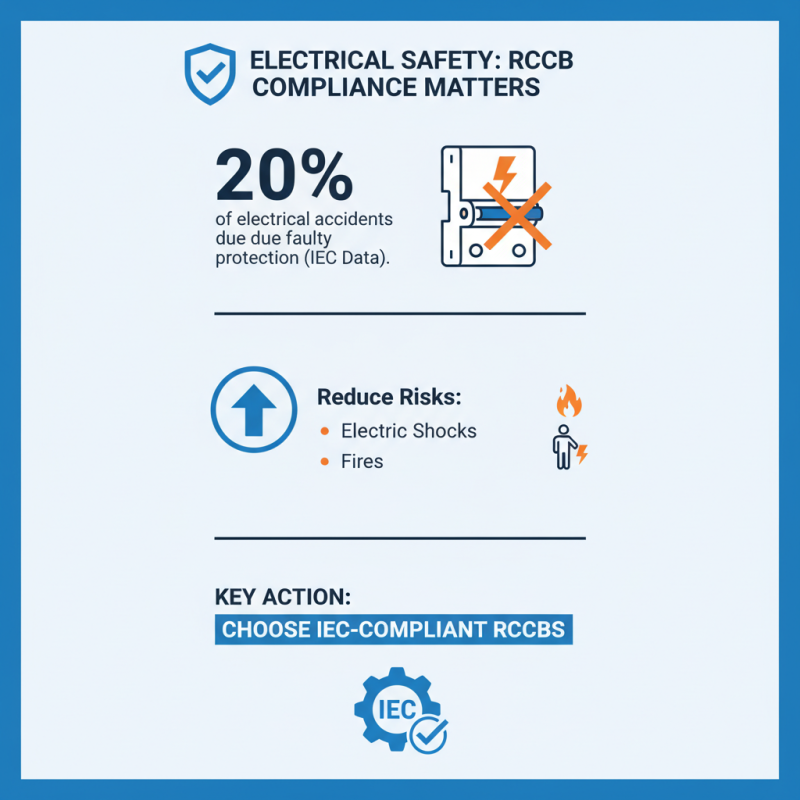
When selecting RCCB components for your electrical system, compliance with safety standards is crucial. According to the International Electrotechnical Commission (IEC), around 20% of electrical accidents result from faulty or outdated protective devices. Ensuring that RCCBs meet these compliance standards can significantly reduce risks related to electrical shocks and fires.
Tip: Always check for certification marks on RCCBs. These indicate adherence to safety regulations.
RCCBs play a vital role in residential and commercial safety applications. They detect earth faults and disconnect the circuit, preventing hazardous situations. A recent report by the National Fire Protection Association highlighted that properly installed RCCBs can decrease electrical fire incidents by up to 60%. However, relying solely on compliance is not enough. Regular testing and maintenance of electrical systems ensure continued protection.
Tip: Schedule periodic inspections for your RCCB components. This aids in early detection of issues and extends the lifespan of your electrical system.
Invest in quality materials that conform to industry standards. Failure to do so may lead to unforeseen challenges. Remember, the efficacy of RCCB components relies heavily on their installation and upkeep. Stay proactive and prioritize safety in your electrical systems.