Top 10 Essential RCCB Parts You Should Know About?
Understanding RCCB parts is crucial for anyone working with electrical systems. Residual Current Circuit Breakers (RCCBs) play a vital role in protecting against electrical shocks and faults. Knowing the essential components of RCCBs can enhance safety and reliability in households and industries.
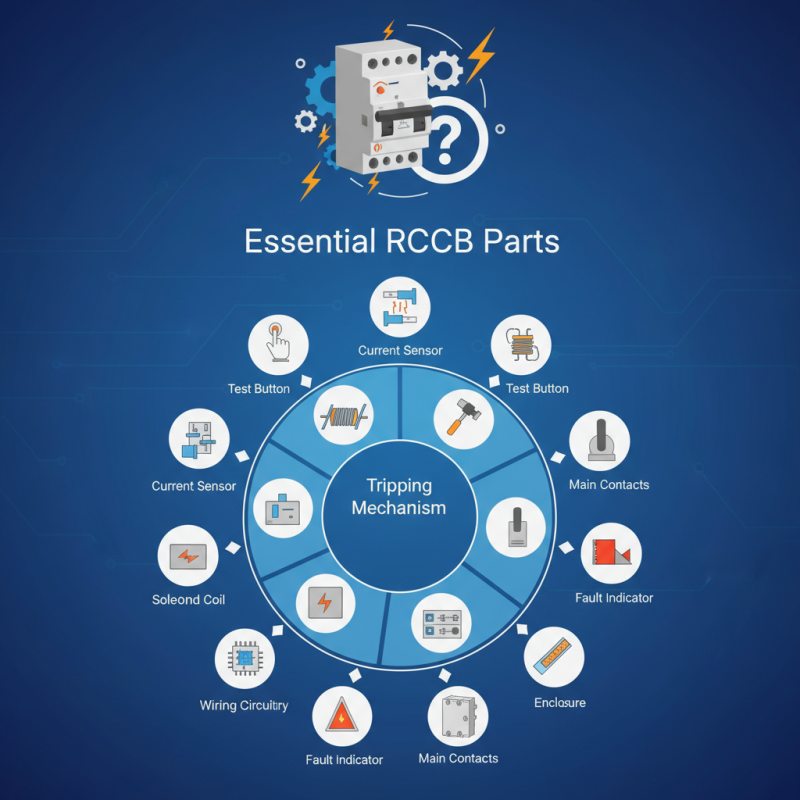
RCCB parts include crucial elements such as test buttons, current sensors, and tripping mechanisms. Each part serves a specific function, contributing to the overall performance of the device. Familiarizing yourself with these components can lead to better maintenance and troubleshooting abilities. However, it’s important to acknowledge that not everyone is aware of these aspects.
While understanding RCCB parts seems straightforward, it can be complex. Many may assume that all RCCBs function the same, which is not true. Regular education on these essential parts is necessary. Empowerment through knowledge can prevent accidents. In the end, grasping the details of RCCB parts is not just beneficial; it’s essential for safety and functionality.
Understanding RCCB and Its Functionality
RCCB, or Residual Current Circuit Breaker, plays a crucial role in electrical safety. Understanding its functionality is vital for both professionals and homeowners. An RCCB detects imbalances in electric current, which can indicate leakage. When it senses these differences, it quickly disconnects the power, preventing electric shocks and potential fires.
The core components of RCCB include the current transformer, testing button, and trip mechanism. The current transformer measures the current flowing through the circuit. When it identifies a leak, it triggers the trip mechanism, cutting off the power supply. The testing button allows users to verify the RCCB's operation. Regular checks ensure Reliable performance.
It's essential to understand that while RCCBs greatly enhance safety, they are not foolproof. Users sometimes overlook the necessity of regular maintenance. Misunderstanding their limitations can lead to accidents. It's crucial to educate oneself on proper installations and usage. Recognizing these details can ultimately mitigate risks in both residential and commercial settings.
Top 10 Essential RCCB Parts You Should Know About
| Part Name |
Function |
Material |
Significance |
| Casing |
Encloses all components |
Plastic |
Protection and durability |
| Electrode |
Detects leakage current |
Copper |
Critical for safety |
| Trip Mechanism |
Disconnects the circuit |
Metal |
Ensures immediate response |
| Test Button |
Tests RCCB functionality |
Plastic |
Regular monitoring |
| Terminal Block |
Connection points for wires |
Metal |
Ensures secure connections |
| Indicator Light |
Shows operational status |
LED |
Visual feedback |
| Shunt Resistor |
Monitors current flow |
Carbon |
Allows accurate measurements |
| Case Lock |
Secures the casing |
Plastic/Metal |
Safety from tampering |
| Surge Protection Device |
Protects from voltage spikes |
Varistor |
Enhances device longevity |
| Wiring Terminal |
Connects to incoming supply |
Copper |
Ensures reliable power input |
Key Components of RCCB: An Overview
Residual Current Circuit Breakers (RCCBs) play a vital role in electrical safety. Their key components ensure protection against electrical shocks and fires. Understanding these parts is essential for both professionals and homeowners.
The core component of an RCCB is the differential transformer. It detects imbalances in current flow. When it senses a discrepancy, it trips the circuit. This rapid response prevents potential hazards in the home environment. Another important part is the circuit breaker mechanism. This ensures that the RCCB can switch off power swiftly. It usually operates automatically but may require manual resetting.
Tips: Regularly test your RCCB once a month. This can ensure it functions correctly. Check the settings to confirm they match your electrical systems.
In addition to these primary components, the RCCB housing protects internal parts. It's often made from durable materials that withstand environmental factors. However, over time, the housing can degrade and may need replacement. This highlights the need for periodic inspections. Industry reports indicate that faulty RCCBs account for a significant percentage of electrical accidents, reinforcing the importance of maintenance.
Importance of the Trip Mechanism in RCCBs
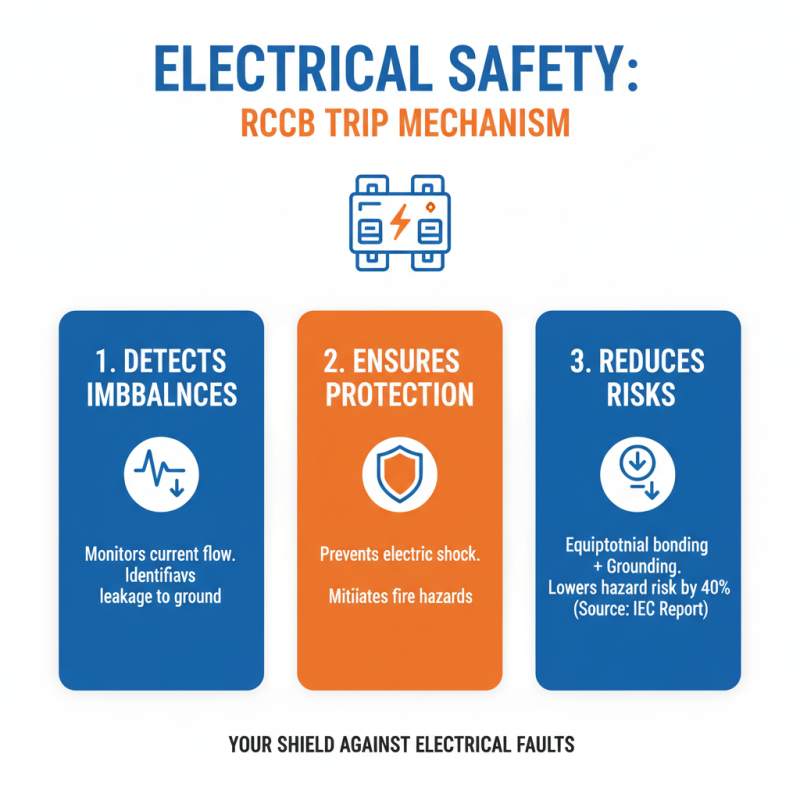
The trip mechanism in Residual Current Circuit Breakers (RCCBs) plays a crucial role in electrical safety. It detects imbalance in electrical currents, such as current leaking to the ground, which is often a sign of faults. According to a report by the International Electrotechnical Commission, equipotential bonding and grounding are essential for reducing hazard risks by 40%.
When a fault occurs, the trip mechanism activates, disconnecting power almost instantly. The rapid response time is critical in preventing electric shocks, which are still responsible for thousands of injuries annually. Some studies suggest approximately 30% of electrical accidents could be avoided with proper RCCB installation. This highlights the importance of understanding the trip mechanism.
However, not all RCCBs function equally. Differences in sensitivity ratings can lead to misoperation or failure to operate when needed. In some cases, calibration issues can create a false sense of security. Regular testing is recommended, as many users neglect this vital step, leading to reliability concerns. Proper knowledge of the trip mechanism can drastically improve safety.
How Current Transformers Enhance RCCB Performance
Current transformers (CTs) play a vital role in enhancing the performance of residual current circuit breakers (RCCBs). These devices monitor the flow of electrical current in circuits. By detecting imbalances, they help in identifying fault conditions that could lead to electric shocks or electrical fires. The precision of current transformers directly impacts the RCCB’s reliability.
In practice, CTs convert high current levels into manageable values for RCCBs. This makes it easier for these devices to assess danger accurately. A proper CT improves the RCCB's response time and sensitivity. However, sometimes, users overlook the importance of installing compatible CTs. This can lead to inaccurate readings and potential safety hazards. The choice of CT size and installation location must be considered carefully.
Moreover, maintenance is often neglected. A dirty or poorly installed CT can cause delayed tripping, allowing dangerous conditions to worsen. Regular inspection ensures that CTs function optimally. Investing time in understanding these components enhances overall electrical safety. This highlights the responsibility of professionals in selecting and installing these critical components. Proper integration of CTs and RCCBs is essential for protecting users and property.
Testing and Maintenance of RCCB Parts for Safety
Regular testing and maintenance of RCCB (Residual Current Circuit Breaker) parts are crucial for electrical safety. These devices protect against electrical shock and fire hazards. A thorough inspection should include visual checks and functional tests. Ensure all connections are secure and components are free from damage or corrosion. This step is often overlooked, which can lead to serious consequences.
Using the test button on RCCBs helps verify functionality. Press the test button; the device should trip immediately. If it doesn't, there may be an underlying issue. Age and wear can affect performance. Periodic testing reveals these problems before they become dangerous. It's advisable to conduct these tests at least once every six months.
Documenting all maintenance activities is essential. Keeping track of when tests were performed helps identify patterns of failure. This practice enhances reliability and promotes a culture of safety. Being proactive can prevent unexpected issues. Reflecting on maintenance practices can lead to improvement and increased safety. Proper knowledge of RCCB components fosters confidence in their performance.