Why Understanding Rccb Parts is Essential for Electrical Safety?
Electrical safety is paramount in our daily lives. One crucial component in ensuring this safety is the understanding of RCCB parts. RCCB, or Residual Current Circuit Breaker, provides protection by detecting earth faults. By recognizing the various parts of an RCCB, users can appreciate its functionality and identify potential issues.
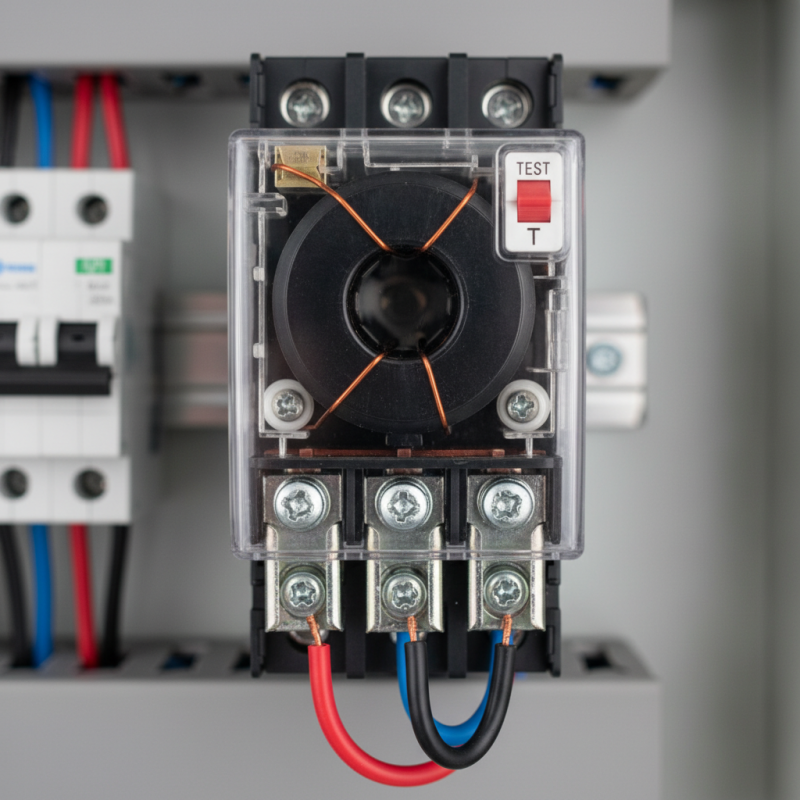
RCCB parts include the core, tester, and terminals. Each part plays a vital role. For instance, the core senses imbalances in current flow. This knowledge enables users to understand how protection technology works in their homes. Awareness of RCCB components can lead to better maintenance practices and informed decisions for replacement.
Yet, many underestimate the importance of these parts. Over time, components can wear down, leading to failure in protection. Neglecting to understand RCCB parts may lead to dangerous situations. Regular inspections and knowledge of how these parts operate can enhance safety. A well-informed user is a safer user.
Overview of RCCB: Definition and Functionality
RCCB stands for Residual Current Circuit Breaker. It plays a vital role in electrical safety. By detecting leakage currents, it prevents electric shocks and electrical fires. Its design is simple, yet effective. An RCCB disconnects power when it senses an imbalance between live and neutral wires. This quick response is crucial in ensuring user safety.
Understanding RCCB functionality is essential. These devices continuously monitor electrical flow. A small change can trigger a trip, cutting off power. Regular testing of RCCBs ensures they are functioning correctly. A defective unit can lead to dangerous situations. Many people overlook this preventive measure.
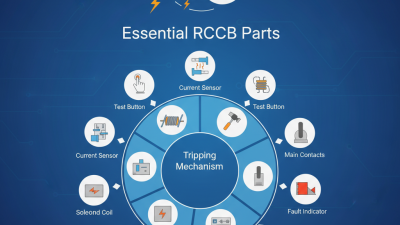
The components of an RCCB include terminals, a tripping mechanism, and a test button. Each part plays a specific role in its functionality. However, users often forget the importance of these parts. Misunderstanding can lead to improper installation or use. Proper awareness can enhance safety in homes and workplaces. Despite its simplicity, the RCCB is crucial for reducing risks associated with electricity.
Why Understanding Rccb Parts is Essential for Electrical Safety?
| Part |
Definition |
Functionality |
Importance |
| Current Sensor |
Detects leakage current |
Triggers disconnection when leakage level exceeds safety threshold |
Prevents electrical shocks and fire hazards |
| Test Button |
Allows manual testing of the RCCB |
Verifies functionality and ensures protection is operational |
Enhances reliability of electrical system safety |
| Trip Mechanism |
Automatically disconnects electrical supply |
Activates upon detection of faults |
Crucial for minimizing injury risks and equipment damage |
| Enclosure |
Protective case for internal components |
Provides insulation and safeguards against environmental factors |
Ensures durability and long-term functionality |
Key Components of RCCB: Understanding Each Part
RCCBs, or Residual Current Circuit Breakers, are vital components for electrical safety. Understanding their parts is crucial for anyone working with electrical systems. Each component plays a specific role in ensuring protection against electrical faults.
The core of an RCCB is its sensing mechanism. This part detects any imbalance in electrical currents. It can respond to earth faults within milliseconds. This rapid response prevents potential electrical shocks. Another essential part is the test button. Regularly testing this button ensures the RCCB is functioning effectively. Neglecting this aspect can lead to unexpected failures during emergencies.
The housing of the RCCB provides insulation and protection. It shields internal components from environmental factors. However, damage to the housing can compromise safety. Regular inspections can help identify wear and tear. Understanding these components allows electricians to maintain reliable systems. Not every RCCB works flawlessly. Challenges can arise from poor installation or faulty parts, leading to lapses in safety. Recognizing these vulnerabilities is essential for ongoing electrical reliability.
Key Components of RCCB and Their Importance for Electrical Safety
How RCCB Enhances Electrical Safety in Households
Understanding how an RCCB (Residual Current Circuit Breaker) enhances electrical safety in households is crucial. An RCCB acts as a safety device that detects earth faults. By monitoring the current flowing through live and neutral wires, it can shut off the power when an imbalance is detected. This quick response can prevent severe electric shocks or fires.
In fact, the Electrical Safety Foundation International (ESFI) states that approximately 300 people die each year from electrocution in the U.S. alone. Furthermore, the National Fire Protection Association (NFPA) reports that electrical failures cause thousands of house fires annually. Implementing RCCBs in homes significantly reduces the risk of these hazards. Studies indicate that homes equipped with these devices are 50% less likely to face electric shock incidents.
Despite their importance, many households remain unprotected. A report from the National Institute for Occupational Safety and Health (NIOSH) reveals that up to 30% of homes lack any form of residual current protection. This gap highlights the need for awareness and education around RCCB installation and maintenance. Regular checks are essential to ensure these devices function correctly, as wear and tear can impact their reliability over time.
Common Issues with RCCBs and Their Impact on Safety
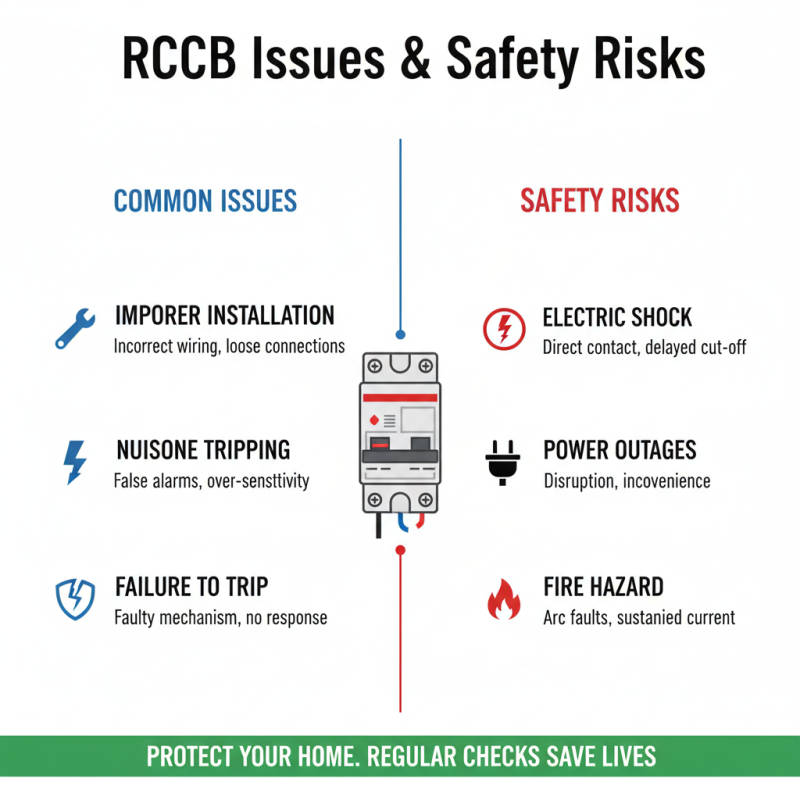
RCCBs, or Residual Current Circuit Breakers, play a critical role in electrical safety. Understanding common issues with RCCBs is essential for preventing electrical accidents. One frequent problem is improper installation. If not correctly wired, RCCBs may fail to detect faults. This can lead to dangerous electrical shocks.
Regular maintenance can help mitigate these issues. Inspect your RCCB periodically to ensure it operates effectively. Look for signs of wear or damage. Test the device monthly by pressing the test button. This simple action can save lives, ensuring your RCCB functions correctly.
Another concern is aging components. Over time, RCCBs may become less responsive. It's vital to replace old units, especially in high-use areas. Don't ignore the recommended lifespan. An unreliable RCCB can leave you vulnerable to electrical hazards. Always consult a qualified electrician for any electrical concerns. A proactive approach is key in ensuring your safety.
Maintenance and Testing of RCCBs for Optimal Performance
Routine maintenance and testing of Residual Current Circuit Breakers (RCCBs) is crucial for ensuring electrical safety. An RCCB works by detecting imbalances in electrical current. Over time, components can deteriorate or become less effective. Regular checks can identify issues before they lead to failures or hazards.
Testing should include simulating earth faults to ensure the device trips as intended. Monthly tests can help catch minor faults. In addition to testing, visual inspections of the wiring and connections are vital. Overheating can be a sign of deeper problems, like loose connections. Neglecting these inspections may lead to severe consequences.
Some may assume only new devices need attention, but older models can be deceptive. They may appear to function properly, yet may not provide adequate protection. It’s essential to follow the manufacturer's recommendations for maintenance frequency. Reflecting on past experiences can help improve procedures. Consider the last time you checked your RCCBs; could it have been done more thoroughly? Regular maintenance isn’t just a best practice; it’s a vital step towards safeguarding lives and property.