Top Acb Parts Guide for Optimal Performance and Maintenance Tips?
In the world of industrial performance, ACB parts play a crucial role. According to a recent industry report from Machinery Maintenance Insights, properly maintained ACB parts can enhance system efficiency by up to 30%. This highlights the need for comprehensive knowledge and regular upkeep in the realm of circuit breakers and industrial power systems.
Despite their importance, many organizations overlook the maintenance of ACB parts. Neglect can lead to significant operational downtimes and costly repairs. Research indicates that nearly 40% of operational failures stem from poor maintenance practices. This statistic underlines the urgency of developing a routine focused on ACB parts’ care, ensuring optimal performance.
Expert insights recommend specific maintenance tips that can prolong the lifespan of ACB parts. Regular inspections and timely replacements are vital. However, many users hesitate to follow these best practices due to resource constraints. A gap remains in bridging the knowledge and application of effective maintenance strategies, highlighting a need for ongoing education in the field.
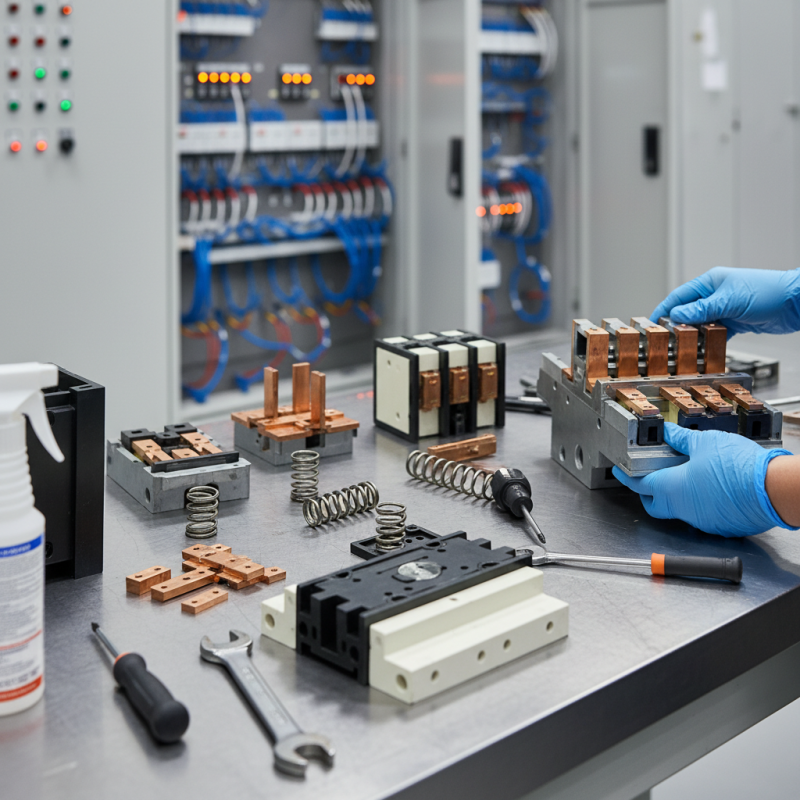
Understanding the Role of ACB Parts in Electrical Systems
Understanding the role of ACB (Air Circuit Breaker) parts is essential in electrical systems. These components ensure safety and operational efficiency. ACBs protect electrical circuits from overloads and short circuits. Their proper functioning keeps equipment safe from damage. Regular maintenance extends their lifespan and prevents unexpected failures.
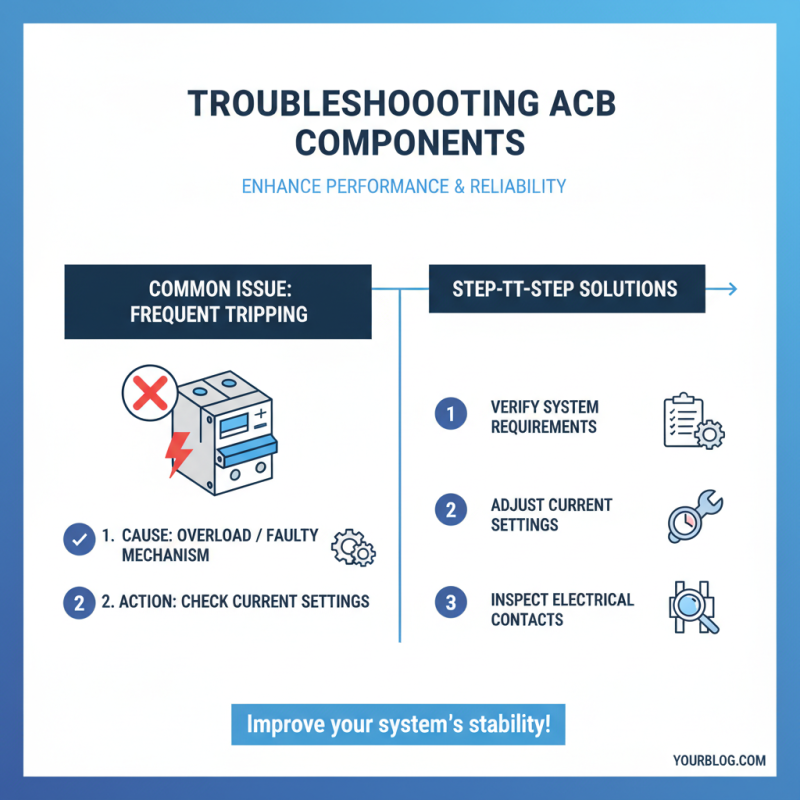
Tips for maintenance: Check the ACB's contact points regularly. Clean them to avoid wear. Inspect the insulation resistance frequently. Low insulation can lead to serious issues. Always monitor the operating temperature. High temperatures can indicate a problem.
Also, be aware of the current rating of ACB components. Using the correct specifications prevents overheating. Document any changes in performance. This helps in identifying trends and future problems. Pay attention to unusual noises during operation. These could signal problems requiring immediate attention. Regularly reviewing your ACB's parts is critical for optimal performance.
Essential Components of ACB: A Comprehensive Overview
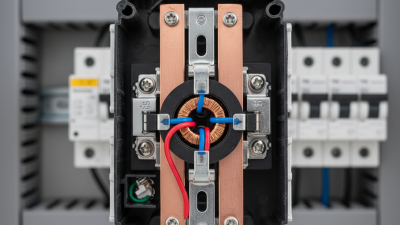
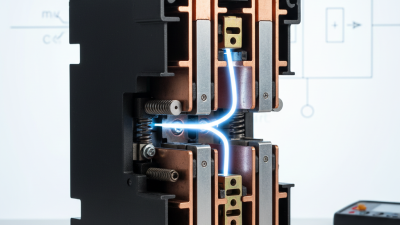
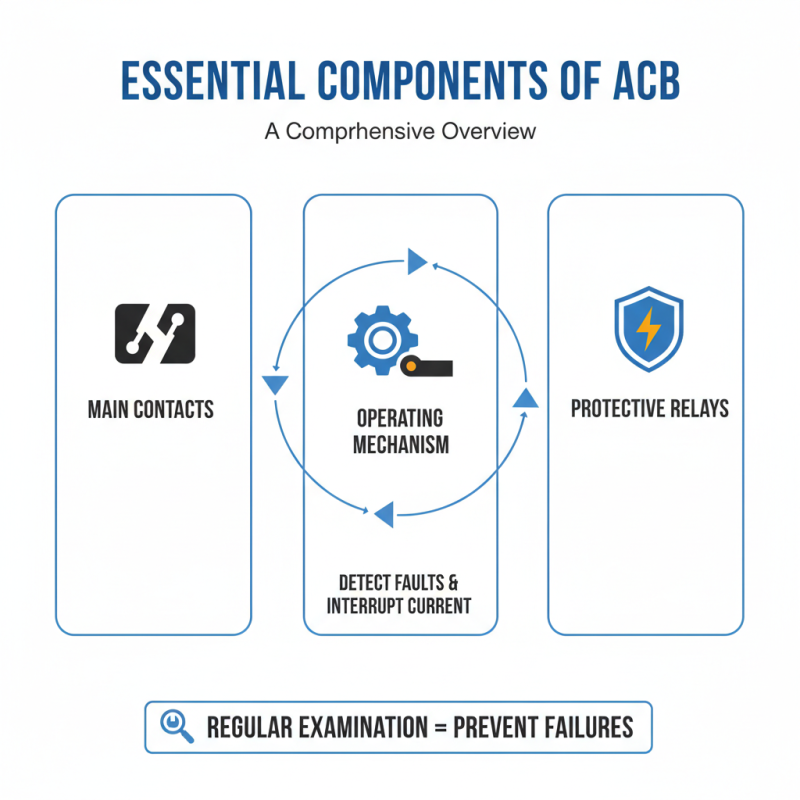
When discussing the essential components of an Air Circuit Breaker (ACB), it's vital to recognize their role in ensuring electric system safety. ACBs are equipped with components like the main contacts, operating mechanism, and protective relays. Each piece works together to detect faults and interrupt the current flow. Regular examination of these elements can prevent costly failures.
The main contacts are crucial for reliable performance. They're responsible for carrying the load current. Over time, these contacts can wear out or accumulate carbon residue. Inspection and maintenance are key. If issues are ignored, outages may occur unexpectedly. Similarly, the operating mechanism needs attention. It ensures the breaker opens and closes efficiently. Any stiffness or lag in operation may indicate that it requires lubricating or adjusting.
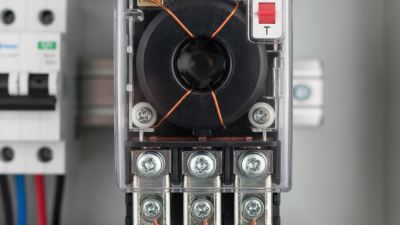
Protective relays play a critical role in detecting anomalies. They provide essential feedback during faults. However, if these relays are not calibrated accurately, they might fail to react appropriately. Regular testing and modifications are paramount. Understanding these essential components helps maintain optimal performance. Periodic checks can ensure high reliability and safety in electric systems.
Maintenance Tips for Maximizing the Lifespan of ACB Parts
Maintaining ACB parts is crucial for longevity. Regular inspections can prevent unexpected failures. Check for signs of wear or damage frequently. Dust and debris can build up, leading to inefficiencies. Clean these parts periodically with appropriate tools. This reduces the chances of overheating and enhances airflow.
Lubrication is often overlooked but essential. Use the correct lubricants to keep moving parts functioning smoothly. Excessive lubricant can attract dirt, so apply it sparingly. Create a maintenance schedule to ensure consistency. It's easy to forget, but regular attention pays off in extended service life.
Monitoring performance is key. If you notice unusual sounds or vibrations, investigate immediately. These can indicate deeper issues. Document any irregularities to track trends over time. This reflection helps in diagnosing problems early, potentially saving significant repair costs later on.
Optimizing Performance: Best Practices for ACB Maintenance
ACBs, or Air Circuit Breakers, are critical components in electrical systems. To achieve optimal performance, maintenance is essential. Research indicates that around 15% of electrical failures occur due to inadequate maintenance. Regular inspections can reduce this risk significantly. Dust and corrosion can accumulate, causing malfunctions. Scheduling inspections every six months is a best practice.
Implementation of thermal imaging technology can help detect heat anomalies. Data shows that approximately 30% of failures stem from overheating. A thermal camera can reveal stress points. Immediate corrective action can prevent catastrophic failures.
Additionally, relying solely on visual inspections might not suffice. It's vital to calibrate and test components regularly. This ensures they operate efficiently under varying load conditions. Industry studies suggest that routine testing can enhance service life by up to 25%. However, many facilities overlook the importance of these practices. This neglect can result in unplanned downtime and expensive repairs.
Top ACB Parts Guide for Optimal Performance and Maintenance Tips
| Part Name |
Function |
Maintenance Frequency |
Common Issues |
| Contactors |
Control the flow of electricity |
Monthly |
Worn contacts, overheating |
| Busbars |
Conduct electricity between components |
Quarterly |
Corrosion, overheating |
| Insulation |
Prevent short circuits |
Annually |
Deterioration, moisture accumulation |
| Coils |
Magnetic field generation |
Biannually |
Burnt coils, short circuits |
| Arc Chamber |
Extinguish electrical arcs |
Annually |
Wear, carbon buildup |