Why Are Rccb Parts Essential for Electrical Safety?
In today’s increasingly complex electrical systems, safety is paramount. Rccb parts, or Residual Current Circuit Breaker components, play a crucial role in ensuring user protection. According to the National Fire Protection Association (NFPA), electrical faults contribute to nearly 20% of all residential fires. This alarming statistic underscores the importance of incorporating Rccb parts into electrical safety protocols.
Rccb parts work by detecting current leakages, which are often caused by insulation failure or faulty appliances. Industry reports indicate that the effective use of Rcbbs can reduce electrical shock incidents by up to 90%. This significant reduction highlights their importance in both residential and commercial settings. Manufacturers are now focusing on improving the reliability and efficiency of these components.
However, not all installations of Rccb parts meet safety standards. Outdated systems may lack proper grounding or insufficient current ratings, which can compromise their effectiveness. Regular maintenance is essential to ensure that Rccb parts function correctly. Ignoring these needs can lead to serious safety hazards. Continuous education on electrical safety practices, including the correct use of Rccb parts, remains critical for preventing accidents.
Understanding Rccb Components and Their Functionality
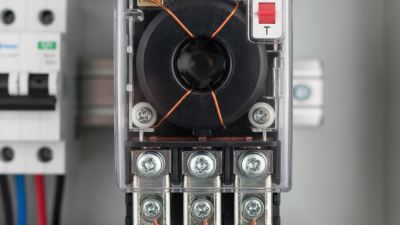
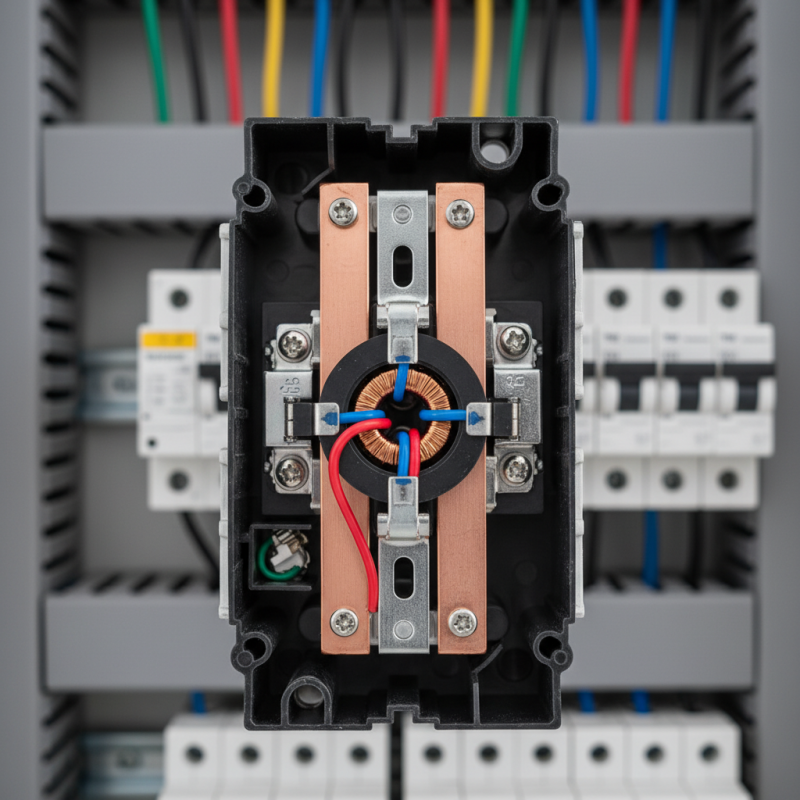
Residual Current Circuit Breakers (RCCBs) play a crucial role in ensuring electrical safety. Understanding their components helps homeowners and electricians ensure protection against electrical faults. The main parts of an RCCB include the core balance transformer, the trip mechanism, and the reset button. Each component works together to detect earth faults and shut down the circuit when necessary.
The core balance transformer monitors the current flow. If it detects an imbalance, it signals the trip mechanism. This mechanism is responsible for activating the switch, cutting off the electric supply. The reset button allows users to restore power safely after addressing any issues. Regular inspections of these parts are vital. They can wear out over time, compromising safety.
Tips: Check your RCCB monthly. Listen for clicks or signs of wear. If unsure, consult a professional for advice. Ensuring these components function well can prevent serious accidents. Remember, neglecting electrical safety can lead to devastating consequences. Always prioritize checking your electrical devices regularly and be proactive in protecting your home.
Importance of RCCB Components for Electrical Safety
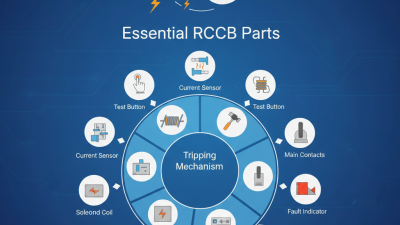
RCCBs (Residual Current Circuit Breakers) play a crucial role in ensuring electrical safety by preventing electric shocks and electrical fires. This chart illustrates the various types of RCCB components, highlighting their trip current, response time, and typical applications. Understanding these components helps in selecting the right RCCB for specific electrical requirements.
The Role of Rccb in Preventing Electrical Hazards
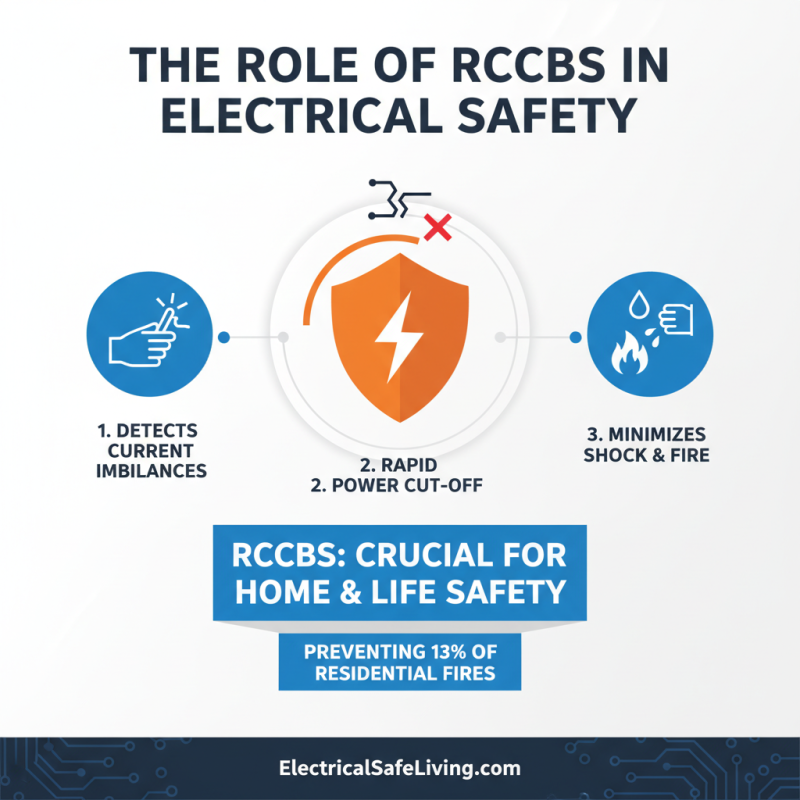
RCCB (Residual Current Circuit Breaker) devices play a crucial role in electrical safety. These components detect imbalances in electrical currents. If a fault occurs, such as a short circuit or insulation failure, RCCBs can trip and cut power quickly. This rapid response minimizes the risk of electrical shock and potential fires. Reports show that electrical faults contribute to around 13% of residential fires, emphasizing the need for effective protective devices.
The installation of RCCBs is often a legal requirement in many regions. Their usage helps protect both human life and property. In industrial settings, up to 90% of electrical accidents might be avoided with proper RCCB usage. However, not all installations are perfect. Misconfigurations or neglect can lead to failure. Regular testing and maintenance are essential for ensuring these devices work correctly.
Users often overlook that RCCBs do not protect against overloads or short circuits alone. They need to be complemented with fuse systems for comprehensive safety. Inadequate understanding of their function can leave systems vulnerable. The integration of RCCBs into safety protocols must be a priority for all electrical installations to reduce risks and enhance safety in our environments.
Key Features of Rccb Parts for Enhanced Safety
RCCB parts are crucial for enhancing electrical safety. These devices detect imbalance between live and neutral wires. When they sense a fault, they trip the circuit promptly. This protects against electric shocks and reduces fire hazards. The rapid response of RCCB parts can save lives.
Key features of RCCB parts include their sensitivity ratings. Devices are available in various sensitivities, typically 30mA for personal protection. The design allows for easy installation and maintenance. Some units come with test buttons for regular functionality checks. This feature ensures that the device operates correctly, maintaining trust in its reliability.
RCCBs also offer features like clear indicator lights. These lights show the operational status and any faults. Users can quickly identify issues without delving deep into complex electrical systems. However, it's important to note that regular inspections are necessary. Even the best devices can malfunction over time. This highlights the need for awareness and periodic testing to ensure ongoing safety.
Installation and Maintenance Best Practices for Rccb Devices
RCCB devices are vital for protecting against electrical shocks. Proper installation and maintenance are crucial for their effective performance. Regular inspections help ensure these devices operate correctly, reducing the risk of failure. According to industry reports, improper installation accounts for over 30% of RCCB malfunctions.
When installing an RCCB, ensure it is suitable for the specific application. This includes checking voltage ratings and current capacity. Wiring should be done carefully, following local electrical codes. All connections must be secure to prevent arcing and overheating. Regular testing of RCCB functionality is recommended every six months. This simple step can prevent dangerous situations.
Maintenance goes beyond simple checks. Dust and moisture can hinder performance. Keeping the device clean is essential. Moreover, ensure all labeling is clear and visible. This clarity ensures quick identification during emergencies. Reports highlight that missing or faded labels delay response times in critical situations. Regularly updating these details can enhance overall safety.
Comparative Analysis of Rccb and Other Safety Devices
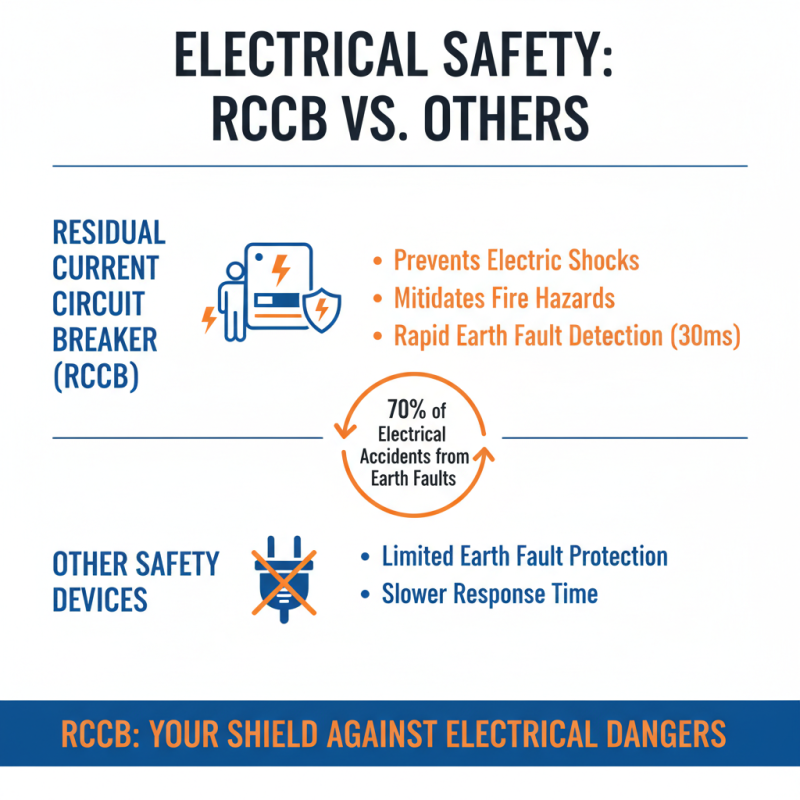
RCCB, or Residual Current Circuit Breaker, plays a critical role in electrical safety. Compared to other safety devices, RCCBs excel in preventing electrical shocks and fire hazards. According to industry reports, about 70% of electrical accidents occur due to earth faults. RCCBs detect these faults promptly, disconnecting the power supply within 30 milliseconds. This rapid response can be lifesaving.
When compared to fuses or circuit breakers, RCCBs offer unique advantages. Fuses can only be replaced after they blow, while RCCBs reset quickly. Circuit breakers protect against overload but may not detect ground faults. RCCBs fill this gap effectively. They safeguard not only homes but also commercial establishments. A recent survey shows that installing RCCBs reduces electrical accidents by over 50%.
**Tip:** Regularly check and test your RCCB every six months. Ensure it functions properly to maintain safety.
Many users overlook the importance of these devices in older buildings. Aging electrical systems may lack proper protection. It's essential to update and reinforce safety protocols. Awareness of the limitations of circuit breakers and fuses is vital, as they can’t replace the specific function of RCCBs. Ensure you are informed about your electrical systems.