Understanding the mechanics of the MCCB arc chamber is crucial for anyone involved in electrical engineering and maintenance. This component plays a vital role in ensuring circuit breakers operate safely and efficiently. With insights into its function, one can better appreciate the complexities involved in electrical protection.
The MCCB arc chamber extinguishes arcs generated during circuit interruptions. Its design influences performance, making comprehension essential for professionals. However, many overlook the chamber's intricacies. That can lead to misapplications and safety risks. Engaging with this topic requires not just theoretical knowledge but practical experience in real-world scenarios.
Through this exploration, we will delve into ten essential tips that clarify the workings of the MCCB arc chamber. By doing so, you can enhance your understanding and improve operational reliability. Grasping these details fosters better maintenance practices and ensures that safety standards are upheld. Let's unfold the mechanics and refine our expertise in this critical area.
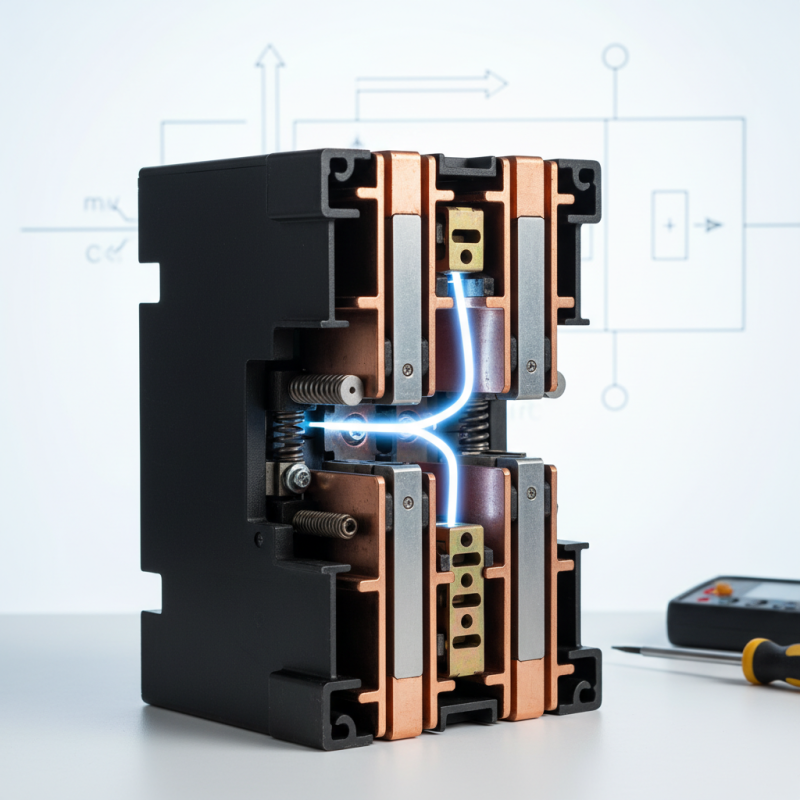
Molded Case Circuit Breakers (MCCBs) play a crucial role in electrical protection systems. Often underestimated, their intricate mechanics safeguard electrical circuits from overloads and short circuits. The arc chamber within an MCCB is essential for safely extinguishing the arc generated during circuit interruption. Understanding this chamber's function helps in optimizing protective measures.
In an MCCB, when a fault occurs, the current initiates an arc between contacts. This arc generates heat, potentially damaging the circuit. The arc chamber cools and extinguishes the arc, preventing damage. It's fascinating how the design allows efficient cooling. However, not all MCCBs handle high fault currents effectively. Some users overlook this feature and face challenges during high-load operations.
Proper installation and maintenance of MCCBs are vital. Regular checks ensure the integrity of the arc chamber components. Dust and debris can affect performance, leading to unexpected failures. Additionally, choosing the right MCCB for specific applications is complex. Many factors, such as voltage rating and thermal performance, demand careful consideration. A deeper understanding of these aspects can significantly improve system reliability.
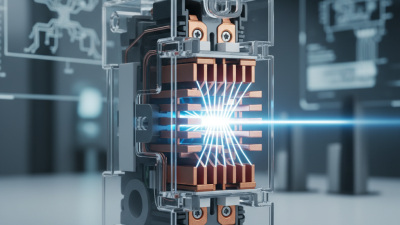
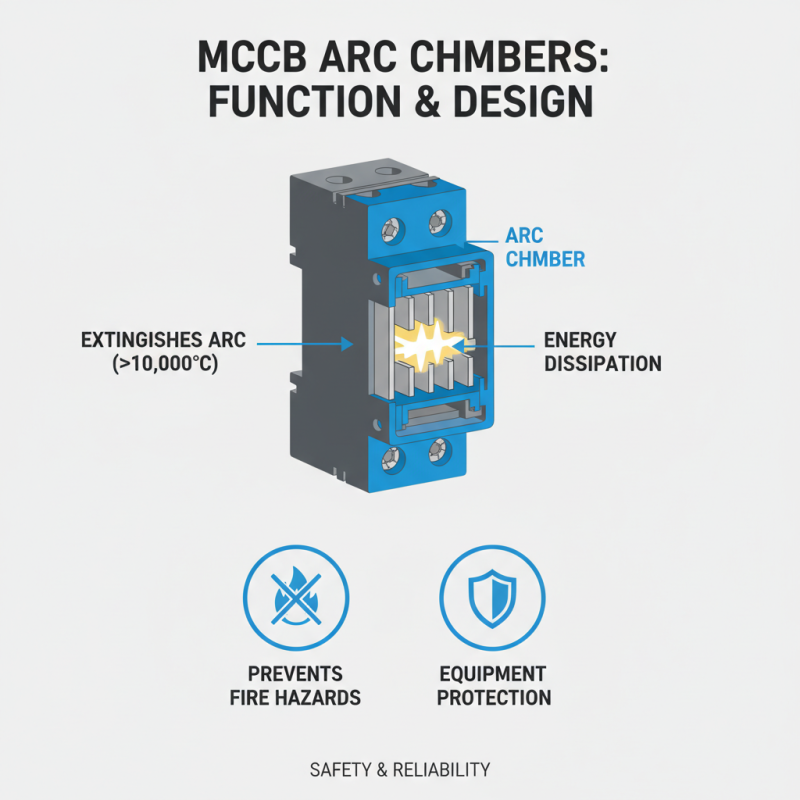
Arc chambers play a critical role in the functionality of Molded Case Circuit Breakers (MCCBs). Their primary purpose is to extinguish the arc created when the circuit breaker trips. During high fault currents, the arc can reach temperatures exceeding 10,000 degrees Celsius, making the design and function of arc chambers crucial for safety and reliability. A well-designed arc chamber ensures efficient energy dissipation, minimizing the risk of equipment damage and fire hazards.
Consider the physical design aspects. The shape and materials used in an arc chamber affect its performance. Materials must withstand high temperatures and pressures, often utilizing copper or aluminum alloys. The chamber's geometry can also influence how the arc is confined and cooled. For optimal performance, design engineers often rely on Computational Fluid Dynamics (CFD) simulations, ensuring that air flow and temperature distribution are effectively managed.
Tip: Regular maintenance can enhance the lifespan of MCCB arc chambers. Checking for wear and tear can prevent issues down the line. Also, ensure that the arc chamber is clean from dust and contaminants to maintain its efficiency. A reliable arc chamber contributes to the overall reliability of electrical systems, reducing unexpected failures and enhancing safety. Regularly educating staff about these mechanics can improve operational understanding and maintenance practices, ensuring a safer workplace environment.
Understanding the mechanics of the MCCB arc chamber is crucial for effective circuit protection. Arc quenching relies heavily on specific mechanisms within the chamber. When a short circuit occurs, the system must rapidly extinguish the arc generated between the contacts. The design of the arc chamber plays a pivotal role in this process.
A key mechanism is the use of split contacts. These contacts create multiple points for the arc to jump, effectively lengthening it. As the arc is stretched, it cools and eventually goes out. Another element is magnetic blowout. This technique uses magnetic fields to pull the arc away from the contacts, accelerating the quenching process. The careful arrangement of these components indicates the importance of design in functionality.
Maintenance is crucial for reliability. Regular inspections can reveal wear or debris in the chamber. Ensure the surfaces are clean and contacts are intact. Over time, components can degrade. Misalignment of parts can also hinder performance, making it essential for technicians to assess assembly during maintenance. Taking these steps can significantly enhance operational safety and efficiency.
The performance of an MCCB's arc chamber is pivotal in ensuring electrical safety and efficiency. Several factors significantly influence this performance. The design of the arc chamber itself, including its size and configuration, dictates how effectively it can quench the arc during a fault condition. A well-designed chamber will optimize the cooling of the arc, leading to improved reliability and longer lifespan.
Material choice also plays a critical role. High-conductivity materials can help reduce the heat generated during an arc event. This allows for faster interruption of the current, which is essential for protecting both equipment and personnel. According to industry reports, effective material selection can improve arc chamber lifespan by up to 30%.
Tip: Regular maintenance checks can help identify wear and tear. This ensures the arc chamber operates optimally and prolongs its life. Additionally, understanding the ambient conditions, such as temperature and humidity, can further enhance the chamber's performance.
Another factor to consider is the electromagnetic force generated during the arc. This force can impact the containment of the arc within the chamber, affecting its ability to extinguish the arc quickly. Reports indicate that a slight increase in these forces can lead to a rise in failure rates. Operators should be aware of these variables to mitigate risks effectively.
Tip: Analyze the operational environment regularly. An adaptation to changing conditions can enhance the arc chamber's effectiveness. Understanding these nuances is essential for maintaining electrical system integrity.
| Tip Number | Tip Description | Impact on Arc Chamber | Best Practices |
|---|---|---|---|
| 1 | Understand the arc extinction principle. | Essential for effective circuit interruption. | Study arc quenching methods. |
| 2 | Analyze the materials used in the arc chamber. | Influences thermal performance and longevity. | Select high-quality material for construction. |
| 3 | Evaluate the geometry of the arc chamber. | Affects arc path and extinction time. | Optimize design for maximum efficiency. |
| 4 | Consider environmental conditions. | Impacts insulation and performance. | Ensure proper installation considering local conditions. |
| 5 | Monitor maintenance schedules. | Good maintenance prevents performance issues. | Develop a regular inspection checklist. |
| 6 | Understand the impact of current ratings. | Determines the capacity to handle fault conditions. | Choose appropriate ratings for expected loads. |
| 7 | Learn about arc chamber size variations. | Influences energy dissipation during an arc. | Assess needs based on application specifics. |
| 8 | Review testing standards for arc chambers. | Ensures reliability and safety. | Follow IEC and local standards. |
| 9 | Evaluate the role of insulation materials. | Critical for arc prevention and chamber integrity. | Use advanced insulation for superior performance. |
| 10 | Engage in ongoing training on MCCB technology. | Promotes improved effectiveness and readiness. | Participate in workshops and seminars regularly. |
Maintaining the arc chamber of a Molded Case Circuit Breaker (MCCB) is essential. Effective maintenance ensures reliability and safety. Regular inspections can prevent issues before they arise. A clean environment around the MCCB is crucial. Dust and debris can hinder performance.
One tip is to check the contacts regularly. Worn or pitted contacts can lead to poor performance. Replace them if necessary. Additionally, keep an eye on the insulation. Cracked or deteriorated insulation can pose safety risks. Monitor temperature levels during operation. Excessive heat can indicate underlying problems.
Furthermore, perform thorough cleaning of the arc chamber. Use soft brushes to avoid damage. Periodically test the trip mechanisms. This helps in identifying malfunctions early. Don’t overlook the importance of torque settings on connections. Loose connections can cause arcing. Regular maintenance aids in identifying these flaws. It’s better to act before a failure occurs than to deal with the aftermath.
This bar chart illustrates the performance metrics of different maintenance practices for optimal MCCB arc chamber operation. The data reflects the efficiency ratings based on a scale of 1 to 10, where 10 represents optimal performance.