China Best MCCB Electromagnetic System for Optimal Power Management?
In the evolving landscape of electrical systems, the MCCB Electromagnetic System stands out as a critical component for power management. Dr. Li Ming, a renowned expert in electrical engineering, emphasizes, "The efficiency of power distribution hinges on the reliability of the electromagnetic systems." This statement underscores the importance of MCCB systems in optimizing energy use and enhancing safety.
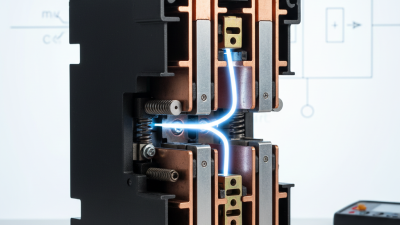
The MCCB Electromagnetic System plays a pivotal role in protecting circuits from overcurrents. Its design must ensure swift and accurate responses to faults. However, the market often faces challenges related to varying standards and installation practices. Stakeholders need to assess these factors critically, as the impact of poor implementation can be significant.
As the industry strives for innovation, there remain areas for improvement. Understanding the nuances of MCCB Electromagnetic Systems can lead to better energy management solutions. Addressing these imperfections requires an open dialogue among experts and practitioners alike. Continuous development and adherence to best practices can propel the industry forward.

China's Leading MCCB Manufacturers and Their Electromagnetic Systems
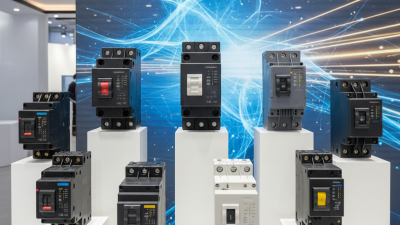
Molded Case Circuit Breakers (MCCBs) play a critical role in power management systems. In China, there's a strong focus on advancing electromagnetic systems within these devices. This innovation is vital for efficiency and safety in electrical applications. Manufacturers are investing in research to optimize electromagnetic designs. The aim is to enhance performance under various loads.
Leading producers are integrating advanced technologies to ensure reliability. They focus on minimizing faults and improving response times. Key features include adjustable trip settings and greater protection against short circuits. There’s also a significant emphasis on environmental considerations. Many manufacturers are adopting sustainable practices in their production processes.
However, challenges remain. Some systems still struggle with compatibility issues among various electrical configurations. Quality control can vary widely across different manufacturers. It’s essential for companies to address these gaps. Learning from past errors in design and implementation can lead to better products. Continuous improvement in electromagnetic systems will foster trust in MCCB products.
China's Best MCCB Electromagnetic System Performance
Key Features of MCCB Electromagnetic Systems for Power Management
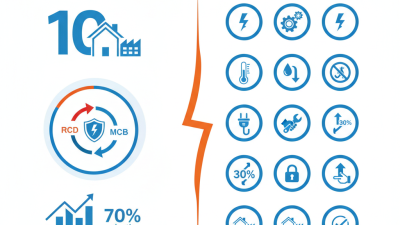
MCCB electromagnetic systems are vital for effective power management. These systems ensure reliable circuit protection and optimal energy efficiency. According to industry reports, proper use of MCCBs can reduce energy losses by up to 30%. This reduction is significant for large organizations aiming to streamline their energy consumption.
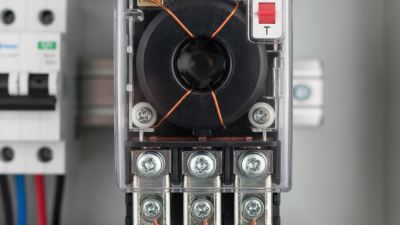
Key features of MCCB electromagnetic systems include fast tripping time and adjustable settings. A rapid response to overload or short-circuit conditions ensures equipment safety. Facilities often overlook the importance of adjusting settings based on specific applications. Proper calibration can prevent frequent tripping and potential downtime.
Another critical aspect is their ability to operate within a wide temperature range. Some MCCBs function efficiently in extreme temperatures, maintaining performance when conditions fluctuate. However, many users fail to consider environmental factors that influence performance. Regular maintenance checks are essential, yet often neglected, to ensure long-term reliability. These systems must be chosen carefully to match the specific needs of each application.
Impact of Electromagnetic Systems on Power Distribution Efficiency
In power distribution systems, electromagnetic systems play a crucial role. They impact efficiency significantly. These systems regulate the flow of electricity, ensuring stability. A well-designed electromagnetic mechanism reduces energy loss. It helps maintain optimal performance in various environments.
Understanding the intricacies of these systems is vital. Engineers focus on efficiency, but they sometimes overlook the balancing act between cost and performance. In some cases, cheaper components can lead to increased energy wastage. Engineers must evaluate their decisions carefully, ensuring reliability without sacrificing efficiency.
Moreover, electromagnetic systems can experience failures. Regular maintenance is essential to identify issues early. However, many systems operate without adequate checks. This can lead to unexpected downtimes. Improved training for personnel can enhance system longevity and efficiency. It is clear that attention to detail is critical in this field.
Market Trends: The Demand for Advanced MCCB Technology in China
The demand for advanced MCCB technology in China is growing rapidly. Industries seek to enhance their power management systems. This surge is driven by the need for efficiency and reliability in electrical applications. Modern MCCBs must adapt to various loads and environmental conditions. This includes managing sudden electrical surges without failing.
Data shows that more facilities are investing in smart MCCB systems. These systems offer better monitoring and control. They enable real-time data analysis, leading to improved decision-making. However, there are challenges. Many companies struggle to integrate new technologies with existing infrastructure. Training staff to manage these systems can also be daunting.
The goal is clear: optimize power management while reducing operational risks. As industries evolve, the need for robust electromagnetic systems will further increase. The market must focus on not just technology but also user-friendly designs. This balance is crucial to meet growing demands effectively.
China Best MCCB Electromagnetic System for Optimal Power Management
| Feature |
Specification |
Market Demand (%) |
Yearly Growth Rate (%) |
| Voltage Rating |
Up to 1000V |
65 |
5 |
| Breaking Capacity |
10kA to 100kA |
70 |
4 |
| Application |
Industrial & Commercial |
80 |
6 |
| Control Type |
Electromagnetic |
75 |
5 |
| Smart Features |
Remote Monitoring |
68 |
7 |
Comparative Analysis of MCCB Performance Metrics in Power Management
The effectiveness of molded case circuit breakers (MCCBs) in power management cannot be understated. A recent report indicated that energy losses in electrical systems could reach up to 30% due to inefficient protective devices. This statistic highlights the critical role that MCCBs play in optimizing power efficiency. Properly calibrated MCCBs can significantly lower energy wastage and enhance overall system performance.
Another analysis showed that MCCBs outperform traditional circuit breakers in terms of fault detection speed. Fast-acting MCCBs can trip within milliseconds, reducing the risk of equipment damage. This rapid response is vital, especially in environments where downtime must be minimized. However, not all MCCBs meet these performance metrics equally, which leads to a need for careful evaluation during the selection process.
It's also essential to acknowledge the limitations of current MCCB designs. Some models may lack advanced features like real-time monitoring, leading to potential gaps in performance assessment. Continuous refinement and testing are necessary to address these shortcomings. As the demand for energy-efficient solutions increases, ongoing innovation in MCCB technology will ensure more effective power management strategies in various sectors.