How to Choose the Best Circuit Breaker for Your Needs?
Choosing the right Circuit Breaker can significantly impact safety and efficiency in electrical systems. The global circuit breaker market is projected to reach $10 billion by 2026, reflecting the growing demand for reliable electrical solutions. According to industry expert John Smith, "Selecting the appropriate Circuit Breaker is not just about compliance; it’s about ensuring safety and efficiency."
Understanding the nuances of different Circuit Breakers can seem overwhelming. Factors like amperage ratings, installation types, and specific applications all play a critical role. Your choice should not be a mere checklist process; it needs careful consideration. Although some may opt for lower-cost options, they may overlook long-term benefits and reliability.
The right Circuit Breaker can prevent failures and reduce hazards. Yet, many users underestimate the complexities involved. In a rapidly evolving industry, continuous learning and adaptation remain essential. Choices made today can have lasting impacts on safety and performance. Reflecting on personal needs and industry advancements is crucial for making an informed decision.
Understanding the Functionality of Circuit Breakers
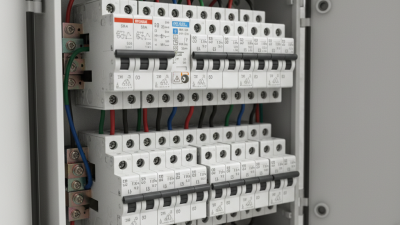
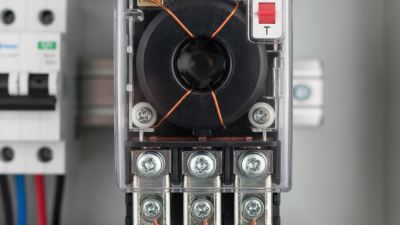
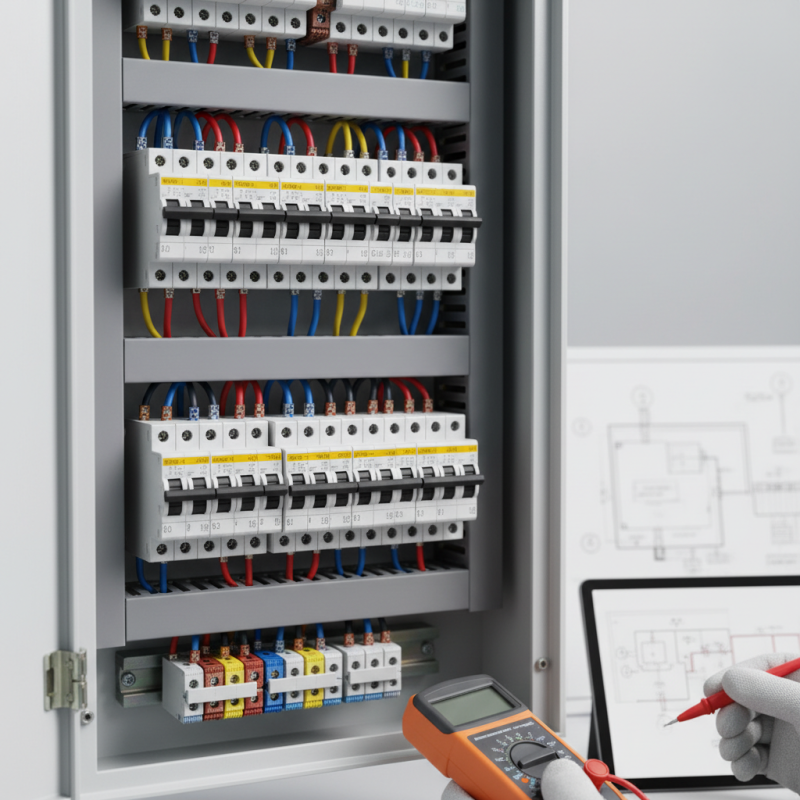
Circuit breakers are essential components in electrical systems, providing safety and protection for both residential and commercial applications. Understanding how they function is crucial in selecting the right breaker for specific needs. According to the National Electrical Manufacturers Association (NEMA), circuit breakers are designed to automatically interrupt electrical flow when a fault occurs, preventing potential hazards. They work by using an electromechanical mechanism that detects overcurrent conditions, which can lead to overheating and fire hazards.
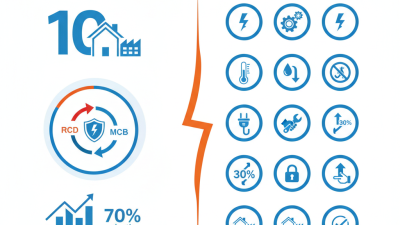
When choosing a circuit breaker, it's important to consider its ratings. A report from the Institute of Electrical and Electronics Engineers (IEEE) emphasizes that proper ratings affect performance and safety. Over 70% of electrical failures stem from incorrect breaker sizing. An overloaded circuit can trip a breaker, causing inconvenient interruptions. However, an undersized breaker may not trip, leaving systems vulnerable to damage. This inconsistency underscores the need for meticulous evaluation of load requirements and environmental conditions.
Another aspect to consider is the breaker type—thermal magnetic or electronic. Thermal magnetic breakers are more common, suitable for basic applications. Conversely, electronic breakers offer advanced features, such as adjustable settings. The National Fire Protection Association (NFPA) notes that integrating newer technology can enhance safety. However, the complexity of these devices may require specialized knowledge for effective installation. Hence, engaging with a qualified electrician may help mitigate risks and ensure proper functionality.
Types of Circuit Breakers and Their Applications
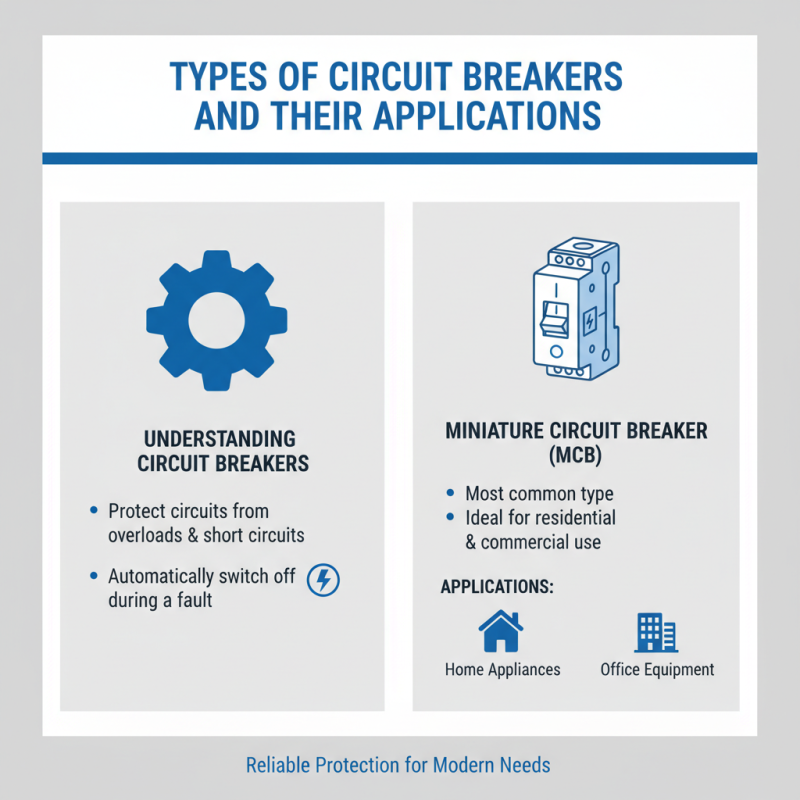
When selecting a circuit breaker, understanding types and their applications is crucial. The most common type is the mini circuit breaker (MCB). MCBs protect circuits from overloads and short circuits. They automatically switch off when a fault occurs. MCBs are ideal for residential and commercial use. They provide reliable protection for home appliances and office equipment.
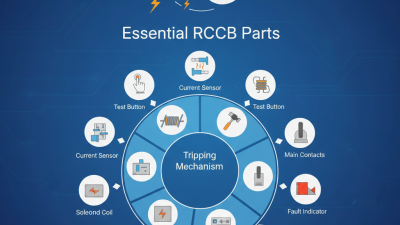
Another important type is the residual current circuit breaker (RCCB), which guards against electric shock. RCCBs detect imbalances in current flow. They disconnect the circuit when leakage is detected. This type is essential for wet areas, such as bathrooms or kitchens. They can save lives by preventing electric shocks.
Lastly, air circuit breakers (ACBs) are designed for high capacity circuits. They handle larger electrical loads and are often used in industrial settings. ACBs can protect against both overcurrent and short circuits. However, they may require more space and maintenance. Each type serves distinct purposes. Taking time to evaluate your needs is vital for effective circuit protection.
Key Factors to Consider When Choosing a Circuit Breaker
When selecting a circuit breaker, there are several key factors to consider. For instance, understanding the load requirements is crucial. The National Electrical Code (NEC) suggests matching the circuit breaker size to the specific amperage of the load to avoid overloads. A 20-amp circuit breaker should ideally handle devices that require up to 16 amps. This helps prevent tripping and ensures optimal performance.
Another essential factor is the type of circuit breaker. There are two main categories: standard and GFCI (Ground Fault Circuit Interrupter) breakers. A report from the Institute of Electrical and Electronics Engineers (IEEE) indicates that GFCI breakers are vital for wet locations to protect against electrical shock. They can reduce risks significantly by interrupting the circuit when a fault occurs.
Additionally, the environment plays a role in your choice. For example, locations prone to humidity or dust may require additional protection. Choosing a circuit breaker with environmental ratings, like NEMA Type 3R, is essential in such areas. A study by the Electrical Safety Foundation International highlights that improperly rated breakers can lead to system failures, potentially causing expensive damages. Ensuring compatibility with your specific needs enhances reliability and performance.
How to Choose the Best Circuit Breaker for Your Needs?
This chart illustrates the most important factors to consider when choosing a circuit breaker, based on user preferences. The data represents typical ratings for common attributes that may influence your decision.
Assessing Electrical Load Requirements for Your Circuit Breaker
When selecting a circuit breaker, assessing electrical load requirements is crucial. Each household or facility has unique power needs. You must identify which appliances and devices you will power. This step helps ensure safety and efficiency.
Begin by calculating the total wattage of all devices on the circuit. Appliances vary widely in power usage. For instance, a refrigerator may consume around 600-800 watts, while a microwave can use 1000 watts or more. Make a list of items. Tally their wattages to determine your circuit's total load.
Consider the voltage of your system. Standard residential voltage is typically 120 volts, but some circuits may use 240 volts. Remember to account for peak usage times. Overloading a circuit can lead to breaker trips or even fires. Reflect on your usage patterns. Will you run multiple appliances at once? Over time, adjusting your assessment may be necessary as your needs change.
How to Choose the Best Circuit Breaker for Your Needs? - Assessing Electrical Load Requirements for Your Circuit Breaker
| Circuit Breaker Type |
Amperage Rating (A) |
Voltage Rating (V) |
Max Load (kW) |
Common Uses |
| Standard Circuit Breaker |
15-20 A |
120/240 V |
2.4-4.8 kW |
Lighting, Outlets |
| Two-Pole Circuit Breaker |
30 A |
240 V |
6-7.2 kW |
Large Appliances, HVAC |
| Ground Fault Circuit Interrupter (GFCI) |
15-20 A |
120 V |
1.8-2.4 kW |
Wet Areas, Kitchens, Bathrooms |
| Arc Fault Circuit Interrupter (AFCI) |
15-20 A |
120 V |
1.8-2.4 kW |
Living Areas, Bedrooms |
| Miniature Circuit Breaker (MCB) |
6-32 A |
230 V |
1.4-7.4 kW |
Residential and Light Commercial Use |
Installation and Maintenance Tips for Circuit Breakers
When you think about circuit breakers, installation and maintenance are crucial. Proper installation ensures safety and functionality. Always turn off power before you start. Use insulated tools to avoid shocks. Ensure that the breaker matches your electrical requirements. Oversized breakers can be dangerous, while undersized ones may trip frequently.
Maintaining your circuit breaker is essential for longevity and performance. Regularly inspect your breakers for signs of wear. Look for rust, discoloration, or loose connections. These can indicate underlying issues. If a breaker trips frequently, it might need replacing or could signal a more serious problem in your electrical system.
Tips: Always keep a log of maintenance activities. Document any issues and resolutions. This can help in identifying patterns and preventing future problems. If you are unsure about any aspect of maintenance, consult a professional for assistance. Their expertise can save you time and potential hazards.