What is an MCCB Arc Chute and How Does it Function?
The MCCB Arc Chute is a crucial component in modern electrical systems. It plays a vital role in ensuring safety during fault conditions. As industries demand higher levels of reliability, the design and functionality of arc chutes become essential. According to the National Electrical Manufacturers Association (NEMA), short circuits can lead to severe damage and safety hazards, making effective arc suppression necessary.
The MCCB Arc Chute operates by extinguishing electrical arcs generated during overloads or faults. This mechanism is not just a design feature; it's a safety necessity. Reports suggest that improper arc management can increase equipment failure rates by up to 30%. Understanding how the MCCB Arc Chute works is critical for engineers and technicians alike. It highlights the importance of regular maintenance and the monitoring of electrical systems to prevent catastrophic failures.
However, not all arc chutes perform equally. Variability in manufacturing quality and installation practices can lead to inefficiencies. As the industry evolves, continuous research and advancements in arc chute technology aim to improve performance. This ongoing evolution begs reflection on existing standards and practices in electrical engineering.
What is an MCCB Arc Chute?
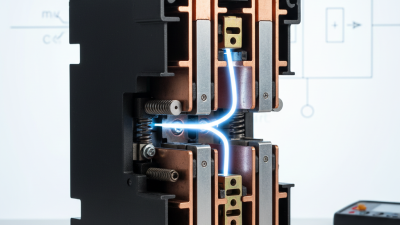
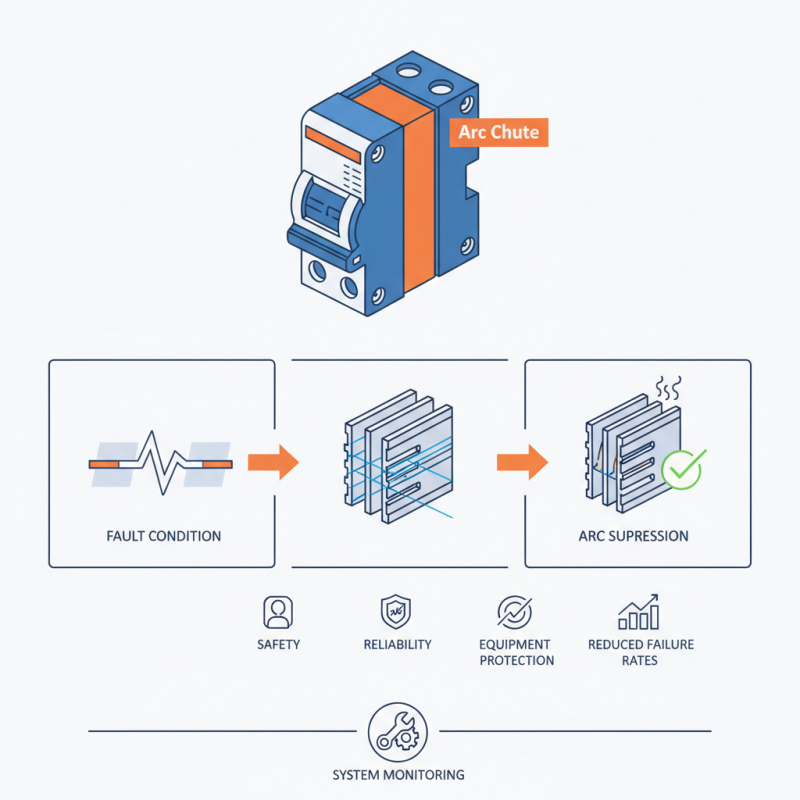
An MCCB (Molded Case Circuit Breaker) arc chute plays a crucial role in electrical safety. It serves to effectively manage the arc that forms when the circuit breaker interrupts a fault current. This arc can reach temperatures of up to 20,000 degrees Fahrenheit. The arc chute is designed to extinguish this arc quickly, ensuring minimal damage to the device and maintaining the safety of the electrical system.
The design of an MCCB arc chute involves precise engineering to optimize airflow and cooling. Typically, these devices are made from materials that can withstand high temperatures and intense electrical activity. According to industry reports, the arc chutes can increase the longevity of MCCBs by as much as 30%. They also contribute to reducing the risk of electrical fires in industrial settings. Regular maintenance and inspection are vital to ensure the arc chute remains functional. Neglect can lead to failure and heightened safety risks.
While the functionality of the arc chute is well-documented, issues can arise if not properly maintained. For instance, accumulation of dust or debris can impede its effectiveness. Statistics show that poorly maintained electrical equipment is responsible for approximately 25% of electrical failures. Thus, understanding the importance of the MCCB arc chute is essential for any facility relying on electrical systems. Proper education and adherence to maintenance schedules can mitigate risks significantly.
What is an MCCB Arc Chute and How Does it Function?
| Feature |
Description |
| Purpose |
To extinguish the electric arc formed during circuit interruption. |
| Material |
Typically made from insulation materials like fiberglass and metal to withstand high temperatures. |
| Functionality |
Guides and cools the arc, enabling safe disconnection of electrical circuits. |
| Components |
Includes arc extinguishing plates, diverters, and guiding systems. |
| Advantages |
Enhances safety, reduces maintenance costs, and extends equipment lifespan. |
| Applications |
Used in low and medium voltage MCCBs in industrial and commercial settings. |
The Role of Arc Chutes in MCCB Operation
Arc chutes play a critical role in the operation of molded case circuit breakers (MCCBs). These components help contain and extinguish the electrical arcs that occur during circuit interruption. When a fault occurs, high current flows through the MCCB. This sudden surge creates an arc between the contacts. The arc chute directs this arc, allowing it to cool and eventually extinguish.
Proper functioning of the arc chute ensures the MCCB can safely interrupt the current without damage. The design of an arc chute includes insulating materials to minimize electrical hazards. It helps maintain system integrity and prevents equipment failure. Inadequate arc management can lead to dangerous situations, including equipment damage and fire hazards.
Tips for ensuring effective MCCB operation include regular maintenance. Inspect the arc chute for signs of wear or damage. Cleaning the components ensures optimal performance. Additionally, always check for proper installation. Misalignment can reduce the efficiency of the chute. Training staff on how to identify and troubleshoot MCCB issues is vital. This knowledge promotes safety and operational reliability in dealing with electrical systems.
MCCB Arc Chute Performance Comparison
This bar chart illustrates the performance metrics of MCCB arc chutes, including the duration of arc, cooling efficiency, voltage drop, and temperature rise. These metrics are critical for understanding the effectiveness of arc chutes in circuit breakers.
How Arc Chutes Manage Electrical Arcs
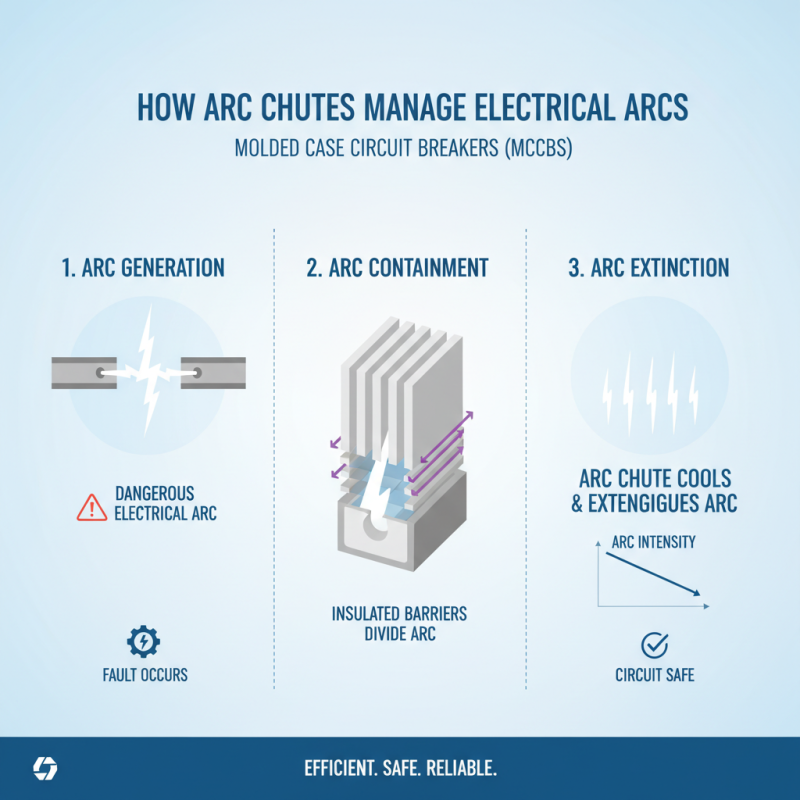
Arc chutes play a vital role in managing electrical arcs generated during the operation of Molded Case Circuit Breakers (MCCBs). When a fault occurs, an electrical arc can form. This can be dangerous. Arc chutes are designed to contain and extinguish these arcs efficiently. They do this by using series of insulated barriers that divide the arc into smaller segments, reducing its intensity.
According to a report by the International Electrotechnical Commission (IEC), properly designed arc chutes can reduce arc voltage by up to 80%. This significant drop minimizes the thermal and electromagnetic forces that can cause damage to electrical equipment. The final arc interruption depends on the successful design and effective operation of these elements in real-life scenarios.
While arc chutes are crucial, not all installations perform perfectly. Some may face retention issues. Inconsistent spacing or materials can lead to insufficient arc suppression. Reports indicate that up to 15% of MCCB failures may be attributed to subpar arc chute performance. Regular maintenance and inspections ensure that these components function as intended, improving reliability in electrical systems. Understanding the limitations of arc chutes can help engineers design better protection mechanisms.
Types of Arc Chutes Used in MCCBs
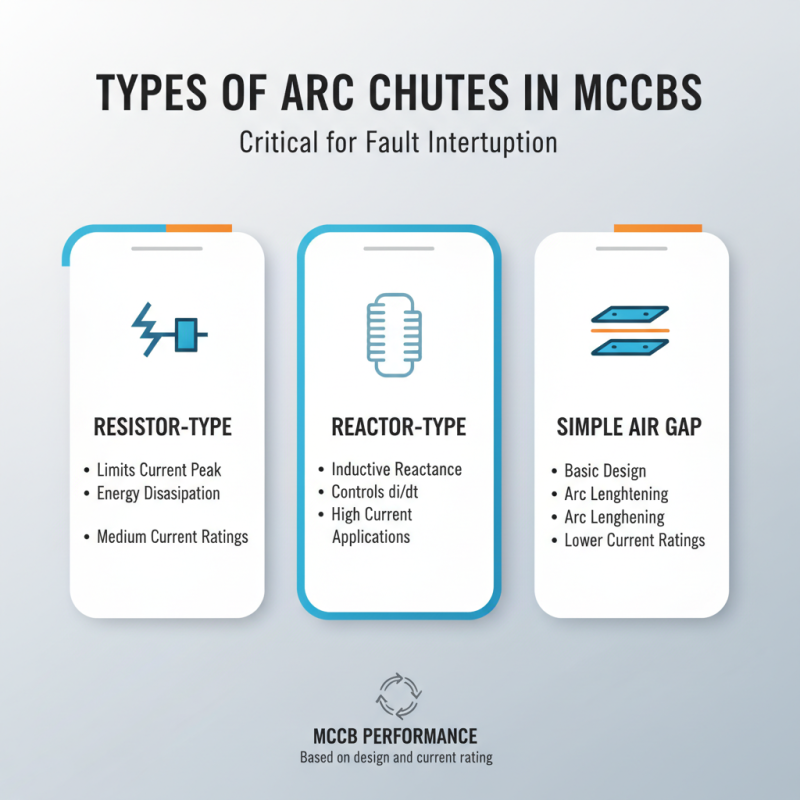
Arc chutes play a critical role in the performance of Molded Case Circuit Breakers (MCCBs). They are designed to extinguish arcs generated during the interruption of a fault current. Different types of arc chutes are employed in MCCBs, each tailored to specific applications and current ratings. Some common types include resistor-type, reactor-type, and simple air gap designs.
Resistor-type arc chutes absorb energy from the arc, reducing its intensity. Reports indicate that these chutes can lower the arc’s duration significantly. On the other hand, reactor-type chutes utilize magnetic fields to quench the arc. Research shows that they can manage higher fault currents effectively, making them suitable for industrial applications. Another variant, the air gap type, offers simplicity and cost-effectiveness for lower-rated MCCBs.
When selecting an arc chute, consider factors like the expected fault current and environmental conditions. Improper selection can lead to performance issues and safety concerns. Industry data suggests that about 15% of field failures in MCCBs are linked to inadequate arc chute design. Therefore, thorough evaluation of operational parameters and precise engineering are essential for reliable functionality.
Maintenance and Troubleshooting of MCCB Arc Chutes
MCCB arc chutes play a critical role in maintaining the operational efficiency of electrical systems. These devices help extinguish the electrical arc generated during circuit interruption. Regular maintenance is essential to ensure their longevity and reliability. Research indicates that improper maintenance can lead to up to a 30% reduction in performance. Keeping arc chutes clean and free from debris can prevent premature failure.
Visual inspection is a key step in maintenance. Look for discoloration or wear on the arc chute components. These could indicate excessive heat or operational stress. If any damage is evident, consider replacing the parts to avoid operational issues. Periodic testing is also crucial; experts recommend testing every six months to one year, depending on usage.
Troubleshooting is another critical aspect. If an arc chute fails to extinguish the arc properly, check for alignment issues. Misaligned components may not function effectively, increasing operational risks. Additionally, verify that the connection points are secure and free of corrosion. Maintaining records of inspections can help identify patterns that lead to unexpected failures. Investing time in these practices can significantly enhance the reliability of MCCB arc chutes.