How to Choose the Right Mcb Circuit Breaker for Your Electrical Needs?
When it comes to selecting an MCB circuit breaker, understanding your specific electrical needs is crucial. Renowned electrical engineer Dr. Emily Carter emphasizes, “The right MCB can prevent costly electrical failures.” Her expertise in the field highlights the importance of making informed choices.
An MCB circuit breaker is essential for protecting electrical circuits from overloads and faults. It acts as a safety device, ensuring both equipment and personal safety. Choosing the right MCB requires knowledge about the electrical load, the nature of the devices connected, and the environment in which it will operate. Mistakes in this selection can lead to frequent trips or worse, equipment damage.
In a world where electrical installations are common, relying on average knowledge can be risky. Every facility has unique requirements. Therefore, understanding MCB specifications, such as rating and type, is key. Inadequate research can result in installing an unsuitable circuit breaker. Addressing this gap can enhance safety and efficiency in your electrical system.
Understanding the Purpose of MCB Circuit Breakers in Electrical Systems
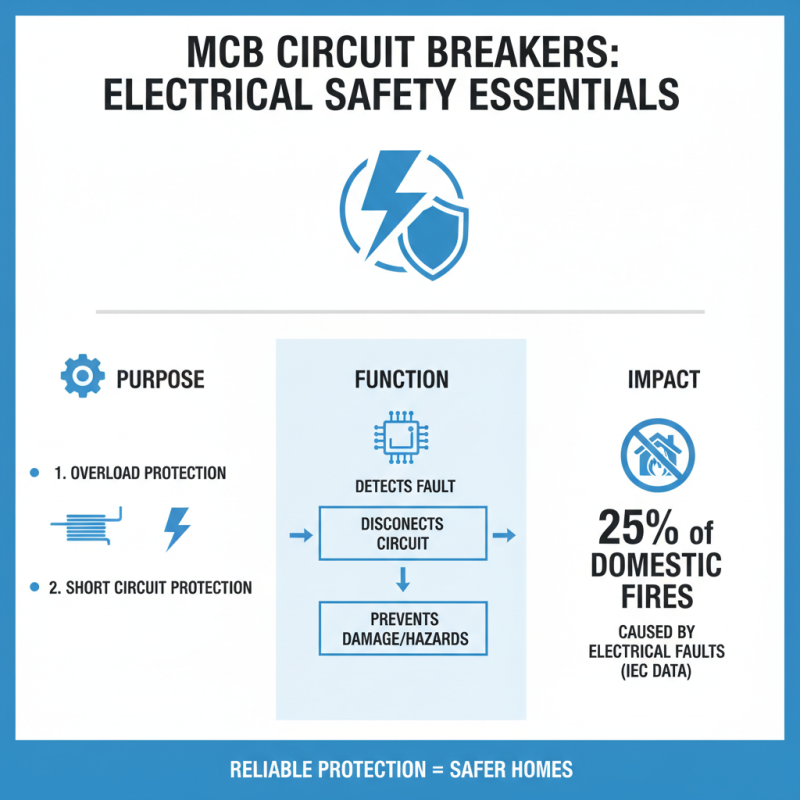
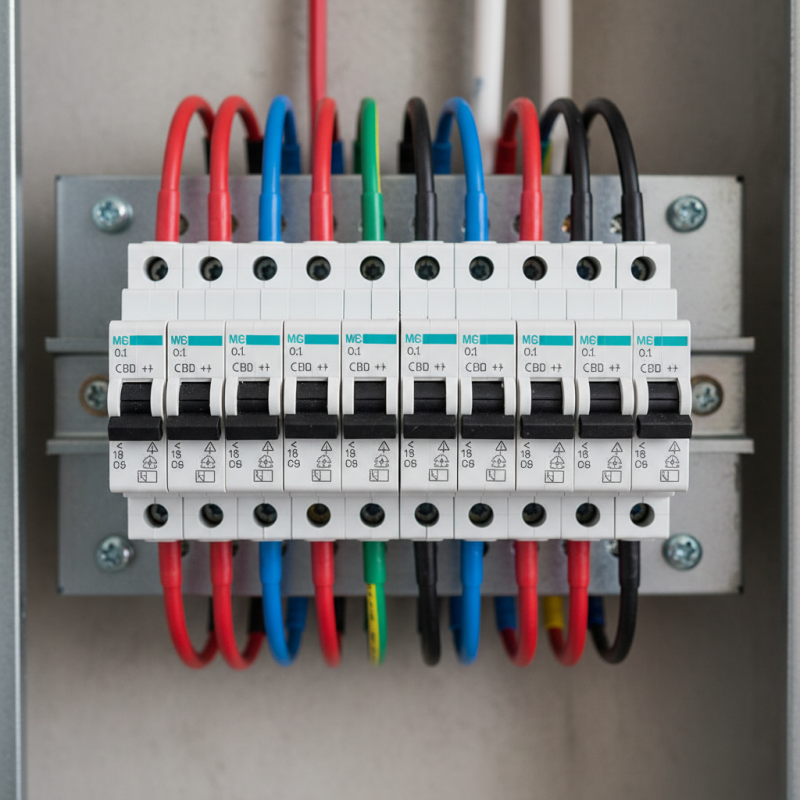
Miniature Circuit Breakers (MCBs) play a crucial role in modern electrical systems. Their primary function is to protect electrical circuits from overloads and short circuits. When a fault occurs, an MCB detects the anomaly and disconnects the circuit, preventing potential damage and hazards. According to the International Electrotechnical Commission (IEC), electrical faults contribute to 25% of domestic fires. This statistic highlights the importance of reliable circuit protection.
Selecting the right MCB involves understanding your electrical requirements. An improperly rated breaker can fail to protect your system effectively. Industry standards recommend that MCBs should be rated according to the load and type of appliances in use. For example, a residential circuit typically requires a Type B MCB, which trips between 3 to 5 times the rated current. This precise matching is critical for maintaining safety and functionality in an electrical system.
Consider also the environment where the MCB will be installed. Factors like temperature, humidity, and dust can affect performance. For instance, an MCB in a damp location may have reduced efficiency, leading to potential risks. Regular maintenance is also needed to ensure these devices perform optimally. Overall, understanding the nuances of MCBs ensures better safety and reliability in any electrical setup.
Identifying the Different Types of MCBs Available on the Market
When selecting the right miniature circuit breaker (MCB), it's crucial to know the types available. MCBs are primarily categorized by their tripping characteristics. B-type MCBs trip at low currents, suitable for residential applications. They work well for lighting circuits and general purpose outlets. C-type MCBs trip at higher currents, making them ideal for industrial settings. They can manage loads with high inrush currents, like motors and transformers.
There are also D-type MCBs, which cater to heavy-duty equipment. These devices can withstand high short-circuit currents. Each type serves a unique need, catering to various electrical demands. Understanding these differences shapes your circuit protection choices. One may overlook the specific needs of their application, leading to inadequate protection or nuisance tripping. Always assess the load and environment before making a decision. Doing so ensures that the selected MCB aligns with your electrical requirements.
Comparison of Different Types of MCBs Based on Amperage Rating
This bar chart illustrates the comparison of different types of MCBs based on their amperage ratings. The ratings displayed range from 6A to 32A, showcasing the varying capacity for current flow in electrical circuits. Select the appropriate MCB based on the specific electrical load requirements of your setup.
Assessing Your Electrical Load Requirements for MCB Selection
Assessing your electrical load requirements is crucial when selecting the right MCB circuit breaker. Begin by calculating the total wattage of the devices you plan to use. This includes appliances, lighting, and any other electrical equipment. It’s vital to consider both the running and starting wattage. Some appliances, like refrigerators and air conditioners, have a higher starting wattage.
Next, it's important to understand how much load your circuits can safely handle. Every circuit has a maximum capacity, often defined in amps. Use the formula: power (watts) = voltage (volts) x current (amps). This simple equation allows you to determine the necessary amperage for your MCB. However, this can be complex. Overestimating your load can lead to circuit breaker trips or even dangerous situations.
Finally, think about future needs. Will you add more devices later? Anticipating growth helps prevent frequent upgrades. Moreover, consider your specific installation environment. Factors like temperature and humidity can affect performance. Taking the time to assess these details ensures a reliable system that meets your needs. Reflecting on these aspects can be challenging, but it’s necessary for effective electrical management.
How to Choose the Right Mcb Circuit Breaker for Your Electrical Needs?
| Electrical Load (kW) |
Recommended MCB Rating (A) |
Typical Applications |
Type of MCB |
| 1 - 3 kW |
10 A |
Lighting Circuits |
B Type |
| 4 - 6 kW |
16 A |
Small Appliances |
B Type |
| 7 - 10 kW |
20 A |
Kitchen Circuits |
C Type |
| 11 - 15 kW |
32 A |
Heavy Machinery |
C Type |
| 16 - 25 kW |
40 A |
Industrial Equipment |
D Type |
Evaluating MCB Specifications and Ratings for Optimal Performance
Choosing the right MCB (Miniature Circuit Breaker) requires careful consideration of its specifications and ratings.
Understanding these factors ensures optimal performance in your electrical systems. An MCB's current rating, for instance, indicates the maximum current it can handle without tripping.
Selecting a device with the appropriate rating is vital to prevent overloads which can lead to equipment damage.
Another key specification is the breaking capacity. This measures the MCB's ability to interrupt fault currents.
Industry standards suggest that residential applications typically require a breaking capacity of at least 6 kA.
However, commercial environments may need higher ratings, often around 10 kA.
Evaluating these specifications helps in meeting safety standards and ensuring system reliability.
It’s common for users to overlook the environmental factors affecting MCB performance.
Exposure to heat, humidity, or dust can impair functionality.
Routine assessments of your electrical system can help identify issues before they escalate.
Regular checks on MCB conditions can reveal potential wear or misconfigurations, ultimately ensuring lasting safety and efficiency in your electrical installations.