2026 Top Mcb Breaker Types to Consider for Your Electrical Projects?
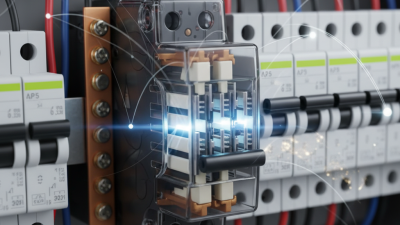
In today’s rapidly evolving electrical landscape, selecting the right MCB breaker is crucial for safety and efficiency. With global energy consumption projected to rise by 50% by 2030, as reported by the International Energy Agency, the demand for reliable circuit protection increases. MCB breakers, or miniature circuit breakers, play a vital role in preventing overloads and short circuits in electrical systems.
Considering the diversity of applications, understanding the various types of MCB breakers is essential. From single-pole to four-pole, each type serves distinct purposes. For instance, the type B MCB is effective for residential circuits, while type C is suitable for commercial settings. These details emphasize the need for careful selection based on project requirements.
However, not all MCBs are created equal, and discrepancies exist in their performance and reliability. Industry reports suggest that improper installation or inadequate specifications can lead to system failures. It is crucial to reflect on these aspects when planning your electrical projects. Properly chosen and installed MCB breakers can ensure longevity and safety, contributing to an efficient electrical infrastructure.
Overview of MCB Breakers: Definition and Functionality
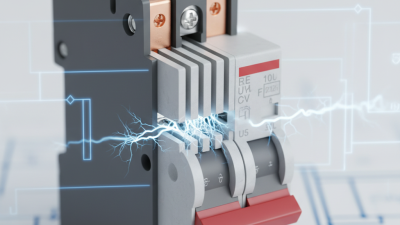
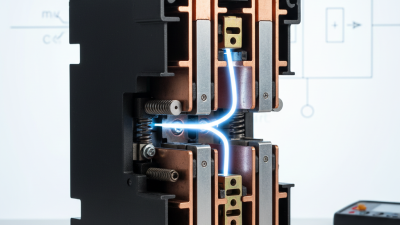
Miniature Circuit Breakers (MCBs) are essential for electrical systems. They protect circuits from overcurrent and short circuits. When an overload occurs, MCBs automatically disconnect the circuit. This safeguards not only the wiring but also connected devices.
The functionalities of MCBs go beyond simple on-off switches. They come with different ratings and types to suit various needs. For example, Type B MCBs are sensitive to overloads but can handle normal surges. Type C is used in commercial settings. They tolerate higher inrush currents.
Choosing the right MCB for a project requires careful thought. Understanding specific electrical loads is vital. Many users overlook load calculations, leading to improper MCB selection. This can result in frequent tripping or inadequate protection. Always consider the application, environment, and load characteristics before making a decision. It is not merely about installing a device; it's about ensuring the safety and efficiency of the entire electrical system.
2026 Top MCB Breaker Types to Consider for Your Electrical Projects
This chart illustrates the distribution of different types of MCB breakers used in electrical projects for the year 2026. The Miniature Circuit Breaker (MCB) is the most commonly used type, followed by the Residual Current Circuit Breaker (RCCB). Other types include Earth Leakage Circuit Breaker (ELCB), Dual function MCB, and Smart MCB, each playing a vital role in enhancing electrical safety and efficiency.
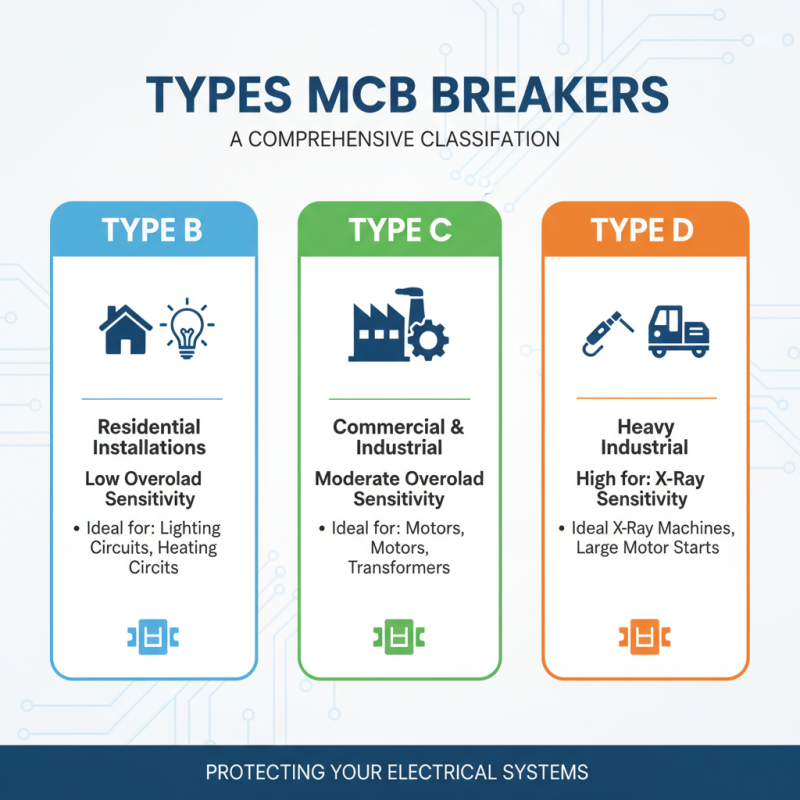
Types of MCB Breakers: A Comprehensive Classification
Miniature Circuit Breakers (MCBs) are vital components in modern electrical systems. They provide protection against overloads and short circuits. Understanding different types of MCBs aids in selecting the right one for your project. The classification includes Type B, C, and D breakers, each designed for specific applications. Type B breakers are suitable for residential installations. They trip at low currents, ideal for lighting and heating circuits. On the other hand, Type C breakers can handle moderate overloads, making them perfect for commercial and industrial scenarios.
Recent industry reports highlight that Type C breakers constitute approximately 60% of the MCB market. Their high tolerance for inrush currents helps protect motors and transformers during startup. Type D breakers, though less common, are crucial for inductive loads. They protect machinery with larger startup currents, making them indispensable in manufacturing. Despite their benefits, MCBs can sometimes trip unnecessarily. This may lead to operational downtime and frustration.
Choosing the right MCB should reflect project specifics. Factors like load characteristics, installation environment, and compliance standards are critical. Reports indicate that incorrect MCB selection can lead to safety hazards and increased maintenance costs. Therefore, a thorough evaluation of MCB types against project requirements is essential for effective electrical system design.
Factors to Consider When Selecting MCB Breakers for Electrical Projects
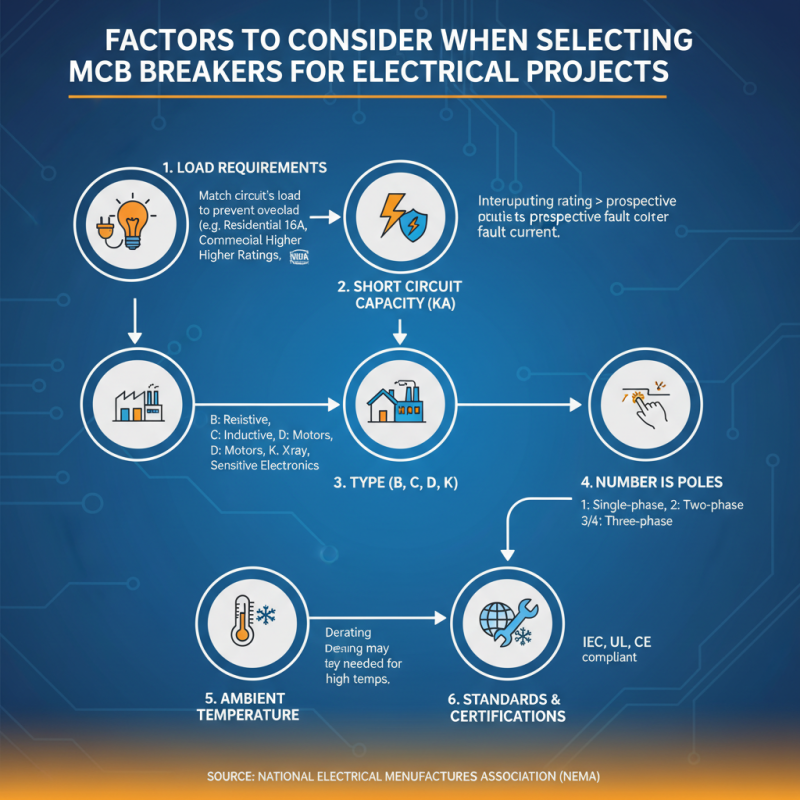
When selecting MCB breakers for electrical projects, several critical factors come into play. Firstly, understanding the load requirements is essential. According to the National Electrical Manufacturers Association (NEMA), selecting the right rating is crucial. MCBs must match the circuit’s load to prevent tripping due to overload. For example, a residential circuit typically requires 16A MCBs, while commercial units may need higher ratings.
Safety features are also paramount. An MCB with a good breaking capacity can withstand fault currents effectively. Reports from the International Electrotechnical Commission (IEC) highlight that MCBs with a breaking capacity over 10kA are often recommended for industrial environments. Additionally, ensuring compatibility with existing systems can prevent unforeseen complications. Consideration should be given to the installation environment, as humidity and temperature can affect MCB performance.
Lastly, the selection should factor in regulatory compliance. Adhering to local standards not only enhances safety but also guarantees system reliability. While there’s abundant data, not every guide provides insights into real-world challenges. Reflection on past projects can reveal gaps, especially when prototyping new solutions. Collecting feedback from seasoned electricians can bridge those gaps, providing practical knowledge that theoretical data sometimes misses.
Current Trends and Innovations in MCB Breaker Technology
The landscape of miniature circuit breakers (MCBs) is evolving rapidly. With a focus on safety and efficiency, recent innovations have transformed how we approach electrical projects. Current trends lean toward smart MCBs that connect with home automation systems. This allows for better monitoring and control, reducing the risk of electrical failures.
Energy efficiency is another significant focus. New models are designed to limit power surges effectively. They are becoming more compact, yet highly reliable, which is a major plus for modern wiring systems. The integration of sensors in MCBs offers real-time data on electrical loads. This capability helps identify potential issues before they escalate, ensuring safety.
Tips for selecting the right MCB include assessing your power requirements carefully. Always choose breakers that suit your usage needs. Additionally, consider future-proofing your electrical system. Select MCBs that can adapt to evolving technologies. Lastly, investing in quality over cost can save significant long-term expenses. This proactive approach can significantly enhance your electrical safety and efficiency.
Best Practices for Installing and Maintaining MCB Breakers
When installing Miniature Circuit Breakers (MCBs), proper practices are crucial. Industry reports indicate that over 40% of electrical failures stem from improper installations. It’s essential to ensure that the MCB is correctly rated for your application, focusing on both amperage and voltage specifications. Checking the manufacturer's guidelines against the electrical load can prevent overheating.
Another vital aspect is regular maintenance. An analysis by the Electrical Safety Foundation reported that about 25% of circuit issues could have been avoided with routine checks. Keeping a log of inspection dates and findings creates a reliable history. Ensure that all connections are secure. Loose connections can lead to increased resistance, resulting in unnecessary wear on the breakers.
Lastly, consider environmental factors. Dust and moisture can affect MCB performance. Installing in clean, dry locations improves longevity. While you can’t control every variable, taking steps to mitigate risks significantly increases safety and efficiency. Regularly reviewing your installation and maintenance tactics is a worthy endeavor that can yield better outcomes.