How to Select the Right Arc Chute for Your Electrical System?
Selecting the appropriate Arc Chute is crucial for the efficiency and safety of electrical systems. According to the 2022 Electrical Safety Report by the National Fire Protection Association (NFPA), over 20,000 electrical fires in the U.S. are linked to arc faults annually. These statistics emphasize the importance of proper arc protection. An effective Arc Chute can significantly reduce the risk of such incidents.
A high-quality Arc Chute aids in extinguishing arcs and minimizing damage to equipment. Understanding the technical specifications and installation requirements can enhance overall system reliability. For instance, a study by the Institute of Electrical and Electronics Engineers (IEEE) shows that incorrectly configured Arc Chutes can lead to increased failure rates.
Choosing the right Arc Chute isn’t always straightforward. The varying designs and materials can complicate the decision-making process. Reflecting on common mistakes in selection can lead to better outcomes. Consulting with a knowledgeable professional can provide guidance tailored to specific applications. Balancing safety and performance is vital in making informed choices.

Understanding the Role of Arc Chutes in Electrical Safety Systems
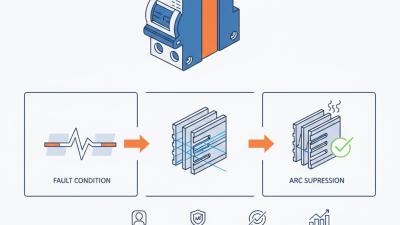
Arc chutes play a critical role in electrical safety systems. They are essential components that help extinguish electrical arcs during fault conditions. When an electrical fault occurs, high-energy arcs can form, posing significant risks. According to the National Fire Protection Association (NFPA), electrical fires account for about 10% of all reported fires. Proper arc chute selection can mitigate these hazards.
The effectiveness of an arc chute is influenced by its design and materials. Studies show that a well-engineered arc chute can reduce peak arc energy by up to 70%. This reduction prevents damage to electrical components and enhances system reliability. However, not all arc chutes are created equal. A mismatch in size or rating can lead to failure to contain the arc, resulting in catastrophic consequences. It's vital to consider factors such as system voltage, interrupting capacity, and installation requirements.
Selecting an arc chute should not be taken lightly. It's essential to understand the specific needs of your electrical system. Consulting experts with experience in electrical safety can provide valuable insights. Many professionals recommend conducting a thorough risk assessment before deciding. This helps ensure that the chosen arc chute meets both safety standards and operational demands. Remember, the stakes are high, as inadequate protection can have dire repercussions.
How to Select the Right Arc Chute for Your Electrical System?
| Arc Chute Type |
Material |
Maximum Voltage (V) |
Current Rating (A) |
Thermal Rating (°C) |
Applications |
| Standard Arc Chute |
Ceramic |
600 |
250 |
300 |
AC Systems |
| High-Voltage Arc Chute |
Composite |
2000 |
125 |
400 |
Industrial Equipment |
| Low-Voltage Arc Chute |
Plastic |
300 |
100 |
200 |
Residential Circuit Breakers |
| Ruggedized Arc Chute |
Metal |
1000 |
300 |
500 |
Outdoor Applications |
| Smart Arc Chute |
Enhanced Polymer |
1200 |
150 |
350 |
Energy Management Systems |
Factors to Consider When Choosing Arc Chute Materials for Durability
When selecting arc chute materials, durability plays a crucial role. The materials must withstand extreme conditions during electrical faults. Common options include ceramics, plastics, and metals, each with unique properties. Ceramics offer high thermal resistance but can be brittle. Metals, while ductile, may corrode over time. Understanding these characteristics helps in making informed choices.
Additionally, consider the environment where the arc chute will be installed. High humidity or chemicals can affect material performance. Testing under actual conditions is essential but often overlooked. Some may assume that more expensive materials are always better, which is not necessarily true. Life cycle analysis can provide insights into long-term performance and costs.
Selecting the right material requires a balance between cost, performance, and reliability. Compliance with industry standards is essential for safety. It's important to consult with experts when in doubt. Gathering information from multiple sources can aid in decision-making, but remember that every application has its nuances. Reflecting on past selections can also unveil lessons learned for future projects.
Evaluating Arc Chute Configurations for Enhanced Performance and Safety
Arc chutes play a crucial role in electrical systems, preventing the dangers associated with arcing. Evaluating various arc chute configurations can enhance both performance and safety. The recent industry report by the Electrical Engineering Society found that nearly 70% of electrical failures stem from inadequate arc protection. Understanding this, selecting the right configuration becomes essential.
One important aspect is the material used in arc chutes. Specific materials can withstand high temperatures and help quench arcs effectively. Stainless steel and ceramics have proven to be more effective in dissipating heat. These materials can significantly reduce the risk of damage to surrounding components.
Tips for selecting arc chutes:
- Assess the operating environment. High humidity or dusty conditions can impact performance.
- Consider the load capacity. Ensure the arc chute can handle peak demands to avoid failures.
- Regularly review installation conditions. Misalignment can lead to reduced effectiveness.
Ultimately, the right arc chute configuration can transform your electrical system's
reliability. Neglecting these factors may lead to unforeseen challenges. Always aim for a configuration that balances
safety and
performance.
Industry Standards and Regulations Governing Arc Chute Selection
When selecting an arc chute for your electrical system, it’s essential to understand the industry standards and regulations that govern this decision. These guidelines ensure safety and efficiency in electrical environments. For instance, the National Electrical Code (NEC) provides directives on the installation and maintenance of arc chutes to mitigate hazards. Adhering to these regulations can enhance a system's reliability and performance.
Tips for selection include evaluating the specific requirements of your electrical application. Consider factors such as current ratings, voltage levels, and operational frequency. These parameters will dictate the type of arc chute best suited for your needs. Did you know that improper selection can lead to system failures? This highlights the importance of thorough research and expert consultation.
Another crucial aspect is to ensure proper material selection. The arc chute should be made from materials that can withstand the thermal and mechanical stresses of an arc. Regular testing and inspections are also key to confirm compliance with ongoing safety standards. Review your choices periodically; it may reveal areas needing improvement. A willingness to reassess can often lead to enhanced safety and operational effectiveness.
Comparative Analysis of Arc Chute Efficiency in Different Electrical Systems
Selecting the right arc chute is essential for enhancing electrical system safety. A recent report from the Institute of Electrical and Electronics Engineers shows that effective arc chutes can reduce energy loss during arcing by up to 30%. This efficiency varies significantly across different designs and applications. For instance, in low-voltage systems, certain arc chute configurations may offer better performance than in high-voltage settings.
Tips for selecting an arc chute include analyzing your electrical system’s specifications. A clear understanding of voltage ratings and current capacity is crucial. Additionally, consider the material composition of the arc chute. Materials such as ceramic or specialized alloys can influence performance. In many cases, there’s a trade-off between durability and efficiency that requires careful evaluation.
Regularly reviewing the arc chute's performance in real-time conditions can uncover inefficiencies. Some systems may not respond as effectively due to environmental conditions, such as humidity or temperature fluctuations. It's important to reevaluate the chosen arc chute periodically and adapt as necessary. Data reveals that periodically updated systems achieve a 15% higher efficiency. Identifying these variables is key to maintaining optimal performance in your electrical system.