Top 10 Must Know Facts About Acb Parts for Your Projects?
In the world of electrical engineering, understanding "Acb Parts" is essential for any project. Renowned expert Dr. Alice Johnson, a leading figure in power systems, emphasizes, “Choosing the right ACB parts can significantly impact project efficiency.” This highlights the critical role these components play in ensuring reliability and performance.
ACB parts, or Air Circuit Breaker parts, are crucial for circuit protection and management. Their specifications can affect not just safety but also operational efficiency. Selecting low-quality parts can lead to failures and increased costs. Each part, from contacts to trip units, must meet stringent standards.
As projects become more complex, keeping abreast of industry advancements is vital. Engineers often overlook the importance of ACB parts, leading to performance issues. Understanding these components can significantly influence the success of a project. A reflective approach is necessary when choosing ACB parts; every decision matters.

Understanding ACB Parts: A Comprehensive Overview
Understanding ACB (Air Circuit Breaker) parts is crucial for any electrical engineering project. These components play a vital role in ensuring safety and efficiency in electrical systems. According to a recent industry report, ACBs have increased electrical reliability by as much as 30% in industrial applications. This highlights the importance of selecting the right parts for your needs.
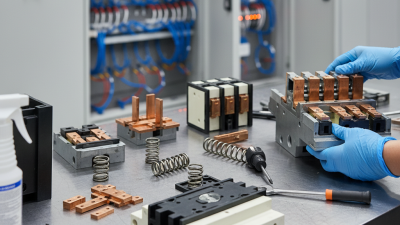
When working with ACBs, understanding their main components is essential. Key parts include the trip unit, contacts, and operating mechanism. Each part has its own function and can significantly affect overall performance. Many engineers overlook the significance of regular maintenance. Regularly checking and replacing worn components can prevent unexpected failures.
Tip: Ensure compatibility between an ACB and other system components. Mismatched parts can lead to inefficiencies. For precise measurements, use a digital multimeter. It helps in detecting anomalies in voltage and current levels. This proactive approach enhances system reliability.
Keep in mind that not all ACBs are created equal. Quality varies, and selecting subpar components can compromise safety and efficiency. The increasing trend towards smart technologies also affects ACB performance. Stay updated on emerging technologies and integrations to keep projects competitive. Investing time in research can pay off significantly in the long run.
Key Functions of ACB Components in Electrical Systems
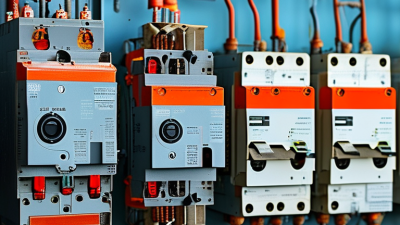
ACB, or Air Circuit Breaker, components play a crucial role in electrical systems. They help protect circuits from overloads and short circuits. ACBs are designed to break the circuit when there is a fault, preventing serious damage. Understanding their key functions can greatly enhance project outcomes.
One vital component is the trip mechanism. It detects the abnormal currents and interrupts the flow. The thermal and magnetic trips provide protection against different fault types. Another important aspect is the operating mechanism. This part ensures reliable operation under various conditions. Over time, maintenance becomes essential to keep these components functioning correctly. Neglecting it leads to failures that could have been avoided.
Tips: Regularly inspect and test ACBs in your system. This helps identify potential issues early. Consider training your team on proper ACB handling techniques. Understanding the nuances of these components increases project reliability and safety.
Common Applications of ACB Parts in Various Industries
ACB parts play a vital role across various industries. These components are commonly used in electrical systems. They manage power distribution effectively, ensuring operational efficiency. For instance, in manufacturing, ACB parts help control machinery. They provide safety and reliability in unstable environments.
In construction, these parts are essential for electrical installations. They protect against overloads, preventing potential hazards. In commercial buildings, they enable robust electrical systems. ACB parts ensure the safe operation of lighting and HVAC systems. Each application has its unique challenges, but ACB parts offer necessary solutions.
However, one must consider environmental factors. They can affect performance and longevity. Regular maintenance is crucial for optimal function. Users often overlook this aspect, leading to unforeseen issues.
Transport systems also benefit from ACB parts. They ensure stable power supply for trains and public transport. Reliability is key in these scenarios. Delays due to electrical failures can disrupt services considerably. While ACB parts are reliable, understanding their limitations is important. Users must assess their specific needs before application. Reflection on these factors can lead to better project outcomes.
Maintenance Tips for ACB Parts to Ensure Longevity
Maintaining ACB parts is crucial for their longevity and performance. Regular inspection is essential. Look for signs of wear, such as frayed wiring or cracks in the casing. Prompt attention can avoid larger issues later. Clean the components regularly to prevent dust accumulation. Dust can cause overheating and reduce efficiency.
Proper storage is equally important. Store ACB parts in a cool, dry place. Humidity can damage electrical components. Make sure to handle parts carefully to avoid physical damage. When in doubt, consult a professional. Their expertise can save time and costs in the long run. Keep a maintenance log detailing inspections and repairs. Documentation helps track the health of your ACB parts over time.
Remember, ACB parts may require unexpected repairs. Prepare for downtime by having backup components ready. This proactive approach can reduce project delays. Identifying potential failures early can also be less costly. Quality care will ensure that ACB parts serve you well in various projects.
Choosing the Right ACB Parts for Your Specific Projects
When selecting ACB parts for your projects, it's crucial to align components with the specific requirements of your application. Assess the voltage and current ratings of your project. ACB parts come in various specifications; mismatch can lead to inefficiencies. Focus on environmental conditions too. If the setting is humid or dusty, choose parts that offer better protection.
Tips: Always cross-check compatibility with your project's design. Use a checklist to ensure you consider components, ratings, and environmental factors. Sometimes, you may find suitable parts that aren't the most expensive. Budget wisely without compromising quality.
Consider sourcing ACB parts from several suppliers. This way, you can compare options and see which ones meet your project needs best. Be prepared for potential revisions in your project as you gather more information. This flexibility allows for adjustments that can enhance the final outcome. Explore innovative solutions without fear of trial and error. This is part of the development process.
Top 10 Must Know Facts About ACB Parts for Your Projects