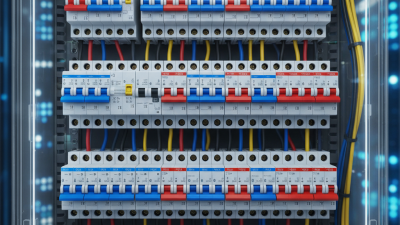
Top Types of Circuit Breakers You Should Know About?
In the dynamic world of electrical engineering, understanding various types of Circuit Breakers is crucial. As Jim Hawthorne, a seasoned expert in the electrical industry, once stated, “Knowing the right Circuit Breaker can save your system from catastrophic failures.” This statement underscores the importance of selecting the appropriate Circuit Breaker for different applications.
Circuit Breakers serve as essential guardians in our electrical systems. They protect circuits from overloads and short circuits, ensuring safety and functionality. Different types of Circuit Breakers, such as Miniature, Molded Case, and Residual Current Circuit Breakers, all come with distinct features. Understanding these types can significantly impact efficiency and safety in any installation.
However, the variety can be overwhelming. Many professionals may struggle to choose the right type for specific needs. Each Circuit Breaker holds unique characteristics that can either enhance performance or contribute to failures. Reflecting on these details is vital for achieving long-term reliability in electrical systems. A deeper understanding can pave the way to better choices in an often complex field.
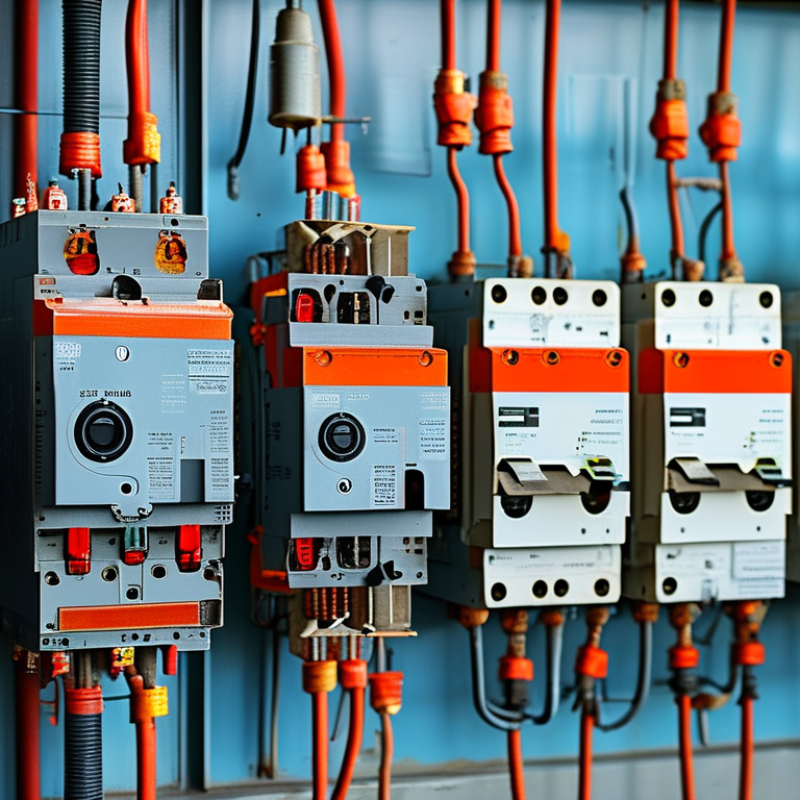
Types of Circuit Breakers: An Overview
Understanding the various types of circuit breakers is essential for safe and efficient electrical systems. These devices protect circuits from overloads and short circuits.
The most common types include Miniature Circuit Breakers (MCBs),
Residual Current Circuit Breakers (RCCBs), and Circuit Breaker Switches (PBS).
Each serves a unique purpose in system protection.
MCBs are designed for overcurrent protection. They automatically trip when the current exceeds a predetermined level.
These breakers are common in residential settings.
RCCBs, on the other hand, focus on detecting earth faults. They disconnect circuits when they sense leakage current.
This feature adds a critical layer of safety.
Circuit breakers vary in construction and features. Some are more sensitive than others. This sensitivity can lead to
nuisance tripping.
It's crucial to select the right type based on your electrical needs. Consulting with an expert can help avoid mistakes.
Careful consideration ensures both safety and functionality in your electrical installations.
Electromagnetic Circuit Breakers: Function and Features
Electromagnetic circuit breakers are essential devices in electrical systems. Their primary function is to protect circuits from overloads and short circuits. They operate using electromagnetic principles, which means they respond quickly to electrical faults. This rapid response helps prevent damage to connected devices.
These breakers feature a magnetic coil that generates a magnetic field when current flows through it. If the current exceeds a preset limit, the coil activates a mechanism that opens the circuit. This quick action limits potential damage. In many cases, testing the breaker regularly is crucial to ensure it functions well. Routine checks might reveal issues that could manifest later.
Moreover, electromagnetic circuit breakers can be reset. After tripping, simply switching them back on restores power. However, it’s important to address the cause of the trip before resetting. Sometimes, wear and tear can affect their performance. Understanding these aspects allows users to maintain safety and reliability in their electrical systems.
Thermal Circuit Breakers: Operation Principles and Uses
Thermal circuit breakers are crucial in electrical systems. They protect against overloads and short circuits. These breakers work by heating a bimetallic strip inside. When the current exceeds a safe limit, the heat causes the strip to bend and trip the circuit. This simple yet effective mechanism has been proven reliable in various applications.
Research indicates that thermal circuit breakers account for about 40% of the global market in circuit protection devices. Their importance in residential and industrial settings cannot be overstated. In homes, they ensure safety for appliances and wiring. In industry, they protect heavy machinery, which often runs with higher currents. This reliability hinges on their consistent operation under different conditions.
Despite their benefits, thermal circuit breakers can have limitations. They may respond slowly to sudden surges, allowing damage to equipment. This aspect highlights the need for careful selection in system design. Regular inspection and maintenance are essential to ensure optimal performance. Users should also consider environmental factors, such as ambient temperature, which can affect the breaker’s response time.
Miniature Circuit Breakers (MCBs): Characteristics and Applications
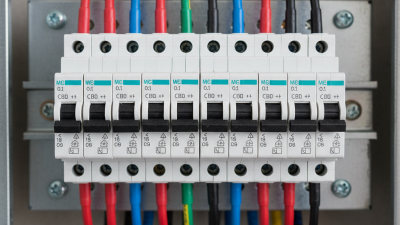
Miniature Circuit Breakers (MCBs) are essential for modern electrical systems. These devices automatically cut off electrical flow during overloads, preventing potential hazards. MCBs differ from traditional fuses, offering resettable options that enhance reliability. They are designed to trip quickly, ensuring safety in residential and commercial applications. Knowing how to choose the right MCB adds to your electrical protection.
Tips: Always check the MCB rating before installation. Select one that matches your circuit's load. This ensures optimal performance and safety.
Special features of MCBs include their compact size and ease of installation. They are versatile and can fit in various distribution boards. However, not all MCBs are the same. It’s crucial to understand the specifications. Consider the voltage and current ratings specific to your needs. Always leave room for future expansion; it helps avoid replacing entire setups later.
Tips: Regularly inspect MCBs for wear and tear. A malfunctioning breaker can compromise safety. Ensure your electrical system evolves with your needs and technology advancements.
Residual Current Circuit Breakers (RCCBs): Protection Against Leakage Current
Residual Current Circuit Breakers (RCCBs) are essential in modern electrical safety systems. They protect against leakage currents that can cause electric shocks. According to industry reports, leakage currents account for approximately 30% of electrical accidents in residential settings. These devices can detect small imbalances in electrical circuits, usually in the range of 30 mA or less, and cut off the current within milliseconds. This rapid response significantly reduces the risk of severe injuries or fatalities.
Using RCCBs is crucial in any environment where moisture is present. Bathrooms, kitchens, and outdoor areas require special attention. Regular testing, at least once a month, can ensure these devices function correctly. Users sometimes underestimate their importance. Neglecting routine checks could lead to failure when they are needed most.
Tips: Consider installing RCCBs in high-risk areas. Educate family members about their function and test them regularly. A simple press of the test button can save lives. Always consult an electrician for installations or repairs to ensure compliance with safety regulations. Understanding RCCBs better can empower individuals to take charge of their electrical safety.