How to Choose the Right AC Contactor Arc Chute for Your Needs?
When selecting the right AC Contactor Arc Chute, expert advice is invaluable. John Smith, a renowned electrical engineer, once stated, “Choosing the right arc chute can prevent major system failures.” His insight highlights the importance of matching the arc chute to specific applications.
AC contactors play a crucial role in electrical systems. The arc chute protects the circuit by managing the electrical arcs produced during contactor operation. This task is vital for device longevity and safety. Without the proper arc chute, you risk compromising your system's efficiency and reliability.
Understanding the characteristics of different arc chutes can be challenging. Each design serves unique functions and operates under various conditions. It is beneficial to closely evaluate your needs. Reflection on past choices can lead to wiser decisions. Finding an ideal match requires patience and careful consideration.
Understanding the Importance of AC Contactor Arc Chutes in Electrical Systems
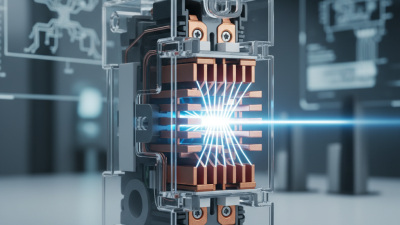
AC contactor arc chutes are vital components in electrical systems. They play a critical role in managing electrical arcs generated when the contactor opens or closes. As electrical loads switch, the chance of arc formation increases. According to industry research, a well-designed arc chute can reduce the arc energy by up to 70%. This makes them essential for protecting the contactor and other connected equipment.
Understanding how arc chutes function is important. They deflect and cool the arc, preventing damage to contacts. Inadequate or poorly designed arc chutes can lead to shortened equipment life and increased maintenance costs. The National Electrical Manufacturers Association highlights that improper arc management can escalate equipment failure by 25%. That’s a significant risk for any operation relying on reliable electrical systems.
Choosing the right arc chute requires assessment of your specific needs. Not all systems have the same requirements. Basic configurations may work for some, while high-demand environments require advanced solutions. Clarity in this decision-making process is crucial. Even small details in design can significantly impact performance and safety. Consider consulting with experts who can offer insights based on your system's unique characteristics.
Key Factors to Consider When Selecting an AC Contactor Arc Chute
When selecting an AC contactor arc chute, several key factors come into play. Understanding these can greatly improve reliability and safety. The material of the arc chute should be durable, capable of withstanding extreme temperatures. Some materials may degrade over time, which could lead to failures.
The design of the arc chute is also important. A well-designed arc chute disperses energy effectively. This reduces the risk of damage to the contactor. Poor designs may lead to short circuits or inefficiencies. Consider the size and space available as well. A larger chute may not fit in compact installations.
Another factor is the application of the contactor. Different applications require varying levels of protection. For example, industrial settings may need tougher specifications. Reflecting on the specific environment, such as moisture or dust exposure, can aid in selecting the right product. Researching options and consulting professionals can provide insights into the best choices. Balancing cost and quality is also a challenge many face. It’s essential to weigh immediate savings against potential long-term losses.
Comparing Material Types: Metal vs. Insulation in Arc Chute Design
When selecting an AC contactor arc chute, the choice of materials is critical. Metal arc chutes are known for their durability and longevity. They withstand high temperatures and offer superior thermal conductivity. A study by the National Electrical Manufacturers Association (NEMA) reports that metal designs can handle over 90% of thermal loads without significant degradation. This resilience leads to lower maintenance costs over time.
On the other hand, insulating materials in arc chutes provide excellent electrical insulation. These materials typically have better dielectric strength, reducing the risk of short circuits. Some industry sources indicate that insulated chutes can decrease arc flash incidents by up to 30%. However, their lifespan is generally shorter compared to their metal counterparts, especially under high-load conditions.
While metal and insulation designs both have their advantages, users must weigh these factors carefully. For instance, a metal chute may fail faster in certain corrosive environments. Insulating materials can be more prone to wear in high-heat scenarios. Understanding the specific operational context is essential for making the best choice. Each option has its merits, but the right choice is not always clear-cut.
How to Choose the Right AC Contactor Arc Chute for Your Needs?
| Material Type |
Advantages |
Disadvantages |
Best Use Case |
| Metal Arc Chute |
High thermal conductivity, Durable, Effective at dissipating heat |
Heavier, Can corrode, Higher cost |
High-power applications, Industrial settings |
| Insulation Arc Chute |
Lightweight, Corrosion-resistant, Lower cost |
Lower heat dissipation, Less durable under extreme conditions |
Residential use, Light-duty applications |
| Hybrid Arc Chute |
Balanced performance, Suitable for varied conditions, Cost-effective |
Compromise on durability and conductivity |
General applications across different sectors |
Evaluating Rated Current and Voltage for Optimal Arc Chute Performance
When selecting an AC contactor arc chute, evaluating the rated current and voltage is essential. The arc chute aids in extinguishing the arc during switching operations, ensuring longevity and reliability. A mismatch in rated current can lead to overheating. Likewise, incorrect voltage ratings can hinder performance, causing premature failures.
Tips: Assess your system's specifications carefully. Look for any discrepancies between the arc chute and your contactor. Ideally, the voltage rating should exceed the system voltage by a safe margin. Additionally, consider the electrical load characteristics as this influences the temperature rise in the chute.
Be mindful of installation details. Improper placement can affect arc chute efficiency. Even slight misalignments can lead to increased wear or failure. Frequent maintenance checks can help identify such issues early. Ensure that your chosen arc chute material is suitable for the operating environment, as this impacts its durability.
AC Contactor Arc Chute Evaluation
This bar chart illustrates the rated current and voltage specifications of the AC contactor arc chute. Understanding these parameters is essential for optimal performance and longevity of electrical equipment.
Assessing Environmental Conditions and Their Impact on Arc Chute Selection
When selecting an AC contactor arc chute, environmental conditions play a crucial role. Humidity, temperature, and dust levels impact the chute's performance. In high-humidity areas, moisture can interfere with the arc chute's insulation properties. This might lead to premature failure or inefficient operation.
Dusty environments pose another challenge. Accumulation of dust can hinder the arc extinguishing process and increase the risk of overheating. Regular maintenance may be needed in such settings. High temperatures can also affect the chute’s materials, potentially reducing their lifespan. It's important to monitor these factors continuously.
Don’t underestimate the importance of proper selection. Misjudging environmental needs can lead to system inefficiencies. It’s essential to analyze your specific conditions. In some cases, opting for a higher-rated arc chute might be necessary for reliability. Be prepared to adjust based on real-world feedback. Addressing these environmental concerns proactively can enhance performance and protect your equipment.