How to Choose the Right Arc Chute for Your Circuit Breaker?
Choosing the right Arc Chute for Circuit Breaker is critical for ensuring electrical safety and performance. Research from the National Electrical Manufacturers Association (NEMA) indicates that improper selection can lead to failures, resulting in costly outages. Circuit breakers serve as vital components in protecting electrical systems, where an effective arc chute absorbs energy during fault conditions.
Arc chutes are designed to manage and extinguish electrical arcs that occur during circuit interruption. According to a report by the Institute of Electrical and Electronics Engineers (IEEE), the right arc chute can improve a circuit breaker's efficiency by up to 30%. However, many users overlook specifications, leading to improper installations. This misjudgment not only compromises safety but can degrade system reliability.
Properly selecting an arc chute ensures optimal performance of circuit breakers. Ignoring the nuances of material, construction, and design can lead to underwhelming results. Ultimately, recognizing the importance of the right arc chute is a step towards a safer and more efficient electrical environment.
Understanding the Function of Arc Chutes in Circuit Breakers
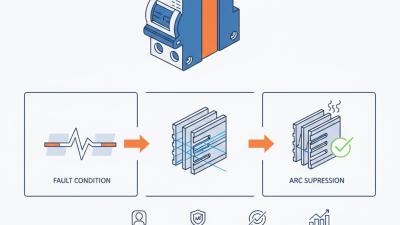
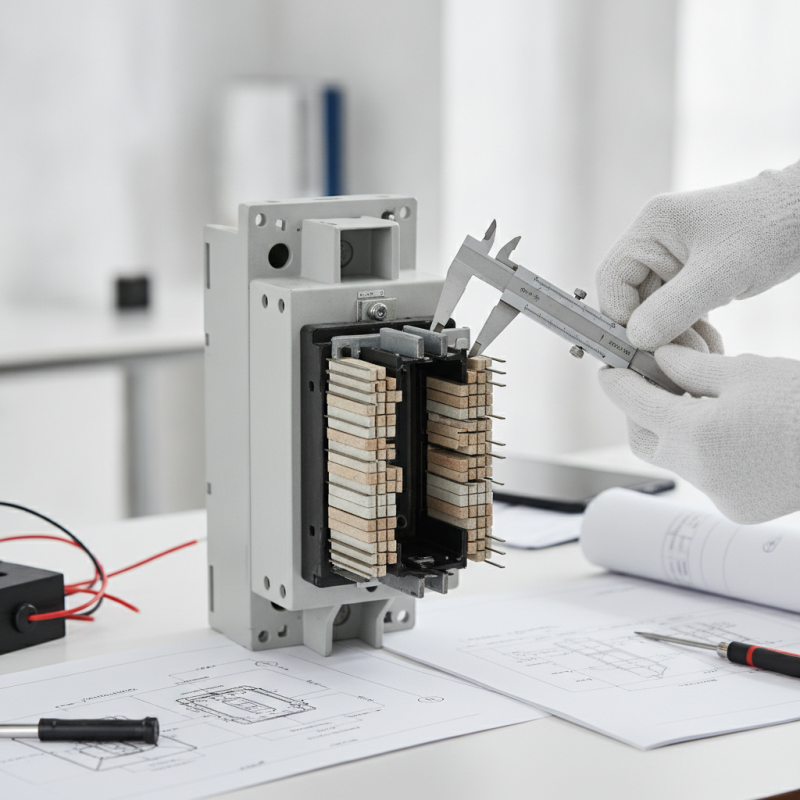
Arc chutes play a crucial role in circuit breakers by controlling and extinguishing electrical arcs formed during operation. Understanding their function helps in choosing the right arc chute for specific applications. When a circuit breaker operates, it interrupts the current flow, generating an arc that can damage components and lead to safety hazards.
High-quality arc chutes disperse the arc effectively. Industry reports indicate that improper arc chute selection can decrease breaker lifespan by up to 30%. A well-designed chute redirects the vapor and heat away, minimizing thermal effects on the breaker. In high-voltage applications, materials like ceramic or specialized plastics often provide better performance due to their insulation properties.
Tips: Consider your application’s voltage and current ratings. Matching these specifications ensures optimal performance. Regular maintenance checks can identify wear in components, which is critical for safety. Do not overlook the importance of installation practices. Improper assembly can lead to operational failures.
Incorporating advanced technology into arc chute design can yield significant benefits. Research suggests that using innovative geometries enhances arc quenching efficiency. However, users must remain vigilant about evolving standards and norms in the industry, as they can impact ongoing compliance and safety.
Types of Arc Chutes and Their Applications
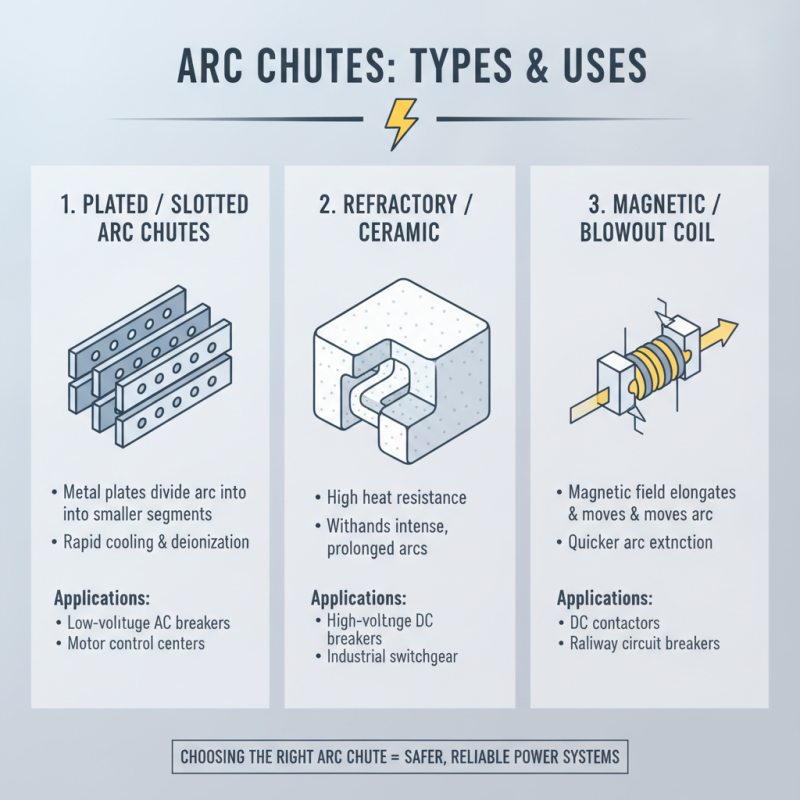
Choosing the right arc chute for a circuit breaker requires understanding the types available and their specific applications. Arc chutes play a crucial role in extinguishing electrical arcs that occur during circuit interruption. These components vary widely in design and functionality, making careful selection essential.
Common types of arc chutes include plate chutes, which utilize metal plates to disrupt the arc path, and magnetic chutes that utilize magnetic fields. Plate chutes often find use in low-voltage circuits, while magnetic chutes are effective for higher voltages. The application can dictate the need for enhanced cooling or specific materials to withstand high temperatures. Ensure the type aligns with your circuit’s voltage and usage requirements.
When selecting an arc chute, consider potential limitations. Some designs may require more maintenance or might not perform well at extreme conditions. Engaging with experts can bring additional insights into the specifics of installations. Reflect on past experiences and the performance of different chutes. Balancing reliability with specific circuit demands is crucial for making informed decisions.
Factors to Consider When Selecting Arc Chutes
Choosing the right arc chute for your circuit breaker involves several critical factors. One important consideration is the current rating of the circuit breaker. Ensure the arc chute can handle the specific current and voltage levels your system operates at. This prevents overheating or failure during an incident. Inadequate ratings can lead to disastrous situations that compromise safety and functionality.
Another factor to consider is the type of application. Industrial environments usually demand more robust arc chutes compared to residential ones. Think about the frequency of operation and the potential for electrical arcing. Different materials and designs provide varying levels of resistance and cooling properties. You may find it challenging to determine the best match without thorough research.
Additionally, ventilation is crucial. Proper airflow can significantly enhance the performance and lifespan of the arc chute. Assess the installation environment for sufficient space around the breaker. Poor ventilation may lead to overheating, affecting both the circuit breaker and the chute. Each of these elements requires careful analysis to ensure effective protection and operation.
Compatibility of Arc Chutes with Different Circuit Breaker Models
Choosing the right arc chute for circuit breakers requires careful consideration of compatibility. Different circuit breaker models have varying specifications. An arc chute must match these specifications to work effectively. This can impact the breaker’s performance and lifespan.
When selecting an arc chute, pay attention to the design and material. Some breakers may need specific arc chute types for optimal protection. If there’s a mismatch, you might face issues like overheating or failure. It’s crucial to refer to manufacturer's guidelines to find the right fit.
Installation can also be tricky. Experience shows that improper installation can lead to malfunction. Always check if the arc chute aligns correctly with the circuit breaker. Reflect on past installations to avoid repeating mistakes. Proper testing after installation ensures everything functions as intended.
Maintenance Tips for Optimal Arc Chute Performance
When maintaining an arc chute, regular inspection is key. Look for signs of wear or damage. Cracks in the chute can lead to performance issues. Ensure that all components are clean and free of debris. Dust and grime can hinder optimal function. Simple cleaning can make a big difference in longevity.
Proper installation is essential for peak performance. Misalignment can create problems. Make sure the arc chute fits snugly within the circuit breaker. Check the mounting hardware and replace any worn parts. If you notice excessive arcing or popping sounds, it’s time for a review. Ignoring these signs can lead to bigger failures.
Training is also important. Ensure your team understands the specific requirements of the system. Encourage them to report any irregularities. Sometimes, a small oversight can lead to significant damage. Regular documentation of maintenance activities helps track the performance over time. This way, you can adjust your maintenance strategy as needed.
How to Choose the Right Arc Chute for Your Circuit Breaker? - Maintenance Tips for Optimal Arc Chute Performance
| Parameter |
Description |
Recommended Value |
Maintenance Frequency |
| Material Type |
Material used for arc chute |
Ceramic or Conductive Composite |
Annually |
| Size Compatibility |
Fit for specific circuit breaker model |
Check model specifications |
Each Replacement |
| Voltage Rating |
Maximum voltage the chute can handle |
Match Breaker Voltage |
Before High Load Usage |
| Thermal Resistance |
Ability to withstand heat |
High Thermal Resistance |
Semi-Annual |
| Electrical Conductivity |
Conductive properties of the chute |
Low Resistance Material |
Quarterly |