Top 10 Circuit Breakers for Global Buyers to Consider?
When selecting the right Circuit Breaker, global buyers face many challenges. The market is vast, with numerous options available. Buyers must consider factors like compatibility, reliability, and safety features when making their choice. Each Circuit Breaker serves a specific need in electrical systems, ensuring safety and efficiency.
In this complex landscape, understanding product specifications is crucial. Many buyers struggle to navigate technical details. This oversight can lead to poor purchasing decisions, resulting in wasted resources. It is vital to seek professional advice to make informed choices.
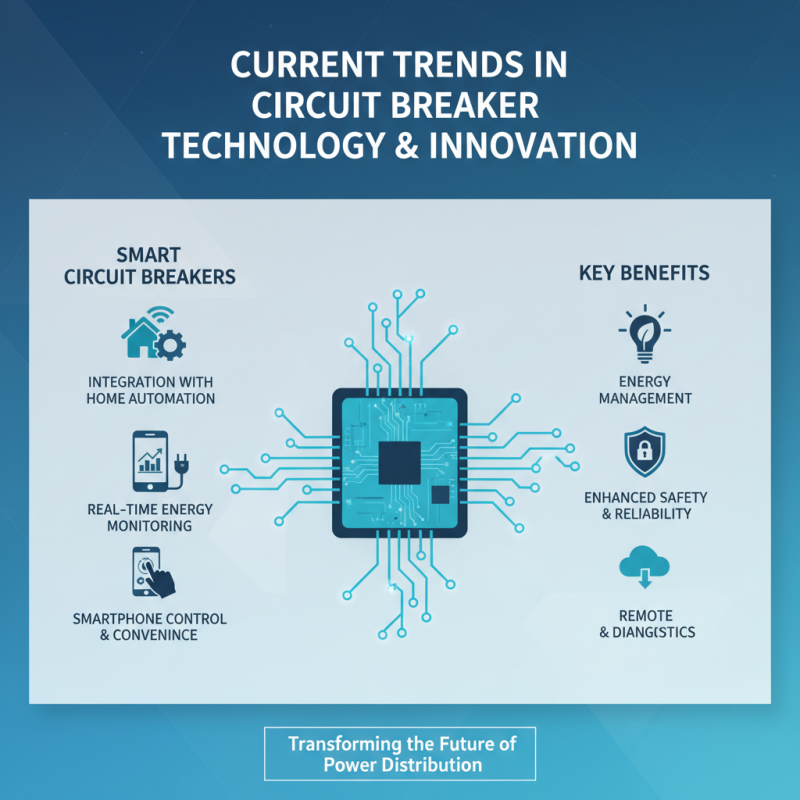
Evaluating the top Circuit Breakers involves recognizing the latest technology and trends. Many products feature innovative designs that enhance performance and safety. However, buyers should beware of flashy marketing that may not reflect true reliability. Research and expert opinions are key to finding the best options. In a world where electrical safety is non-negotiable, making the right choice is paramount.
Key Features to Evaluate When Selecting Circuit Breakers
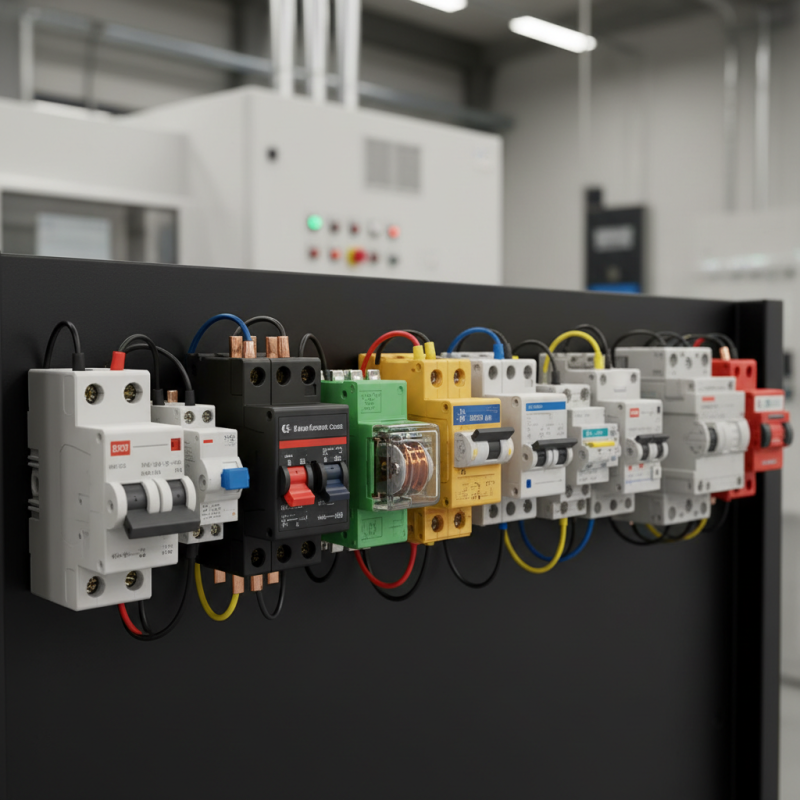
When selecting circuit breakers, several key features warrant careful evaluation. One important factor is the tripping mechanism. Circuit breakers with thermal-magnetic trip units offer reliable protection against overloads and short circuits. According to a report by Grand View Research, the global circuit breaker market is expected to reach $35.5 billion by 2027, illustrating the increasing demand for efficient protective devices.
Another critical aspect to consider is the breaking capacity. This refers to the maximum fault current a breaker can interrupt without damaging itself. Selecting a breaker with an appropriate breaking capacity ensures safety in the event of electrical faults. The International Electrotechnical Commission (IEC) recommends breakers that can handle at least 1.5 times the expected load current. This guideline helps mitigate risks associated with electrical equipment failure.
Also, think about the environmental conditions where the circuit breaker will be installed. Products designed for high humidity or temperature fluctuations can extend the lifespan and performance. Yet, many buyers overlook these specifications. This oversight can lead to inadequate protection and costly downtime. It’s crucial to choose a circuit breaker that meets not just electrical needs but also environmental factors.
Top Brands for Circuit Breakers in the Global Market
When exploring the global market for circuit breakers, it's essential to highlight top brands that are recognized for their quality and reliability. According to a recent industry report, the global circuit breaker market is projected to grow significantly, reaching approximately $12 billion by 2026, driven by advancements in electrical infrastructure and renewable energy adoption. This underscores the importance of investing in trusted brands that prioritize safety and efficiency.
Choosing the right circuit breaker brand can be a daunting task. Look for manufacturers that offer comprehensive product ranges and robust customer support. Consider metrics such as fail rates and warranty terms. Reliable brands typically have a track record of reduced downtime and enhanced electrical safety for consumers. In a recent survey, 70% of engineers favored brands with proven reliability over lower-priced alternatives.
Tip: Review installation guides and maintenance practices from trusted manufacturers. This can greatly affect the longevity and performance of circuit breakers. Also, don't overlook the importance of local regulations and standards, which can impact product selection.
Understanding the balance between price and quality is crucial. While some brands may seem more economical upfront, they might incur higher costs in maintenance and failure rates over time. Continuously evaluate the evolving technologies within circuit breakers, as they can greatly enhance the efficiency of your electrical systems.
Top 10 Circuit Breakers for Global Buyers to Consider
| Model |
Voltage Rating (V) |
Current Rating (A) |
Type |
Application |
| MCB-01 |
230 |
16 |
Miniature Circuit Breaker |
Residential |
| RCBO-02 |
400 |
25 |
Residual Current Breaker |
Industrial |
| MCB-03 |
230 |
32 |
Miniature Circuit Breaker |
Commercial |
| ELCB-04 |
230 |
40 |
Earth Leakage Circuit Breaker |
Residential |
| MCCB-05 |
600 |
100 |
Molded Case Circuit Breaker |
Industrial |
| AFCI-06 |
120 |
15 |
Arc Fault Circuit Interrupter |
Residential |
| VSD-07 |
480 |
50 |
Variable Speed Drive |
Industrial |
| SPM-08 |
400 |
60 |
Surge Protection Module |
Commercial |
| BMCB-09 |
220 |
25 |
Dual Function Circuit Breaker |
Residential |
| IDR-10 |
250 |
30 |
Intelligent Differential Relay |
Industrial |
Comparative Analysis of Circuit Breaker Types
When choosing circuit breakers, it’s essential to compare various types based on function and application. One popular type is the Miniature Circuit Breaker (MCB).
MCBs protect against overloads and short circuits. They reset easily, making them convenient for residential use. However, they may not offer adequate protection in more complex systems.
Another type worth considering is the Residual Current Circuit Breaker (RCCB). RCCBs monitor electrical leaks, which can prevent serious electrical shocks. They’re critical in wet environments like bathrooms and kitchens.
Still, RCCBs do not protect against overloads. This presents a risk if other protective measures are not in place. Understanding these distinctions helps in selecting the right circuit breaker for your specific needs.
Lastly, there are the Earth Leakage Circuit Breakers (ELCB). ELCBs can detect ground faults and are crucial in protecting sensitive equipment.
However, their installation can be complicated and may require professional assistance. This can lead to delays in project timelines. Thus, buyers must weigh safety needs against the complexity of implementation in different scenarios.
Regulatory Standards Impacting Circuit Breaker Selection
When selecting circuit breakers, understanding regulatory standards is crucial. These standards vary significantly across regions and impact the design and functionality of circuit breakers. Adherence to local regulations ensures safety and compliance in electrical installations. For instance, some regions may enforce strict requirements for surge protection. Others focus on energy efficiency and environmental impact.
Documentation is another critical factor. Buyers must verify if the products meet the relevant certifications. Complexities arise when different countries have conflicting standards. This often leads to confusion and potential compliance issues. Buyers should prioritize suppliers who provide clear evidence of their certification status.
Additionally, regional codes may dictate performance specifications. For example, in high-humidity areas, breakers with specific moisture resistance ratings are necessary. This is where localized expertise becomes valuable. Having access to knowledgeable suppliers can guide buyers through the intricacies of regulatory compliance. A strong understanding of these challenges will lead to better decision-making.