What is Mcb Parts and How to Source Them Globally?
In today's global market, sourcing components like Mcb Parts has become essential for manufacturers and suppliers. Mcb Parts, or miniature circuit breakers, provide crucial protection against electrical overload and short circuits. Their reliability ensures safety and efficiency in various applications, from residential to industrial settings. However, finding the right Mcb Parts can prove challenging.
Many companies struggle with sourcing these vital components. Market demands fluctuate while quality standards must remain high. It's critical to connect with reputable suppliers who offer genuine products. Often, businesses face issues with counterfeit parts, which can lead to operational risks. This highlights the need for a thorough vetting process when assessing potential suppliers.
Navigating the global supply chain requires expertise and knowledge. Buyers must consider factors like cost, quality assurance, and lead times. Establishing relationships with trustworthy manufacturers can streamline the sourcing process. Yet, it’s important to reflect on past sourcing experiences to avoid repetitive mistakes. Balancing cost-efficiency with quality is an ongoing challenge in the quest for reliable Mcb Parts.

What are MCB Parts and Their Functionality?
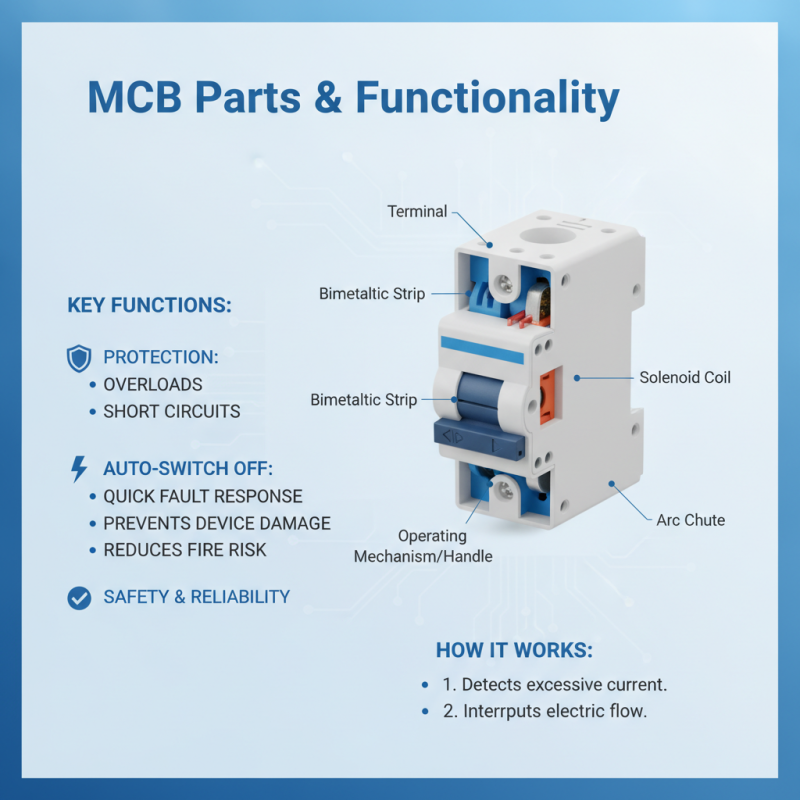
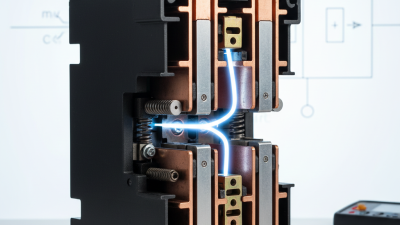
MCB parts, or miniature circuit breakers, play a crucial role in electrical systems. They help protect circuits from overloads and short circuits. When a fault occurs, these breakers automatically switch off the electric flow. This quick action prevents potential damage to electrical devices and reduces fire risks. MCBs ensure that your electrical installations are safe and reliable.
Understanding the functionality of MCB parts begins with their design. Each MCB consists of a switch and a mechanism that trips the switch when a fault exceeds a specified limit. These parts are calibrated for various current ratings and speeds of operation. Selecting the right MCB is essential. Factors such as the type of application and environment play significant roles in this decision-making process.
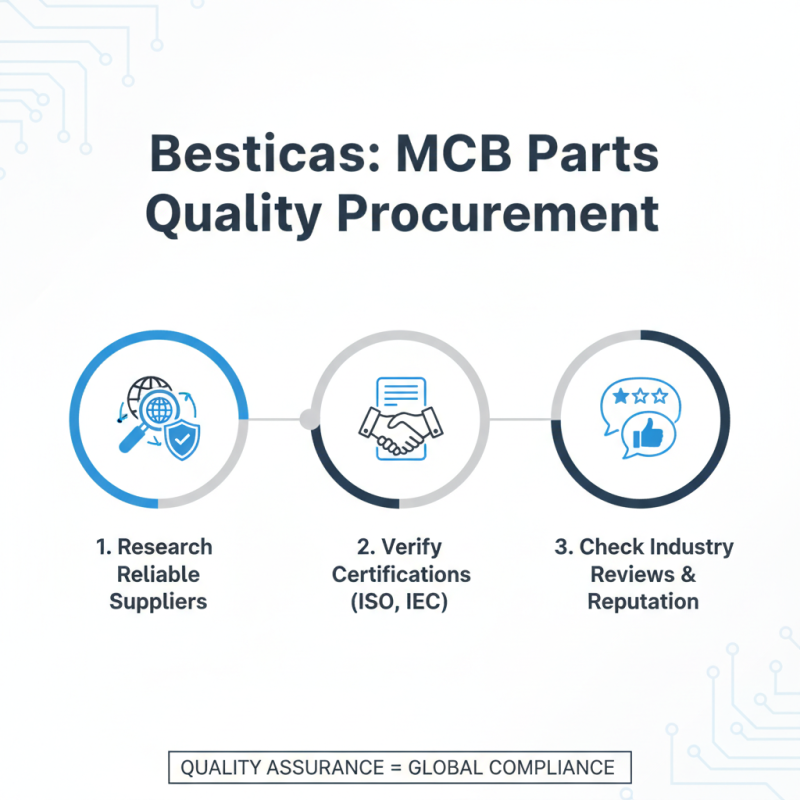
Sourcing MCB parts globally requires careful consideration. It's not just about finding the lowest price. Assessing quality and compliance with international standards is vital. Many suppliers may promise the best deals, but verification is key. Look for reputable suppliers with a track record of reliability. This approach can sometimes be complicated, but thorough research pays off.
Types of MCB Parts and Their Specifications
MCB parts, or miniature circuit breakers, are essential components in electrical systems. They function to protect circuits from overloads and short circuits. Understanding the types and specifications of MCB parts is vital for anyone involved in electrical installations or maintenance.
There are several types of MCB parts, with two primary classifications based on their trip characteristics: type B and type C. Type B breakers are designed for residential applications. They trip at 3-5 times the full load current. On the other hand, type C breakers handle inductive loads better, making them suitable for industrial applications. The global MCB market, valued at approximately $5 billion in 2021, is projected to grow significantly, driven by the demand for energy-efficient solutions.
Specifications of MCB parts include current ratings, breaking capacity, and number of poles. Common current ratings range from 6A to 125A. The breaking capacity, often measured in kiloamperes (kA), determines how much fault current the MCB can interrupt without damage. Selecting the right specifications can be challenging, particularly in complex systems. Some sources indicate that incorrect MCB specifications lead to failures in 10-15% of installations. Thus, proper sourcing and understanding are crucial, and reliance on accurate data is necessary for optimal performance.
Global Sourcing of MCB Parts: Type Distribution
Understanding the Global Supply Chain for MCB Parts
The global supply chain for Miniature Circuit Breaker (MCB) parts is complex and multifaceted. Sourcing MCB parts requires understanding various components like manufacturers, suppliers, and distributors. Each region has unique strengths, affecting production capabilities and costs. Countries with robust electrical manufacturing systems often produce high-quality components, but their availability can fluctuate.
Navigating this supply chain involves challenges. Language barriers, time zones, and regulatory differences can complicate communication. Ensure suppliers meet quality standards through audits or assessments. However, not all audits guarantee reliability. Some firms provide inconsistent information about their capabilities. Building relationships is essential, but trust takes time.
Evaluating global options might require balancing cost and quality. Cheaper components may not adhere to necessary safety regulations. Understanding the standards for MCB parts is crucial when sourcing from different markets. This process demands diligence and thorough research. It's important to remain flexible. Adapting sourcing strategies to market changes can lead to better outcomes in the long run.
What is Mcb Parts and How to Source Them Globally? - Understanding the Global Supply Chain for MCB Parts
| Part Type |
Country of Origin |
Quality Standards |
Average Lead Time (Days) |
Estimated Cost (USD) |
| MCB Type 1 |
China |
IEC 60898 |
30 |
5 |
| MCB Type 2 |
India |
IS 8828 |
25 |
6 |
| MCB Type 3 |
Germany |
DIN 61009 |
20 |
10 |
| MCB Type 4 |
USA |
UL 489 |
15 |
12 |
| MCB Type 5 |
Japan |
JIS C 8201 |
18 |
8 |
Key Considerations When Sourcing MCB Parts Internationally
When sourcing MCB (Miniature Circuit Breaker) parts internationally, understanding market dynamics is crucial. The global MCB market is expected to grow at a CAGR of 6.7% from 2021 to 2028, indicating strong demand. However, fluctuating raw material prices and tariffs can affect sourcing costs. Thorough market research helps in identifying reliable suppliers and estimating potential costs.
Compliance with international standards is vital. Different regions have varying certification requirements. For instance, European and North American markets demand specific safety standards. Engaging with credible suppliers who adhere to these regulations can prevent costly delays and returns. Evaluating product samples before bulk purchases is essential to ensure quality and compatibility.
Logistics is another area requiring careful consideration. Shipping costs and lead times can vary significantly depending on the source location. Choosing suppliers located closer to your operational base can reduce these costs. However, finding a balance between cost and quality is critical. Relying solely on price can lead to sourcing challenges. Investigating past records of suppliers can reveal insights into their reliability and service levels.