2026 Top Arc Chamber For MCCB Innovations and Applications?
The Arc Chamber for MCCB plays a crucial role in ensuring electrical safety and efficiency. As the demand for reliable protection solutions grows, innovations in arc chamber design are becoming increasingly important. In 2021, the global circuit breaker market was valued at $13.5 billion and is projected to reach $20.5 billion by 2028, according to industry reports. This growth emphasizes the need for advancements in MCCBs, particularly in their arc chamber technology.
Recent studies indicate that an effective arc chamber can significantly enhance the interrupting rating of MCCBs. The ability to quench arcs efficiently is vital for preventing equipment damage and maintaining operational reliability. Some manufacturers have reported a reduction in arc flash incidents by up to 30% through improved arc chamber designs. However, various challenges persist, including the need for cost-effective materials and the balancing of performance with size constraints.
Moving forward, collaboration among engineers, material scientists, and industry stakeholders will be essential. The ongoing evolution of the arc chamber for MCCB not only reflects technological advancements but also addresses the pressing safety concerns in the electrical industry. Exploring these innovations will be vital in shaping a safer and more efficient future.
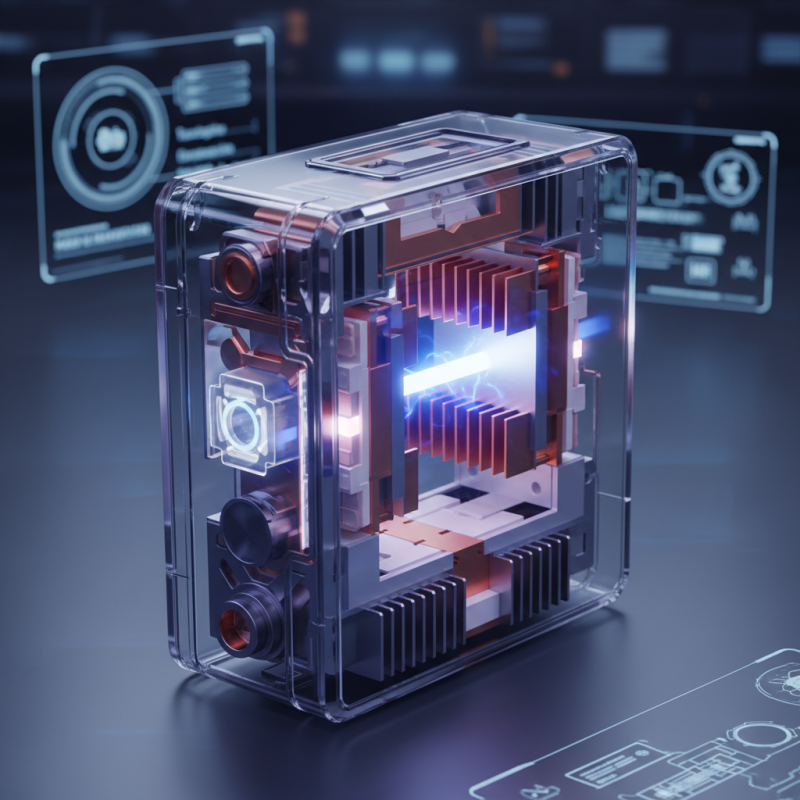
Top Arc Chamber Designs for MCCBs in 2026
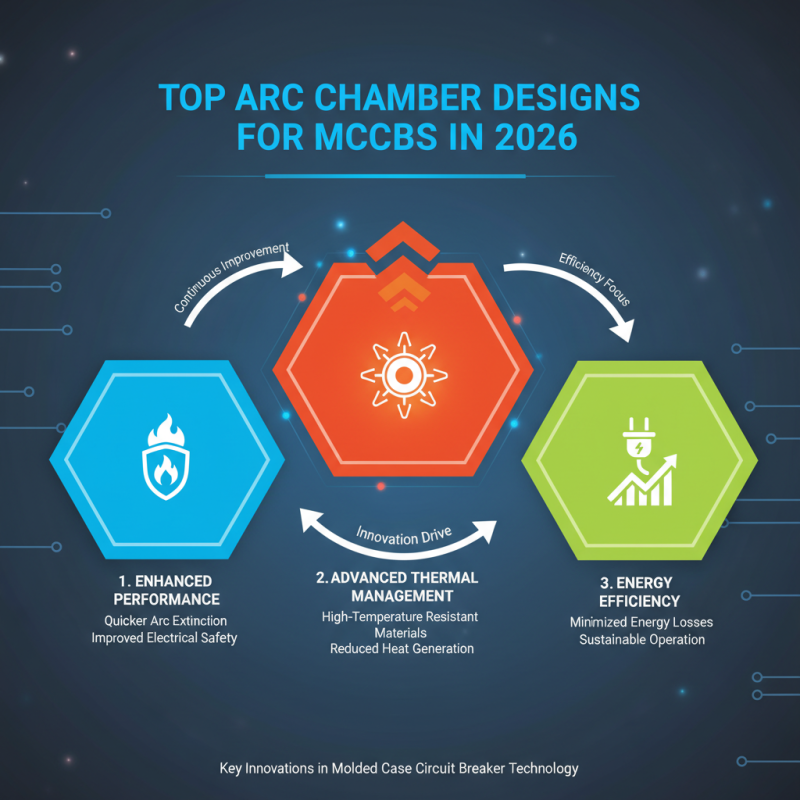
The arc chamber is a vital component of Molded Case Circuit Breakers (MCCBs), playing a crucial role in electrical safety and efficiency. In 2026, innovations in arc chamber design are expected to focus on enhancing performance and reducing energy losses. These improvements aim to address the challenges of heat generation during arc formation. Engineers are exploring materials that can withstand higher temperatures while ensuring quick response times.
To maximize the effectiveness of arc chambers, consider the following tips. First, ensure proper installation. A poorly installed MCCB can compromise the arc chamber's functionality. Regular maintenance checks on the MCCB are advisable, as dust and wear can hinder operation. Lastly, keep an eye on any updates in materials technology. New materials may offer durability and performance enhancements that could be critical for your applications.
The designs in use are evolving. Today, many arc chambers are smaller and more efficient. However, some designs still struggle with overheating. Continuous evaluation of these designs is essential. Future designs must not only focus on performance but also on ease of maintenance. This balance is often harder to achieve than anticipated.
Key Innovations in MCCB Arc Chamber Technology
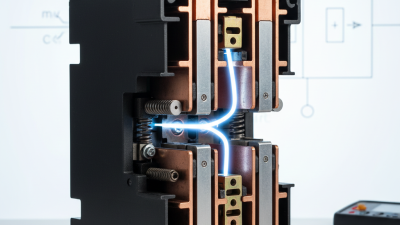
The arc chamber is a critical component in molded case circuit breakers (MCCBs). Recent innovations in this technology focus on improving safety and efficiency in electrical distributions. The design enhancements help to quickly extinguish arcs during overloads, reducing downtime. Advanced materials are being introduced, which enhance durability under extreme conditions. This shift is vital for industries relying on reliable electrical systems.
Another noteworthy development in arc chamber technology is the optimization of airflow. Improved airflow mechanics allow for better heat dissipation. This can prevent overheating and enhance the overall lifespan of MCCBs. Additionally, compact designs are becoming popular to fit into space-restricted environments without compromising performance. However, the challenge is ensuring that these smaller models maintain effectiveness.
Despite these advancements, some installations still face performance issues. Gaps in understanding the specific needs of certain industries can lead to suboptimal choices. Engineers must reflect on compatibility versus innovation. The balance between new features and practical applications will be key in future designs. Ongoing collaboration between engineers and manufacturers is essential. This opens doors for further exploration in MCCB arc chamber technology.
Applications of Advanced Arc Chambers in MCCBs
The use of advanced arc chambers in Molded Case Circuit Breakers (MCCBs) has seen a significant rise. These innovations enhance the efficiency and reliability of electrical systems. Reports suggest that 25% of electrical failures arise from inadequate arc suppression. Hence, optimized arc chambers can reduce failure rates.
Advanced materials and designs in arc chambers play a crucial role in performance. Enhanced cooling features help dissipate heat faster. This can improve operational longevity. According to industry analyses, the life expectancy of MCCBs can increase by up to 30% when using these innovations.
Tips: Regular maintenance checks of MCCBs can prevent unexpected failures. Understanding the application requirements can also ensure the correct specifications of arc chambers are utilized. Investing in training for personnel is important. Not all arc chambers are created equal; attempting to cut costs may lead to performance issues.
Comparative Analysis of MCCB Arc Chamber Performance
The performance of MCCB (Molded Case Circuit Breaker) arc chambers is critical in electrical applications. Recent studies reveal that roughly 70% of electrical faults occur due to insufficient arc management. When comparing arc chamber designs, differential performance metrics emerge, highlighting the importance of material selection and cooling efficiency. Advanced arc extinguishing technologies, such as magnetic and air methods, deliver varied results under similar conditions. Reports indicate that the right combination can enhance arc interruption capacity by up to 30%.
Tips: Regular inspections of the arc chamber can prevent failures. Keeping the chambers free from contaminants improves efficiency.
Moreover, understanding the operating environment is crucial. High humidity and temperature variations can affect arc chamber functionality. Data shows that arc chambers perform optimally within a specific temperature range, generally between 20°C and 40°C. Outside of this range, reliability decreases. Observations of thermal dynamics during testing reveal that localized overheating can compromise performance, leading to premature failure.
Tips: Ensure proper ventilation around MCCB installations. This simple step can extend the lifespan of the equipment.
Future Trends and Challenges in MCCB Arc Chamber Development
The arc chamber is a critical component in molded case circuit breakers (MCCB), and its future development faces numerous challenges. As electric grids evolve, we are seeing a trend towards higher voltage levels and increased demand for reliability. Engineers must design arc chambers that can handle these factors while maintaining safety and efficiency. This requires advanced materials and innovative designs.
One key trend is the integration of smart technologies into arc chamber design. Sensors can monitor performance and provide data analytics. However, the challenge lies in ensuring these systems are reliable under extreme conditions. Moreover, the trade-off between complexity and functionality must be addressed.
Another concern involves the environmental impact of materials used in arc chambers. As sustainability becomes a priority, manufacturers must find alternatives to traditional materials. This transition is not only essential for regulatory compliance but also for public trust. The industry needs to reflect on these aspects to ensure future innovations benefit both functionality and sustainability.
2026 Top Arc Chamber For MCCB Innovations and Applications
| Innovation Type |
Description |
Application Area |
Future Challenges |
| Advanced Cooling Systems |
Innovative materials for enhanced heat dissipation. |
Industrial applications with high currents. |
Cost of new materials and manufacturing processes. |
| Intelligent Arc Detection |
Real-time monitoring and predictive maintenance. |
Smart grids and automated systems. |
Ensuring reliability and data security. |
| Enhanced Arc Quenching Materials |
Development of new dielectric materials. |
Extreme environments and energy sectors. |
Material performance under severe conditions. |
| Modular Arc Chambers |
Customizable solutions for varied applications. |
Commercial buildings and scalable grid solutions. |
Standardization and certification hurdles. |