Top 10 MCCB Electrical Features You Should Know About?
Understanding the features of MCCB electrical devices is essential for anyone involved in electrical projects. MCCB stands for Molded Case Circuit Breaker. This crucial component protects electrical circuits in various settings. Knowing its key features can enhance safety and efficiency.
In this guide, we explore ten important aspects of MCCB electrical devices. Each characteristic plays a pivotal role in circuit protection. From interrupting capacity to thermal protection, these features impact performance. You'll find insights that can elevate your knowledge and application of MCCB electrical devices.
While the information presented is comprehensive, it’s also vital to recognize areas for improvement. Often, users overlook the importance of specific ratings and installation considerations. Understanding your device’s limitations is equally crucial as knowing its strengths. Stay informed and ensure your systems function reliably and safely.

Top 10 Key Features of MCCBs: An Overview for Electrical Professionals
Molded Case Circuit Breakers (MCCBs) play a crucial role in electrical systems. Understanding their key features can help professionals make informed choices. MCCBs offer adjustable trip settings, which enhance protection and allow customization for different applications. This flexibility is vital for various industrial environments.
Another valuable feature is their ability to provide overload protection. This prevents damage to equipment by interrupting excessive currents. In addition, MCCBs achieve short-circuit protection, which further safeguards electrical circuits. The integration of thermal and magnetic mechanisms enhances reliability and predictability in operation.
Furthermore, a resettable mechanism allows easy restoration after a fault. However, some users may overlook maintenance. Regular checks are essential for optimal performance. It’s also worth noting that not all MCCBs are the same; their specifications can vary widely. Selecting an appropriate MCCB involves considering factors like the load type and environmental conditions.
Top 10 MCCB Electrical Features You Should Know About
This chart illustrates the top ten key features of Molded Case Circuit Breakers (MCCBs) that are vital for electrical professionals to understand. Each feature is displayed alongside its relative importance based on common industry standards.
Understanding the Operating Principles of Molded Case Circuit Breakers
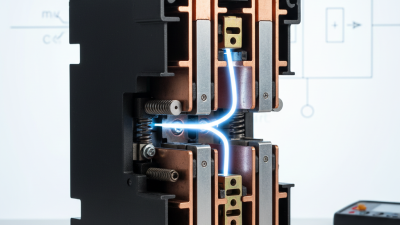
Molded Case Circuit Breakers (MCCBs) serve a crucial function in electrical systems. Understanding their operating principles is key for safety and efficiency. An MCCB protects circuits by interrupting excessive currents. This mechanism prevents overheating and potential damage. It's designed with thermal and magnetic trip elements. These two elements work together to sense overloads and short circuits.
When a fault occurs, the thermal element reacts to prolonged overloads. It uses a bimetallic strip that bends with heat. This bending action moves a lever, opening the circuit. The magnetic trip serves a different purpose. It acts instantly, responding to high short-circuit currents. A current that exceeds the preset level creates a magnetic field. This field forces the circuit open immediately, minimizing damage.
MCCBs also offer adjustable settings for trip levels. Users can fine-tune the operation based on specific needs. However, not all users understand these adjustments fully. Incorrect settings might lead to nuisance tripping or inadequate protection. Frequent maintenance checks are essential. Recognizing these elements ensures better reliability. Users must remain informed and cautious about their electrical systems.
Comparative Analysis: MCCB Ratings and Their Impact on System Design
When comparing MCCB ratings, understanding their impact on system design is crucial. The ratings, often expressed in amps, define the maximum current a motor circuit can carry before tripping occurs. According to industry reports, an MCCB with a rating of 800 amps can prevent nuisance tripping in larger motors, improving system reliability. This benefit becomes significant in sectors like manufacturing, where consistent uptime is critical.
MCCBs play a vital role in energy management. A well-chosen rating not only enhances safety but also contributes to energy efficiency. Systems with mismatched ratings can lead to both safety risks and increased costs. Research indicates that a properly rated MCCB can reduce energy waste by up to 15%. This is a substantial savings opportunity for industries operating in high-energy environments.
Designers must consider the rated breaking capacity of MCCBs as well. This determines how much short-circuit current they can interrupt. Selecting an inadequate rating may have serious implications. If an MCCB fails to interrupt a fault, equipment damage and downtime will increase. Regular reviews of MCCB performance and ratings in accordance with system needs are essential. They reflect our responsibility for both operational safety and energy stewardship.
Significance of Short-Circuit Protection in MCCB Applications
Short-circuit protection is vital in MCCB applications. A short circuit can cause severe damage to electrical systems. It leads to overheating and can create fire hazards. Thus, understanding the significance of this protection is crucial for safe operations in commercial and industrial settings.
MCCBs, or Molded Case Circuit Breakers, are engineered to prevent such disasters. They automatically disconnect the circuit when a fault occurs. This feature helps to protect both equipment and personnel from potential dangers. Organizations must prioritize training on this feature to ensure proper usage. Regular maintenance checks can also enhance the reliability of these devices.
Tips: Always inspect your MCCB for signs of wear or damage. Regular testing of the trip function is a proactive measure. Consider developing a schedule for these checks to maintain optimal safety levels. Combining awareness with action will ensure a safer work environment.
Latest Innovations in MCCB Technology: Enhancements and Trends
The latest innovations in Molded Case Circuit Breakers (MCCBs) reflect significant advancements in technology. One key enhancement is the integration of smart features. These features allow real-time monitoring and diagnostics, enabling proactive maintenance. Users can track performance metrics and identify potential issues early. This shift leads to improved reliability and reduced downtime in electrical systems.
Another notable trend is the increased emphasis on energy efficiency. New MCCBs incorporate design improvements that minimize energy losses. This is essential for organizations aiming to reduce their carbon footprint. Additionally, improved insulation materials enhance performance in harsh conditions. However, some users might still face challenges during installation and configuration.
Moreover, advancements in user interfaces are changing how operators interact with these devices. Touchscreens and mobile connectivity are becoming common. This can be overwhelming for some technicians, especially those accustomed to traditional systems. Continuous training may be necessary to ensure a smooth transition. With these innovations, the landscape of MCCBs is evolving, promising enhanced functionality and potential hurdles in adaptation.