Understand Rcbo Breaker Benefits and Tips for Buyers?
In today's electrical market, understanding the benefits of an Rcbo Breaker is crucial for both consumers and professionals. James Anderson, an industry expert with over 15 years of experience, states, “An RCBO offers protection against current leakage and overload, making it essential for safety.” This highlights the value of integrating Rcbo Breakers into residential and commercial electrical systems.
With increasing reliance on electrical devices, ensuring safety in your electrical installations is non-negotiable. An Rcbo Breaker not only protects circuits from short circuits and overloads but also prevents potential electric shocks. Yet, many buyers remain unaware of how to choose the right Rcbo Breaker. Making a hasty decision may lead to installing an inadequate unit, compromising safety.
Investing time in understanding Rcbo Breaker specifications can save you much trouble later. Look for features like current ratings and trip characteristics that match your needs. Reflect on your electrical consumption patterns, and don't hesitate to consult professionals. An informed purchase ensures not just compliance with safety standards but also peace of mind.
What is an RCBO Breaker and Its Functions?
An RCBO (Residual Current Circuit Breaker with Overcurrent Protection) combines two essential functions: earth leakage protection and overcurrent safety. In essence, it detects abnormal currents that could lead to electric shocks or fires due to faults. According to the Electrical Safety Foundation International, approximately 70% of electrical accidents are preventable with proper circuit protection devices. The dual nature of an RCBO makes it a preferred choice for modern electrical installations.
When selecting an RCBO, consider the application. Different environments may have varying requirements. For instance, a residential setting might need less sensitive devices compared to commercial sites. Remember that installation matters too. A poorly installed RCBO can reduce its effectiveness. Ensure a qualified professional conducts the wiring.
To maximize the benefits of an RCBO, regularly test it. Many manufacturers recommend monthly testing to ensure it functions correctly. This simple step can save lives and property. Keeping an RCBO in check can prevent potential electrical hazards. Don't overlook the placement of testing buttons; they should be accessible and known to all users.
Key Advantages of Using RCBO Breakers in Electrical Systems
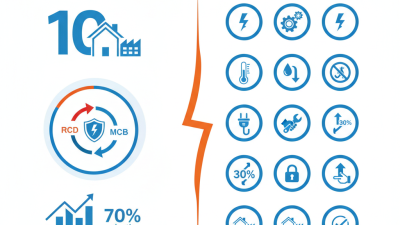
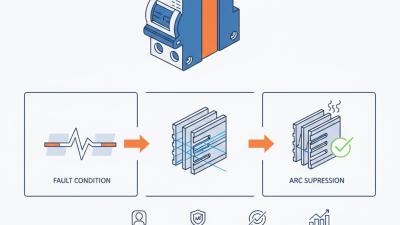
RCBO breakers are essential in modern electrical systems. They combine the functionalities of an RCD and MCB, providing protection against both earth faults and overloads. This dual protection is crucial for enhancing electrical safety in homes and commercial buildings. For example, during a fault, the RCBO quickly disconnects the circuit, reducing the risk of electric shock or fire.
The use of RCBOs can lead to significant energy efficiency. By isolating sections of the electrical system, they prevent unnecessary interruptions. This means that only the affected circuit will trip, maintaining power in other areas. However, users must be mindful of their ratings. Choosing the wrong rating can lead to either nuisance tripping or insufficient protection.
Installation requires expertise as it must comply with local electrical codes. Mistakes in installation can undermine the benefits of RCBOs. It's important to consult with a qualified electrician to ensure proper setup. While RCBOs offer extensive protection, regular testing and maintenance are necessary for optimal performance. These practices ensure reliability in critical situations.
Differences Between RCBOs and Other Circuit Protection Devices
When discussing circuit protection devices, understanding the differences between RCBOs and other options is crucial. RCBOs, or Residual Current Circuit Breakers with Overcurrent Protection, serve a dual purpose. They protect against earth faults and overloads. This makes them a popular choice for modern electrical installations. Their ability to simultaneously prevent electric shocks and overloads offers superior safety compared to traditional circuit breakers.
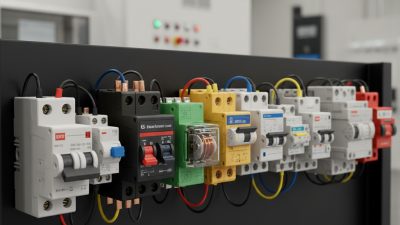
In contrast, standard MCBs (Miniature Circuit Breakers) only protect against overloads and short circuits. They do not provide earth fault protection, leaving users vulnerable to potential hazards. RCDs (Residual Current Devices), on the other hand, focus solely on earth leakage. However, they lack overcurrent protection, which is essential in many scenarios. This lack of dual functionality is a limitation that RCBOs effectively overcome. Buyers often need to consider these distinctions carefully when selecting circuit protection for their homes or businesses.
While RCBOs present clear benefits, they may also require more complex installation due to their dual function. This complexity can lead to confusion for some buyers. Moreover, they tend to be more expensive than MCBs and RCDs. A buyer must weigh these costs against the level of protection needed. Understanding these nuances helps ensure informed decisions that enhance overall safety.
Essential Tips for Choosing the Right RCBO for Your Needs
When selecting the right Residual Current Circuit Breaker with Overcurrent protection (RCBO), understanding your specific needs is crucial. An RCBO not only protects against electrical faults, but also prevents overloads. According to industry reports, RCBOs can reduce the risk of electrical fires by up to 80%. This statistic underlines the importance of choosing a reliable unit.
Consider the rated current and the sensitivity of the device. Common ratings range from 6A to 63A, catering to different applications. It’s essential to match the RCBO to the expected load. A miscalculation can lead to nuisance tripping. Additionally, sensitivity levels usually range from 30mA to 300mA, with lower thresholds providing better protection for human safety, especially in domestic settings.
Installation location matters too. An outdoor environment may require a weatherproof design. Pay attention to the IP rating for moisture and dust protection. Not all RCBOs are created equal in these aspects. Sometimes, installation guidance is unclear, which raises concerns. Consulting with a certified electrician can help. This collective expertise will ensure the safety and efficiency of your electrical system.
Installation and Maintenance Best Practices for RCBO Breakers
When it comes to installing and maintaining RCBO breakers, following best practices is crucial. A poorly installed RCBO can lead to safety hazards and malfunction. According to the Electrical Safety Foundation International, improper installation contributes to nearly 30% of electrical failures. Ensuring that the RCBO is calibrated correctly to match the load of the circuit is essential. This often requires precise settings, which many users overlook. Understanding the specifications of your electrical system can greatly enhance performance.
Regular maintenance is another key aspect. It's advisable to inspect RCBO breakers at least once a year. Dust and moisture can affect their performance. A study by the Institute of Electrical and Electronics Engineers indicates that neglecting routine maintenance can decrease the lifespan of breakers by up to 20%. Checking for signs of wear or damage can prevent costly repairs down the line. User awareness is essential; being attentive to strange sounds or flickering lights can signal underlying issues.
Moreover, educating oneself about the characteristics of RCBOs can prove beneficial. Certain nuances, such as how to reset these devices safely, often elude users. Taking the time to familiarize oneself with the operation manual can provide insights into optimal usage, yet many neglect this step. Direct experience, coupled with a solid understanding of installations and upkeep, can significantly enhance safety and reliability.
Benefits of RCBO Breakers