How to Choose the Right Circuit Breaker for Your Needs?
Choosing the right circuit breaker is essential for home safety and electrical efficiency. Circuit breakers play a crucial role in protecting your electrical systems from overloads and short circuits. Selecting the appropriate type and size can be a daunting task, but understanding key factors will simplify the process.
Many people underestimate the importance of a circuit breaker. An improperly chosen breaker can lead to safety hazards and costly repairs. Knowing your specific electrical needs is vital. This includes considering the appliances you use and their power ratings. Adequate research can prevent future issues and ensure reliable operation.
In today's world, circuit breakers come in various types, including standard, GFCI, and AFCI. Each serves a unique purpose. Acknowledging these differences is crucial for an effective decision. One must reflect on their wiring age and condition, which can significantly influence breaker selection. Don't let this choice overwhelm you. Embrace the opportunity to learn and make an informed decision.
Understanding Circuit Breakers: Types and Functions
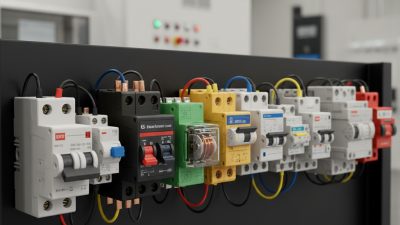
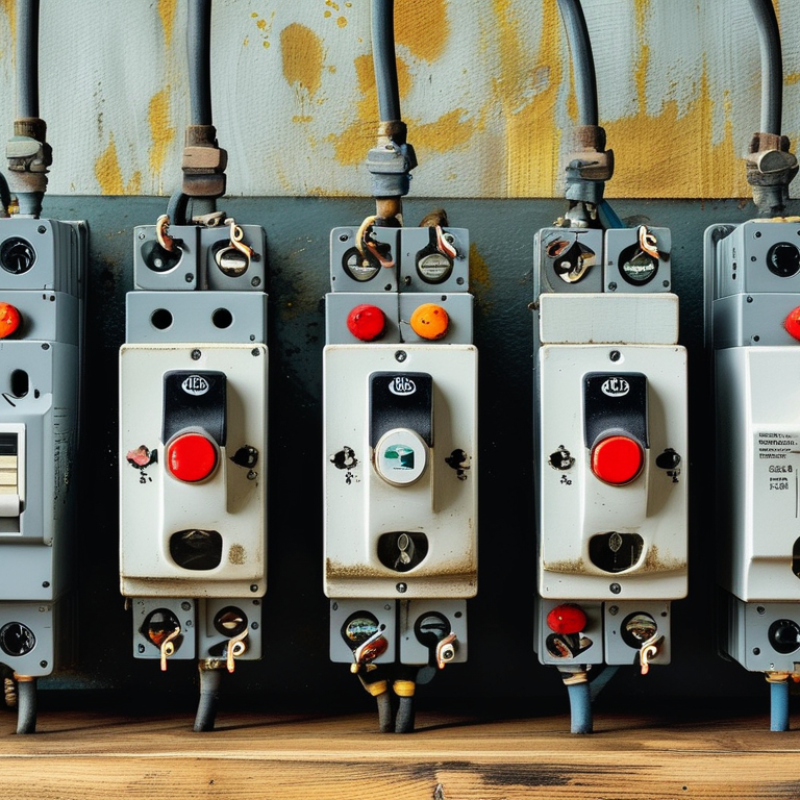
Circuit breakers are essential devices in any electrical system. They protect circuits from overloads and short circuits. Understanding the types of circuit breakers can help you make informed choices. There are mainly two types: miniature circuit breakers (MCBs) and residual current circuit breakers (RCCBs). MCBs focus on overload protection. They trip when the current exceeds a certain limit. RCCBs, on the other hand, detect earth faults. They prevent electric shocks by cutting off the power supply.
The functions of these circuit breakers vary widely. MCBs serve homes and light commercial areas. They ensure that circuits do not draw too much current. RCCBs are crucial in areas with water exposure. They provide a safety net against electrical accidents. You must consider the load and environment when choosing. Sometimes, a combination of both types offers the best protection. If unsure, consult an expert to evaluate your specific needs. Proper installation is also vital; mistakes can lead to serious consequences.
Factors to Consider When Choosing a Circuit Breaker
Choosing the right circuit breaker often feels overwhelming. Various factors impact the decision-making process. One major aspect is the type of circuit breaker. Residential, commercial, or industrial uses require different specifications. Understanding your specific needs helps narrow down your options.
Another key consideration is the breaker's amperage rating. This rating must match the electrical load of your home or business. An undersized breaker can trip frequently, causing inconvenience. On the other hand, an oversized breaker poses risks of electrical hazards. Evaluating your daily electrical usage can lead to a better match.
Physical characteristics matter too. The physical size of the breaker must fit within your panel. Some homes may have limited space, requiring compact designs. Additionally, look into features like surge protection. While this may increase costs, it can prevent potential damages. Reflect on how often you upgrade or expand your electrical usage. Your choice should consider not just current needs but future demands as well.
How to Choose the Right Circuit Breaker for Your Needs
The following chart illustrates the key factors to consider when selecting a circuit breaker, including current rating, interrupting capacity, and voltage rating. Proper understanding of these dimensions will aid in making an informed decision.
How to Determine the Right Amperage Rating
Choosing the right circuit breaker begins with determining the correct amperage rating. This rating is crucial for ensuring safety and efficiency in any electrical system. According to the National Electrical Code (NEC), circuit breakers should be rated to carry a load at 80% of their capacity for continuous use. For instance, a 20-amp breaker should not exceed 16 amps continuously. Understanding this concept can prevent overheating and potential fire hazards.
Consider your specific electrical needs. Residential settings typically require breakers with amperage ratings ranging from 15 to 50 amps. An established guideline recommends assessing the cumulative amperage of all devices connected to a circuit. Sometimes, users underestimate their needs, leading to breaker tripping. Surveys reveal that over 30% of residential circuits are incorrectly sized. This emphasizes the importance of precise calculations.
Capacity alone isn’t the only factor. Environmental conditions are also impactful. Breakers exposed to high temperatures can perform differently. Reliability can diminish in varying conditions. Therefore, taking into account local climate factors can enhance the choice of circuit breaker. Data indicates that understanding these nuances can lead to more resilient electrical systems. Being mindful of all these elements can help in making informed decisions.
Evaluating Environmental Conditions for Circuit Breaker Selection
Choosing the right circuit breaker involves evaluating environmental conditions. Common factors include temperature, humidity, and potential exposure to dust or moisture. For instance, a report by the National Electrical Manufacturers Association (NEMA) indicates that 30% of equipment failures are linked to improper environmental considerations.
Humidity can influence the circuit breaker's performance. In humid areas, choose breakers designed for moisture resistance. Dust can create short circuits, so in dusty environments, opt for sealed units. Ensure the breaker meets the relevant NEMA rating for the environment you’re in.
When assessing temperature, the operational range of the circuit breaker is crucial. Breakers can trip if the ambient temperature exceeds their rated capacity. According to a study by the IEEE, 15% of malfunctioning circuits were due to temperature-related issues. Regularly monitor environmental conditions to avoid costly failures.
Be aware of any potential challenges in your specific environment. Sometimes, industry standards may not fully address unique situations. Consult with professionals when making decisions to ensure reliability and safety.
Installation Tips and Maintenance for Circuit Breakers
When installing a circuit breaker, it's crucial to follow safety protocols. Begin by turning off the main power supply. This reduces the risk of electrocution. Ensure that the breaker is compatible with your electrical system. Sampling different breaker sizes helps understand your needs better.
Regular maintenance is essential for the longevity of a circuit breaker. Check for signs of wear, such as discoloration or unusual noises. Dust accumulation can impact performance. A clean environment allows for better functionality. Always consult an electrical expert if unsure.
It’s easy to overlook installation details. Improper wiring can lead to circuit failure. Testing the breaker after installation is a wise choice. Many people neglect this step, assuming everything works. Make it a routine to inspect your breaker annually for optimal performance.