Best Mcb Circuit Breaker for Reliable Electrical Safety?
When it comes to electrical safety, choosing the best MCB circuit breaker is crucial. A reliable MCB circuit breaker can protect your home and equipment from electrical faults. These devices can prevent fires and equipment damage by interrupting the electrical flow during an overload or short circuit.
Investing in a high-quality MCB circuit breaker enhances your electrical system's safety. It’s important to evaluate the options available. Many factors contribute to their effectiveness, including the rated current and trip characteristics. Understanding these elements is vital. Not all MCB circuit breakers are created equal, and sometimes, manufacturers may be vague about specifications.
Every home deserves dependable electrical protection. Do not compromise on safety. Assessing MCB circuit breakers should involve attention to detail and expert recommendations. In a world where electrical issues can lead to dire consequences, being informed empowers homeowners to make better choices. By examining your options carefully, you can ensure that the selected MCB circuit breaker is both effective and suited to your needs.
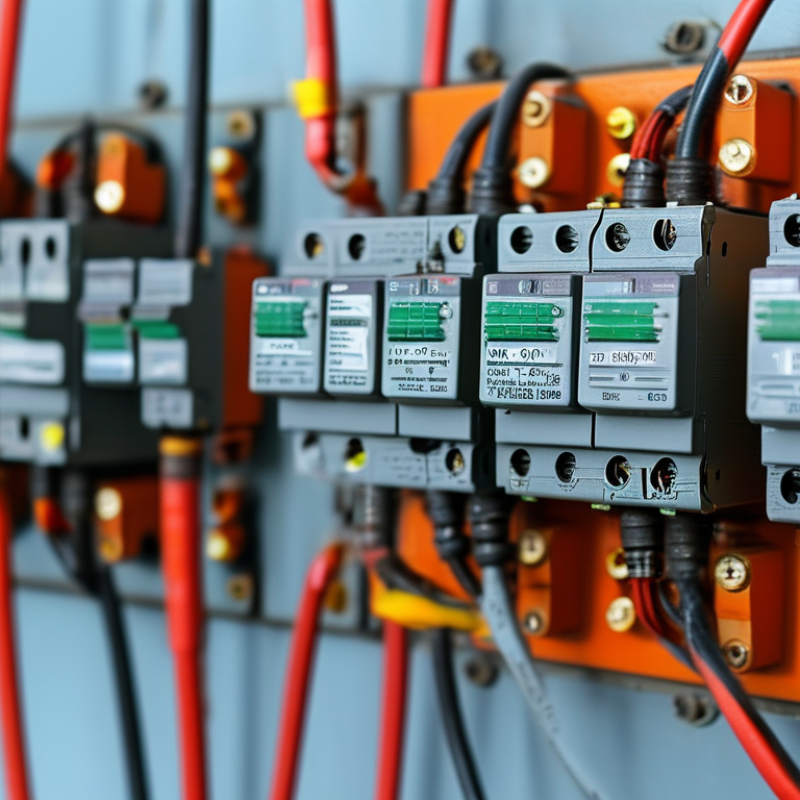
Best MCB Circuit Breakers: Overview of Types and Features
When it comes to electrical safety, MCB (Miniature Circuit Breaker) circuit breakers are essential. They protect both devices and people from overloads and short circuits. Understanding the types of MCBs available helps ensure reliable safety. There are several types, including Type B, C, and D. Each serves different applications based on the current characteristics of electrical circuits.
MCBs also come with various features that enhance their functionality. For instance, some have an enhanced sensitivity for residential settings. This means they trip quicker under specific fault conditions. Others are designed for industrial use, handling larger currents. The choice largely depends on the specific requirements of the electrical system.
It's critical to consider that installation flaws can lead to inefficiency. Proper alignment and connection to the circuit are necessary for optimal performance. Oversizing can sometimes cause nuisance tripping. Users should reflect on these aspects when choosing an MCB. Selecting the correct type ensures both safety and convenience in daily operations.
Best Mcb Circuit Breaker for Reliable Electrical Safety? - Best MCB Circuit Breakers: Overview of Types and Features
| Type |
Current Rating (A) |
Poles |
Tripping Curve |
Applications |
Features |
| MCB Type B |
6 - 32 |
1, 2, 3 |
B (3-5 In) |
Lighting and General Power |
Quick response, less nuisance tripping |
| MCB Type C |
10 - 63 |
1, 2, 3 |
C (5-10 In) |
Motors, Distribution Boards |
Handles inrush currents, protects against overload |
| MCB Type D |
12 - 100 |
1, 2, 3 |
D (10-20 In) |
Heavy Machinery, Transformers |
High inrush tolerance, robust performance |
| MCB Type K |
6 - 32 |
1, 2, 3 |
K (8-12 In) |
Transformers, Inductive Loads |
Good for protecting small motors and transformers |
| MCB Type Z |
0.5 - 6 |
1 |
Z (1.5-3 In) |
Sensitive Equipment, Lighting |
Ultra-sensitive protection against overload |
Importance of MCBs in Electrical Safety and Compliance Standards
Miniature Circuit Breakers (MCBs) play a crucial role in ensuring electrical safety. They automatically disconnect circuits during overload or short circuit conditions. This prevents potential electrical fires and protects both equipment and personnel. According to a report by the International Electrotechnical Commission (IEC), faulty electrical installations can lead to over 30% of all fire incidents globally. Proper MCB usage significantly reduces these risks.
Compliance with standards is vital. The IEC has set specific guidelines regarding MCB performance. These guidelines ensure that MCBs can effectively handle fault conditions without delay, providing a reliable safety mechanism. Regular testing and maintenance of MCBs are also essential. Data from the Electric Power Research Institute (EPRI) suggests that 15% of MCBs fail to operate correctly during testing, which can lead to severe consequences.
Despite their effectiveness, challenges remain. Users often overlook the importance of choosing the right MCB for particular applications. MCBs are not one-size-fits-all solutions. Installing the wrong type can compromise safety and compliance. Continuous education on MCB specifications and regular inspections are necessary. This proactive approach can help mitigate risks and enhance overall safety in electrical systems.
Best MCB Circuit Breaker for Reliable Electrical Safety
Analysis of Current Ratings and Their Impact on Performance
Choosing the right Miniature Circuit Breaker (MCB) involves careful analysis of current ratings. Current ratings determine how well an MCB functions under stress. According to the National Electrical Manufacturers Association (NEMA), MCBs commonly range from 6A to 125A. Selecting an appropriate rating ensures reliable performance and safety in various electrical systems.
It’s important to understand that underestimating the required current can lead to nuisance tripping. For instance, a circuit rated for 10A may trip frequently if it experiences surges from appliances drawing more power momentarily. Conversely, oversizing an MCB can reduce its effectiveness in detecting potential faults. Balancing these ratings is crucial for optimal circuit protection.
Tip: Always consider the total load when selecting an MCB. Get an accurate load calculation from a professional to avoid complications.
In performance analysis, the ambient temperature is another critical factor. Higher temperatures can affect an MCB’s functionality and tolerance. A study by the International Electrotechnical Commission (IEC) reveals that heat might reduce the operational capacity by up to 20%. If your electrical environment is warmer, selecting an MCB with a higher rating can mitigate this effect—keeping your installations safe.
Tip: Regularly check your MCBs for signs of wear or damage, ensuring ongoing safety and reliability.
Key Manufacturers and Their Market Position in MCBs
When examining the market for miniature circuit breakers (MCBs), three main manufacturers dominate the industry. They lead in technology and innovation, giving them an edge in performance and reliability. Data from industry reports indicate that the global MCB market is projected to grow at a CAGR of 6.8% from 2023 to 2030. This highlights the increasing demand for efficient electrical safety solutions.
The key players have made significant investments in research and development. This ensures their products meet the latest safety standards. Research shows that about 70% of electrical failures are due to outdated or low-quality circuit breakers. Companies in the top positions emphasize the importance of high-performance materials and advanced designs. This helps reduce malfunction risks and enhances user confidence in electrical systems.
Additionally, customer feedback reveals some areas needing improvement. While most manufacturers excel in product reliability, many users report issues with after-sales support. A satisfied customer experience remains crucial in this competitive landscape. Market trends indicate that companies focusing on better customer service may gain a substantial advantage. Enhanced support can be a deciding factor for consumers when choosing MCBs.
Installation Guidelines and Best Practices for MCB Usage
When installing MCBs, safety is paramount. Ensure the electrical panel is de-energized before starting. Verify the power is off using a voltage tester. This precaution prevents accidents during installation.
Choose the correct MCB rating based on your circuit's requirements. Overloading can lead to tripping or even damage to appliances. It's essential to calculate the total load accurately. MCBs are not one-size-fits-all; size matters greatly.
Grounding is crucial for safe operation. A poorly grounded system can lead to electrical shock risks. Regularly inspect connections for wear and tear. Loose wires can create dangerous conditions. Listen to your instincts and check if something feels off. Always prioritize safety over convenience.