2026 Best Arc Chute For MCCB Solutions for Global Buyers?
The demand for efficient and reliable solutions in electrical distribution is growing. One crucial component in this sector is the Arc Chute for MCCB (Molded Case Circuit Breaker). Renowned expert in electrical safety, Dr. James Carter, emphasizes, "A well-designed arc chute can significantly enhance the safety and performance of MCCBs."
The Arc Chute for MCCB plays a vital role in protecting against electrical faults. These components manage arc events during circuit interruptions. Poorly designed arc chutes can lead to failures in safety. Understanding their functionality is essential for global buyers.
Quality is paramount in choosing the right Arc Chute for MCCB. Buyers need to consider materials, design, and manufacturer reputation. Mistakes in selection can lead to costly issues. Thus, a thorough evaluation of options is crucial. Striking the right balance between cost and reliability leads to informed decisions.
Overview of Arc Chute Technology for MCCB Applications
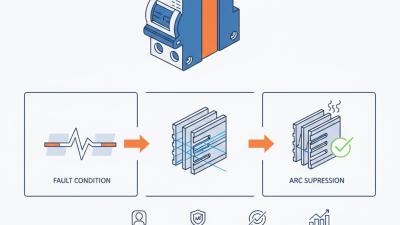
Arc chute technology plays a pivotal role in the functioning of Molded Case Circuit Breakers (MCCBs). Its primary purpose is to arrest electrical arcing that occurs during circuit interruptions. By efficiently controlling the arc, these devices can protect systems from potential damage. The design of arc chutes allows the arc to be elongated, cooled, and eventually extinguished. This process is crucial in maintaining the device's longevity.
A careful understanding of arc chute technology is essential for engineers. The flow of current creates intense heat, and the materials used in the arc chute must withstand this. Different configurations can enhance performance, yet each design comes with its trade-offs. For instance, a more complex design may offer better cooling but could lead to increased manufacturing costs. Balancing performance and economy becomes crucial for global buyers.
The reliability of arc chutes impacts overall system safety. Engineers often face challenges in selecting the right technology due to evolving demands and standards. While advancements continue to emerge, not every innovation proves practical. Ultimately, a thorough evaluation of specific applications will guide professionals in making informed decisions. Understanding both the strengths and limitations of arc chute technology is key for effective MCCB solutions.
Key Features of the Best Arc Chutes for Global Markets
Arc chutes are essential components in molded case circuit breakers (MCCBs). They help manage arc faults effectively, ensuring safe and reliable operation. In global markets, the best arc chutes possess several key features. These include high thermal resistance and superior arc extinguishing capabilities. According to industry reports, products with effective arc chutes can significantly reduce equipment failures. This enhancement leads to lower downtime and maintenance costs.
Understanding the material composition is crucial. Many top-performing arc chutes utilize composite materials. These materials contribute to durability and excellent thermal management. Research suggests that devices designed with optimal airflow patterns improve arc suppression efficiency. Innovating in the design of arc chutes can address the increasing demand for safety in electrical systems.
When choosing arc chutes, consider the operating environment. Factors like ambient temperature and humidity can impact performance. Regular assessments can help determine if existing solutions remain adequate. Manufacturers should strive to improve their designs continually. This reflection on existing products can lead to more effective solutions. Ensure ongoing training for technicians can enhance knowledge on handling arc chutes. Investing in education provides value to both users and manufacturers.
2026 Best Arc Chute For MCCB Solutions for Global Buyers
| Feature |
Description |
Material |
Primary Application |
Market Availability |
| High Temperature Resistance |
Designed to withstand high temperatures generated during arc extinguishing. |
Ceramic Composite |
MCCB (Molded Case Circuit Breakers) |
Global |
| Durability |
Built to last under harsh conditions and repeated operations. |
Polymer Blend |
Industrial Applications |
North America, Europe |
| Easy Installation |
Designed for easy and quick installation in various circuit breaker models. |
Metallic Frame |
Electrical Panels |
Asia, Australia |
| Arc Quenching Efficiency |
Optimized for maximum efficiency in arc extinguishing. |
High-Grade Carbon |
Power Distribution |
Worldwide |
| Custom Sizes |
Available in various sizes to fit different MCCB models. |
Nylon Composite |
Electrical Engineering |
Global |
Comparison of Leading Brands in Arc Chute Solutions
The demand for arc chutes in molded case circuit breakers (MCCBs) is increasing. Buyers seek effective solutions to manage electrical arcs. Understanding the leading brands in arc chute technology provides valuable insight. Each brand presents unique features tailored for different applications.
One key aspect is the design of the arc chute. Some brands focus on materials that enhance durability. A robust construction can lead to a longer lifespan. Others emphasize the thermal performance of their products. High heat resistance is crucial for safety. This is especially important in high-current environments.
However, not every product delivers as expected. Some brands may fall short in real-world applications. Users frequently report issues with compatibility and installation. These challenges highlight the importance of thorough research. This step ensures a buyer can make an informed decision. Experimenting with various options might also lead to discovering the best fit for specific needs. Balancing performance, cost, and reliability remains a complex task for global buyers.
Comparison of Arc Chute Solutions for MCCB
This bar chart illustrates the performance ratings of various aspects of arc chutes used in MCCB solutions. The dimensions compared include material quality, heat resistance, durability, cost efficiency, and ease of installation. The ratings are based on industry standards and performance tests.
Installation and Maintenance Guidelines for Arc Chutes
Arc chutes play a critical role in the effectiveness of molded case circuit breakers (MCCBs). Proper installation and maintenance are essential to ensure their optimal performance. In recent studies, it has been reported that the correct positioning of arc chutes can enhance interruption efficiency by up to 25%. This improvement significantly reduces the chances of circuit damage and prolongs the lifetime of electrical systems.
When installing an arc chute, attention to detail is paramount. Each component must be aligned correctly to allow discharged arcs to be effectively extinguished. For instance, the distance between the arc chute plates should adhere to manufacturer specifications. Inadequate spacing can lead to increased arcing time, which might compromise safety. Maintenance protocols should include routine visual inspections to check for wear and tear. Regular cleaning can prevent the buildup of contaminants that could impair functionality.
Further complicating this process is the varying environmental factors that can affect arc chutes, such as temperature fluctuations and humidity levels. Reports indicate that moisture can lead to short circuits, impacting performance. Users should document any maintenance performed and track changes over time. This record helps identify patterns in wear or failure, guiding future maintenance decisions and improving reliability. Keeping detailed logs supports a proactive approach to maintenance, enhancing long-term system stability.
Future Trends in MCCB Arc Chute Development and Innovation
The development of arc chutes for molded case circuit breakers (MCCBs) is evolving rapidly. Future innovation is focusing on enhancing efficiency and safety. Manufacturers are investing in advanced materials. These materials can withstand higher thermal and electrical stresses. Improved designs minimize arc damage, which is crucial for long-term reliability. There is a growing need for compact solutions suited for limited spaces.
Research indicates a trend toward smart technology integration. Smart arc chutes can provide real-time monitoring. They can alert users to potential failures before they occur. This capability enhances operational safety and reduces downtime. As technology advances, connectivity will become essential. Users will demand systems that are adaptive and easy to install.
When selecting arc chutes, consider environmental factors. The physical setting may impact performance. Ensure compatibility with existing MCCB systems. Perform thorough testing under realistic conditions. This approach can highlight unexpected failures. In complex installations, semi-automated adjustments may be necessary. Periodic review of system performance is beneficial for improvements.