2026 Top Arc Chute for MCCB Selection Tips and Guidelines?
Selecting the right Arc Chute for MCCB is crucial for ensuring electrical safety and performance. The arc chute plays a significant role in controlling arc formation during circuit interruptions. Proper selection can enhance the reliability of your circuit breaker and minimize potential hazards.
Understanding the specifications of arc chutes can be challenging. Different applications require tailored solutions. Factors such as interruption ratings and environmental conditions must guide your choice. A mismatch can lead to ineffective performance and safety risks.
Experience has shown that many users overlook these details. This oversight can result in inadequate protection. Always consider the unique demands of your system. Consulting with experts can provide valuable insights. The right guidance ensures reliable and safe operation of your electrical systems.
Understanding the Importance of Arc Chutes in MCCB Selection
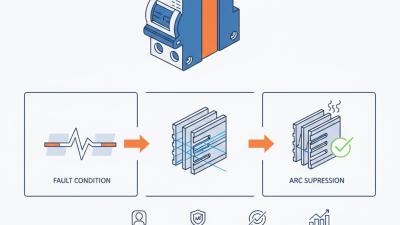
Arc chutes play a crucial role in the selection of Molded Case Circuit Breakers (MCCBs). They are essential components that help manage arcing during electrical faults. Understanding their significance can greatly influence the performance and reliability of your MCCB. When an electrical fault occurs, an arc forms between the contacts. This arc can cause damage if not properly extinguished. Arc chutes assist in cooling and quenching these arcs, ensuring safe operation.
Choosing the right arc chute involves various considerations. The design and material of the arc chute impact its effectiveness. Some chutes are made from specialized insulating materials that enhance arc suppression. Additionally, the physical dimensions and shape can influence the arc's path. This means that a one-size-fits-all approach does not work. It's vital to match the arc chute with the specific application and fault conditions.
Many may underestimate the importance of these components. However, improper selection can lead to equipment failure or safety hazards. Regular assessments and updates based on new technologies can improve safety and efficiency. Engaging with experienced professionals can aid in making informed decisions about arc chutes. Reliability in performance should never be compromised for short-term savings.
Key Features to Consider When Choosing Arc Chutes for MCCBs
When selecting arc chutes for molded case circuit breakers (MCCBs), several key features should be prioritized. The material used in arc chutes significantly affects their performance. Typically, high-quality ceramics or composites can withstand extreme heat and pressure. This durability is essential as it ensures the arc chute is effective in quenching the electrical arc during operation.
Another vital consideration is the design of the arc chute. A well-designed arc chute enhances airflow and allows for efficient cooling, which mitigates damage during fault conditions. Pay attention to the shape and size. A compact design may fit better in smaller panels but must still deliver optimal performance. In practice, balance between size and efficiency is crucial, leading to ongoing development and optimization of designs.
Compatibility with existing MCCBs is equally important. Ensure that the arc chute fits seamlessly with your selected circuit breaker. Misalignment can lead to failures and safety hazards. Regular evaluations of the selected components are necessary. Often, users overlook minor details, which can result in significant issues later. Consider seeking expert advice when in doubt; it can save time and resources in the long run.
Different Types of Arc Chutes and Their Applications in MCCBs
The choice of arc chutes in molded case circuit breakers (MCCBs) is crucial for ensuring reliability and safety in electrical systems. Arc chutes serve to extinguish the arc created during circuit interruption. Different types of arc chutes are employed, each with unique applications based on design and operation. For instance, vertical chutes are commonly used due to their effective dissipation of heat. Conversely, horizontal chutes can be advantageous in tight spaces.
Recent industry reports indicate that approximately 30% of MCCB failures are attributed to inadequate arc management. This highlights the importance of selecting the right type of arc chute to match the circuit breaker’s intended application. Additionally, the National Electrical Manufacturers Association (NEMA) suggests that performance tests can enhance reliability by assessing how various arc chutes perform under real operational conditions.
While numerous options exist, it is essential to evaluate specific requirements. Budget constraints may limit choices, but investing in quality arc chutes can reduce long-term maintenance costs. Exploring multiple designs ensures a tailored approach that addresses both performance and application needs. A well-considered selection can significantly enhance safety and operational efficiency.
2026 Top Arc Chute for MCCB Selection Tips and Guidelines
| Type of Arc Chute |
Material |
Application |
Advantages |
Considerations |
| Single Chamber Arc Chute |
Ceramic |
Industrial MCCBs |
High arc-extinction capability |
Limited cooling properties |
| Multiple Chamber Arc Chute |
Metal Composite |
Commercial Applications |
Effective arc management |
More complex installation |
| Static Arc Chute |
Insulating Material |
Low Voltage MCCBs |
Simple design and functionality |
Lower arc performance |
| Dynamic Arc Chute |
High-Temperature Alloy |
Heavy Duty Applications |
Adapts to operational conditions |
Complex design |
| Ventilated Arc Chute |
Plastic |
Medium Voltage MCCBs |
Improved air flow for cooling |
Maintenance for airflow |
Best Practices for Installing and Maintaining Arc Chutes in MCCBs
Installing and maintaining arc chutes in molded case circuit breakers (MCCBs) requires careful attention to detail. First, ensure that the arc chute is correctly aligned and securely fastened. Misalignment can result in inefficient arc quenching and potentially lead to equipment failure. Inspect the installation area for any debris or corrosion, as these can hinder performance. Adequate cleaning before installation is essential.
Regular maintenance is another critical aspect. Check for wear and tear on the arc chute frequently. Over time, components can degrade due to electrical stresses and environmental factors. Observing any changes in the performance of the MCCB can provide early warning signs. If discrepancies are noticed, it is prudent to consult a professional. Keeping a log of maintenance activities can help track issues over time and establish patterns.
Additionally, having the right tools for maintenance can make a substantial difference. A good quality multimeter can help verify circuit integrity. Improper tools may lead to inaccuracies in performance checks. Always familiarize yourself with the user manual and safety guidelines. They aren't just recommendations; they are essential for safe operations.
Common Pitfalls to Avoid in Arc Chute Selection for MCCBs
Arc chute selection for Molded Case Circuit Breakers (MCCBs) can be challenging. Many professionals make critical errors during this process. Understanding these pitfalls can lead to better performance and safety.
One common mistake is neglecting to consider the specific application. Arc chutes vary widely in their design and functionality. For instance, industrial settings may require more robust materials compared to residential use. According to industry reports, failures are often linked to improper ratings or incompatible designs. Ensure the arc chute matches the MCCB ratings to avoid significant issues.
Another oversight is overlooking environmental factors. Conditions such as humidity or temperature can greatly affect arc chute efficiency. These components are designed to work within specific limits. Failing to account for these elements can result in failure rates exceeding 20%, as indicated by recent studies.
Tips:
Choose arc chutes based on application specifics.
Check environmental limits before selection.
Review compatibility with MCCB ratings.
Always engage with reliable sources and updated reports when selecting components. Every detail is crucial for optimal performance.