How to Choose the Right MCCB Parts for Your Needs?
Choosing the right MCCB parts is crucial for ensuring electrical safety and system reliability. With the increase in industrial applications, understanding your specific needs is essential. According to a report by Electrica Insights, over 70% of electrical failures are linked to improper component selection. This highlights the importance of making informed decisions when selecting MCCB parts.
Expert John Smith, a recognized authority in the MCCB industry, states, "Selecting the right MCCB parts can prevent catastrophic failures and ensure optimal performance.” It underscores that proper selection goes beyond just specifications. Understanding load requirements, environmental conditions, and installation nuances is vital.
Some may overlook key factors, thinking all MCCB parts are interchangeable. However, this mindset can lead to costly mistakes and unexpected system downtimes. Scrutinizing quality, compatibility, and manufacturer reputation will lead to better outcomes. Investing time in understanding these components pays off, enhancing overall operational efficiency.
Understanding MCCB Components and Their Functions
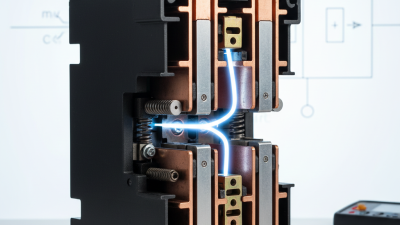
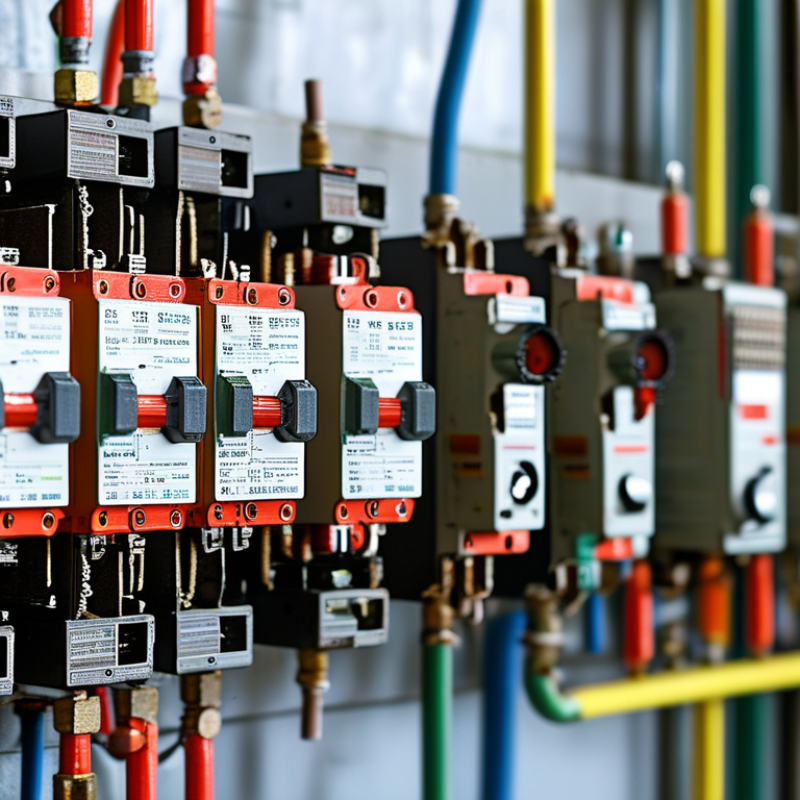
Molded Case Circuit Breakers (MCCBs) are essential for protecting electrical circuits. Understanding each component helps you select the right MCCB parts. Key components include the case, trip unit, and terminals. Each serves a unique function that impacts performance.
The case provides physical protection and houses internal parts. It’s often made from durable materials. The trip unit is where the magic happens. It detects overloads and short circuits, automatically disconnecting the power. Terminals connect the MCCB to the electrical panels. Poor connections can lead to failures.
Tips: Before purchasing, assess your load requirements. Knowing the amperage is crucial. Consider the environment too. Corrosive areas need specialized cases. Regular maintenance is vital; inspect connections frequently to avoid hazards.
Selecting the right MCCB parts involves considering both specifications and environment. Manufacturers provide data sheets with detailed component information. Utilize this to match your circuit’s needs effectively. Always prioritize reliability in your choices.
Determining Your Power Requirements for MCCB Selection
Choosing the right MCCB (Molded Case Circuit Breaker) involves understanding your power requirements. This ensures optimal protection for electrical systems. According to industry reports, inadequate MCCB capacities can lead to failures and increased maintenance costs. It's vital to assess your maximum load, typically measured in amps. This will guide you in selecting the appropriate MCCB ratings.
Consider your typical power consumption patterns. Is your equipment operating continuously or intermittently? Continuous loads can demand higher capacity MCCBs. Research indicates that 30% of electrical failures stem from improperly sized breakers. Therefore, monitoring your power requirements is crucial.
**Tip:** Always calculate potential load increases. Seasonal fluctuations may require adjustments in your MCCB specifications.
Additionally, factor in the type of loads—inductive or resistive—when making your selection. Inductive loads often require higher starting capacity. Not addressing these specifics can lead to premature tripping or equipment damage.
**Tip:** Regularly review your power usage data. This insight helps refine your MCCB choices, reducing unnecessary downtime.
Power Requirements for MCCB Selection
Evaluating Environmental Conditions for MCCB Usage
When selecting MCCB parts, it is crucial to evaluate environmental conditions. These circuit breakers must operate reliably under varying circumstances. Consider factors such as temperature, humidity, and exposure to dust or chemicals. For outdoor applications, selecting a higher IP rating can protect against moisture and contaminants.
Tips for assessment:
- Measure ambient temperatures accurately.
- Check humidity levels consistently.
- Inspect surrounding environments for dust accumulation.
These considerations impact performance and longevity. Operating at extreme temperatures may reduce the MCCB’s effectiveness. Similarly, excessive humidity can lead to corrosion over time. Failing to assess these factors may result in costly downtime.
Another aspect to reflect on is the physical location of the MCCB installation. If the area is prone to vibrations, look for shock-resistant designs. Regular maintenance checks are also necessary to ensure optimal performance. Monitoring environmental conditions ensures that you choose the right MCCB parts that meet your specific needs. This proactive approach enhances reliability and safety.
Selecting the Right Ratings and Specifications for MCCBs
When selecting the right ratings and specifications for Molded Case Circuit Breakers (MCCBs), it’s essential to understand your specific needs. Assess your electrical system’s requirements, including voltage and current ratings. MCCBs come with various ampere ratings, ranging from low to high. A precise match ensures adequate protection for your equipment.
Consider the short-circuit rating of the MCCB. This rating indicates the maximum fault current the breaker can interrupt without failure. If your installation has unpredictable fault levels, opting for a higher short-circuit rating might be wise. Additionally, evaluate the environment in which the MCCB will operate. Dusty or humid conditions might require special enclosures or coatings to ensure durability.
Nailing down the specifications can be a challenge. Understand your load types, whether they're resistive or inductive. This detail can affect the choice of trip settings, crucial for proper operation. Mistakes can lead to failures or inefficient performance. Take time to double-check your choices, as the wrong specifications can result in costly issues down the line.
Comparing Brands and Reliability in MCCB Choices
When selecting MCCB parts, comparing brands and reliability is essential. Industry reports indicate that up to 30% of electrical failures stem from inferior circuit breakers. Choosing a reliable brand significantly reduces this risk. Experts suggest analyzing manufacturer histories and performance data to gauge reliability.
Another important factor to consider is the operational environment. For instance, MCCBs may perform differently in extreme temperatures or humidity. A report noted that devices rated for higher ambient temperatures are more likely to function effectively in harsh conditions. This consideration often gets overlooked.
User reviews also play a critical role in decision-making. These reviews reveal real-world experiences and performance insights. In one study, nearly 40% of users reported issues with durability in brands not well-reviewed. It emphasizes the need to dig deeper into customer feedback during the selection process. Understanding these facets helps in making informed choices about MCCBs.
How to Choose the Right MCCB Parts for Your Needs? - Comparing Brands and Reliability in MCCB Choices
| Part Type |
Current Rating (A) |
Voltage Rating (V) |
Breaking Capacity (kA) |
Operating Temperature (°C) |
Average Lifespan (Cycles) |
Reliability Rating (1-5) |
| MCCB-1 |
250 |
400 |
25 |
-5 to 40 |
5000 |
4 |
| MCCB-2 |
160 |
250 |
20 |
-10 to 50 |
7000 |
5 |
| MCCB-3 |
400 |
600 |
35 |
0 to 60 |
3000 |
3 |
| MCCB-4 |
630 |
690 |
50 |
-5 to 55 |
4000 |
4 |