7 Best MCCB Electrical Brands for Global Buyers?
Choosing the right Mccb Electrical brand can influence safety, uptime, and maintenance costs across an international project. Buyers often compare breaking capacity, frame size, trip technology, accessories, and certification evidence. A 400A breaker may suit one factory, yet fail another application with higher fault levels. The rating label alone is not enough.
This guide examines seven widely recognized brands for global buyers, including Schneider Electric, Siemens, ABB, Eaton, Mitsubishi Electric, LS Electric, and CHINT. The selection reflects market presence, product documentation, service support, and field reputation. It does not suggest that one manufacturer fits every installation. Project conditions differ. Engineers should check voltage, frequency, short-circuit current, ambient temperature, and coordination requirements. Manufacturer test reports and current datasheets deserve careful review. So do local approval requirements.
Practical experience often exposes details that catalogs overlook. A breaker installed in a dusty panel may need stronger enclosure protection and more frequent inspection. A remote plant may value spare-part availability more than the lowest purchase price. Communication modules can also improve monitoring, but they add configuration work and future maintenance needs. Some brands offer excellent global support, while others may be stronger in selected regions. That difference matters.
The ranking therefore uses a balanced, evidence-based approach rather than advertising language. Any shortlist has limits. Prices, certifications, and product ranges can change. Buyers should validate every specification with an authorized supplier before ordering. That final check can prevent expensive mismatches.
What Is an MCCB and Why Does Brand Selection Matter?
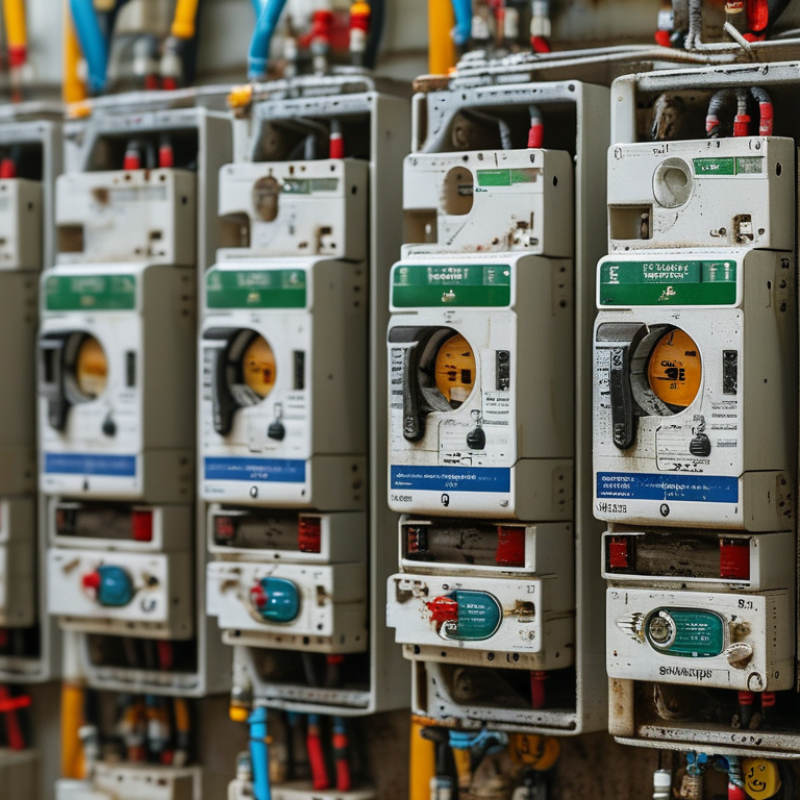
An MCCB, or moulded-case circuit breaker, protects low-voltage systems from overloads and short circuits. It also supports isolation during maintenance. Unlike a simple fuse, an MCCB can often be reset and adjusted for different operating conditions.
Brand selection matters because protection quality affects equipment, workers, and downtime. IEC 60947-2 defines important requirements for circuit-breaker performance, including breaking capacity and temperature behavior. MarketsandMarkets estimates the global circuit-breaker market will grow from about USD 7.8 billion in 2024 to USD 10.2 billion by 2029. The IEA’s Electricity 2024 report also expects global electricity demand to rise by about 3.4% annually through 2026. More demand means more panels, motors, and critical loads requiring dependable protection. A familiar name helps, but certification, test evidence, spare-part access, and regional support matter more. A catalog can look perfect. It may still hide limitations.
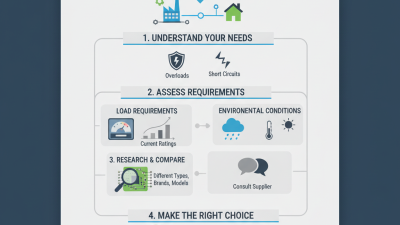
Tips: Compare rated current, breaking capacity, pole configuration, trip curves, and operating temperature. Check whether test reports match the exact model, not just the product family. Ask for installation guidance and replacement timelines. Small details matter. In practice, buyers sometimes choose the lowest price and regret the missing accessories later. I would also verify local approval requirements before ordering, because international compliance is not always accepted everywhere.
Key Criteria for Evaluating Global MCCB Manufacturers
7 Best MCCB Electrical Brands for Global Buyers?
Key Criteria for Evaluating Global MCCB Manufacturers
Choosing an MCCB manufacturer requires more than comparing prices or catalog photos. Start with verified technical data, including rated current, breaking capacity, voltage range, and trip characteristics. A reliable supplier should provide test reports aligned with IEC 60947-2 and relevant local requirements. Certification marks matter, but traceable documentation matters more.
Field experience often reveals weaknesses that brochures hide. Check whether the manufacturer performs routine production tests and maintains batch records. Ask for samples, dimensional drawings, wiring diagrams, and clear installation instructions. A dependable MCCB should operate consistently after repeated overload and short-circuit testing. Its terminals should feel solid, not merely look polished.
Thermal-magnetic and electronic trip units need careful evaluation. Confirm adjustment ranges, temperature compensation, selectivity data, and accessory compatibility. Global projects also require stable lead times, replacement parts, multilingual support, and practical warranty procedures. Factory audits or independent inspection can strengthen confidence.
Do not trust perfect paperwork alone. I have seen impressive documents fail to explain maintenance limits or derating conditions. That gap deserves attention. A manufacturer with engineering support can review ambient temperature, enclosure size, cable selection, and coordination studies before delivery. Supply-chain transparency is also important, especially for critical components and final assembly locations. The strongest choice is not always the cheapest or most famous. It is the manufacturer whose evidence remains clear under technical questioning.
Seven Leading MCCB Brands for International Buyers
For international buyers, the seven leading MCCB brands should be judged beyond catalog appearance. Experienced engineers compare rated current, breaking capacity, trip accuracy, and compliance with local standards. A 250A breaker may look suitable, yet its short-circuit rating can be inadequate for a factory feeder.
Look for manufacturers offering clear technical documents, tested accessories, and stable production quality. Useful details include thermal-magnetic or electronic trip options, adjustable settings, enclosure compatibility, and operating temperature ranges. Reliable suppliers also provide traceable test reports, responsive engineering support, and replacement parts for older installations.
Small details matter.
Field projects often reveal differences that brochures do not show. Terminals may loosen under vibration, or an auxiliary contact may fit poorly. I once assumed a lower-priced MCCB would reduce project costs, but delayed documentation created more work. That experience changed my evaluation method. I now check lifecycle support, delivery records, warranty terms, and regional certification before comparing prices. International buyers should also confirm whether the proposed MCCB matches cable size, coordination requirements, and the available fault level. Local regulations vary. Verify them carefully.
MCCB Brand Comparison by Performance, Certification, and Applications
The seven strongest MCCB suppliers for global buyers should be judged by measurable performance, not advertising claims. Check rated current, breaking capacity, Icu, Ics, and electrical endurance. A 400 A breaker may suit a workshop, but not a high-fault industrial panel. Electronic trip units offer finer adjustment and better selectivity. Thermal-magnetic units remain practical for simpler installations.
Certification must match the destination market and project specification.
Look for test evidence under IEC 60947-2, UL 489, or other accepted standards. Confirm the exact product series, not only the company certificate. Verify voltage ratings, short-circuit tests, temperature-rise data, and production traceability. CE marking alone does not prove every application requirement. This point is often missed.
Applications reveal real differences between MCCB brands. Commercial buildings may prioritize compact size, auxiliary contacts, and easy maintenance. Manufacturing plants need dependable coordination with upstream protection and motor loads. Solar and battery systems require careful attention to DC ratings and switching conditions. Marine or harsh environments demand stronger enclosure and corrosion considerations. Field experience helps, but memory can be unreliable. I still recheck terminal torque and trip settings before energizing equipment. No comparison is perfect. A lower-priced breaker can perform well, yet spare availability and technical support may decide the project outcome.
How to Choose the Right MCCB Brand for Your Market
How to Choose the Right MCCB Brand for Your Market
A suitable MCCB brand should match local regulations, not just a low purchase price. The IEC 60947-2 standard defines requirements for low-voltage circuit breakers, including overload and short-circuit performance. Check whether the supplier provides valid test reports, type-test certificates, and traceable production records. In markets using UL-based systems, verify compliance with the applicable national certification pathway. Local acceptance matters more than impressive brochures.
Study your electrical environment carefully. IEA’s Electricity 2024 report forecast global electricity demand growth of about 4% in 2024 and 2025. More factories, cooling systems, and digital infrastructure increase protection requirements. Compare rated current, breaking capacity, poles, trip curves, and operating temperature. A 400 A breaker may fail commercially if its short-circuit rating is too low for the installation. Small details matter.
Ask about spare trips, auxiliary contacts, replacement timelines, and technical support. A dependable supplier should explain coordination studies and provide clear wiring diagrams. I have seen buyers focus on unit price and overlook five-year maintenance costs. That choice can become expensive. Also, do not assume every certificate guarantees field performance. Review sample test records, inspect packaging, and request references from similar climates. Humidity, dust, and unstable grids can expose weaknesses that laboratory data does not show.