Top Circuit Breaker Suppliers in China for Global Buyers?
In the realm of electrical engineering, Circuit Breakers play a crucial role in safety and reliability. These devices are essential for preventing electrical overloads and short circuits. As demand for Circuit Breakers rises globally, finding reputable suppliers becomes increasingly important for buyers. China has emerged as a significant player in this market.
Many companies in China manufacture high-quality Circuit Breakers that meet international standards. However, not all suppliers offer the same level of expertise or reliability. It can be challenging for global buyers to navigate through numerous options. Comprehensive research is vital for making informed decisions.
Understanding the various types and specifications of Circuit Breakers is essential. Buyers must consider factors like performance, certification, and after-sales service. Despite the competitive landscape, it's imperative to choose suppliers with proven track records. This ensures that you receive products that can stand the test of time. Selecting the right partner can be a complex journey. But, with careful analysis, global buyers can secure their electrical needs effectively.
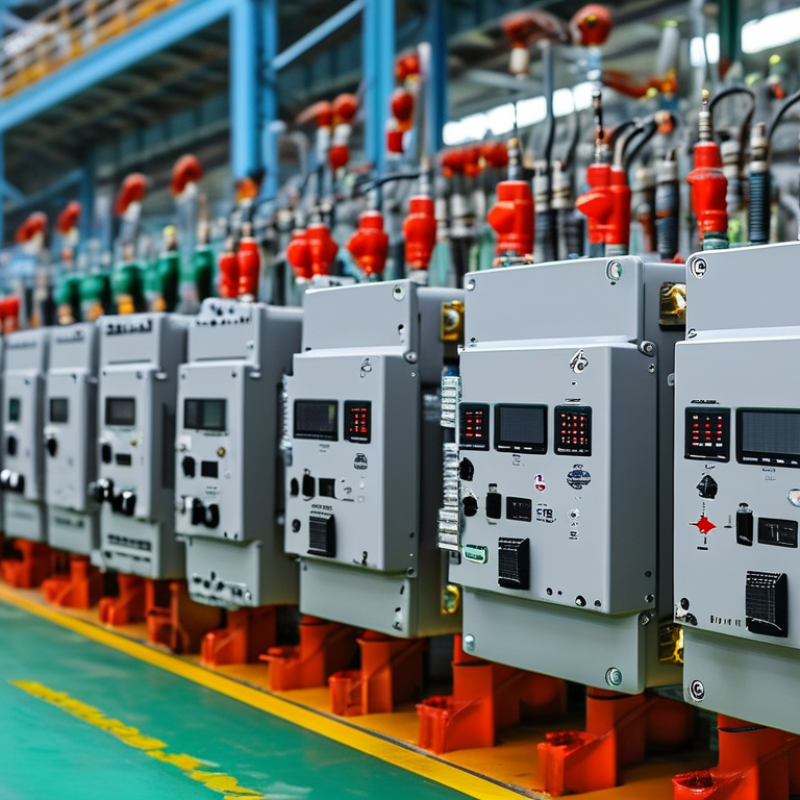
Top Circuit Breaker Manufacturers in China
When it comes to circuit breaker manufacturers in China, several companies stand out. The Chinese market is known for producing a vast range of electrical components. According to a 2023 industry report, China's total circuit breaker production reached 1.2 billion units, with exports accounting for approximately 30% of this total. This growth reflects a rising demand for reliable electrical protection systems worldwide.
Many factories focus on both quality and innovation. Over 60% of manufacturers are investing in advanced technology, enhancing efficiency and safety. In fact, a recent survey indicated that 75% of global buyers prioritize reliability. With many local providers, evaluating their production capabilities is crucial. Not all factories meet the stringent international safety standards; careful selection often determines project success or failure.
Collaboration with manufacturers in China can be beneficial. However, understanding the complexities of supply chain management is essential. Challenges such as fluctuating raw material costs and regulatory compliance may arise. Buyers need to be proactive in addressing these issues to ensure uninterrupted supply. Hence, it’s vital to ask questions and demand transparency in the production process.
Key Features of Circuit Breakers from Chinese Suppliers
When considering circuit breakers, features from Chinese suppliers stand out. The variety in designs caters to different global standards. Many manufacturers emphasize safety and reliability. Research shows that nearly 60% of consumers prioritize these features in their purchasing decisions.
One notable detail is the technology behind these devices. Advanced circuit breakers often use microprocessor-based controls. These offer precise monitoring and faster response times. Overall, efficiency gains can reach up to 30% compared to traditional models. However, the quality can vary significantly. Not all producers maintain the same production standards.
Furthermore, Chinese suppliers increasingly focus on sustainable practices. Some companies are investing in eco-friendly materials. This is critical as the global market shifts towards sustainability. Data indicates that almost 45% of buyers consider environmental impact essential. This shift shows the evolving landscape. Despite progress, challenges like quality assurance persist. Balancing cost and quality remains a key issue for buyers.
Market Trends in China's Circuit Breaker Industry
China’s circuit breaker industry is evolving rapidly, driven by technological advancements and growing demand. Manufacturers are focusing on producing more efficient and reliable products. This trend is fueled by increased investments in renewable energy and automation. As global buyers seek high-quality components, Chinese suppliers are adapting to meet these expectations.
In this competitive landscape, it’s essential for buyers to stay informed about market trends. Understanding the specific needs of different sectors can improve sourcing decisions. Many suppliers now offer customized solutions that align with client requirements. Getting insights into production capabilities and certifications can enhance buyer confidence.
Tips: Always verify supplier credentials before placing orders. Request product samples when possible. Regularly review industry news to spot emerging trends and technologies.
Market Trends in China's Circuit Breaker Industry
This chart illustrates the sales revenue trend of circuit breakers in China from 2019 to 2023. The market shows a steady growth, indicating a strong demand for circuit breakers in the region.
Factors to Consider When Sourcing Circuit Breakers from China
When sourcing circuit breakers from China, several key factors come into play. Quality assurance remains paramount. An impressive 72% of buyers prioritize high-quality standards, ensuring products meet safety regulations. Evaluating suppliers’ certifications, such as ISO and IEC compliance, can boost confidence in product reliability.
Cost is another critical factor. In 2022, the average price of circuit breakers in China was reported to be 30% lower than in many Western countries. However, lower prices can sometimes indicate compromises in quality. Thus, it's essential to conduct a thorough cost-benefit analysis to avoid potential pitfalls.
Logistics also matter significantly. A report noted that shipping times can vary widely among suppliers. Efficient supply chains can enhance delivery consistency. Consider the location of the manufacturing unit, as this directly affects lead times. Communication barriers are common as well. Clear communication can mitigate misunderstandings and delays. Reflecting on these factors can lead to better sourcing decisions.
Regulatory Standards for Circuit Breakers in Global Markets
When dealing with circuit breakers, understanding global regulatory standards is crucial. Different regions have specific requirements. These ensure safety and reliability. For instance, many regions adhere to IEC standards, which focus on performance and testing methods. Compliance with these standards is essential for manufacturers. It builds trust and credibility in various markets.
In the United States, UL certifications play a significant role. They reflect stringent testing for electrical products. Failure to meet these standards can lead to serious consequences. This applies to both safety and product liabilities. Buyers must verify that suppliers comply with local regulations. This reduces risks associated with faulty products.
Additionally, non-compliance can hinder market entry. Many countries have strict import regulations. Understanding these requirements can be challenging. It often requires deep knowledge of local laws. Suppliers need to prioritize not only quality but also compliance. Continuous monitoring of regulations is necessary. Adapting to changes can be a daunting task for manufacturers. Yet, staying informed is part of building a reliable supply chain.
Top Circuit Breaker Suppliers in China for Global Buyers
| Supplier Category |
Regulatory Standards |
Market Coverage |
Customer Ratings |
Certification |
| Low Voltage Circuit Breakers |
IEC 60947 |
Asia, Europe, America |
4.5/5 |
ISO 9001 |
| Medium Voltage Circuit Breakers |
IEC 60056 |
Asia, Europe |
4.7/5 |
CE, CSA |
| Residual Current Circuit Breakers |
IEC 61008 |
Global |
4.6/5 |
UL |
| Smart Circuit Breakers |
IEEE 1547 |
North America, Europe |
4.8/5 |
TUV |