Top Factors Influencing the Performance of Mcb Arc Chute?
The Mcb Arc Chute plays a crucial role in circuit breaker functionality. It is essential for protecting electrical systems from faults. Understanding the performance factors of the Mcb Arc Chute is vital for engineers and technicians alike.
Several elements influence its effectiveness. Material choice, design structure, and thermal management are key aspects to consider. Each factor impacts how well the Mcb Arc Chute can extinguish electrical arcs. This ultimately affects the longevity and reliability of electrical equipment.
Moreover, industry practices can vary widely. Some may overlook the importance of regular maintenance for Mcb Arc Chutes. This can lead to increased failure rates. By focusing on these performance factors, we can improve safety and efficiency in electrical systems. Ensuring a thorough evaluation is crucial for optimal performance.
Key Design Features of MCB Arc Chutes
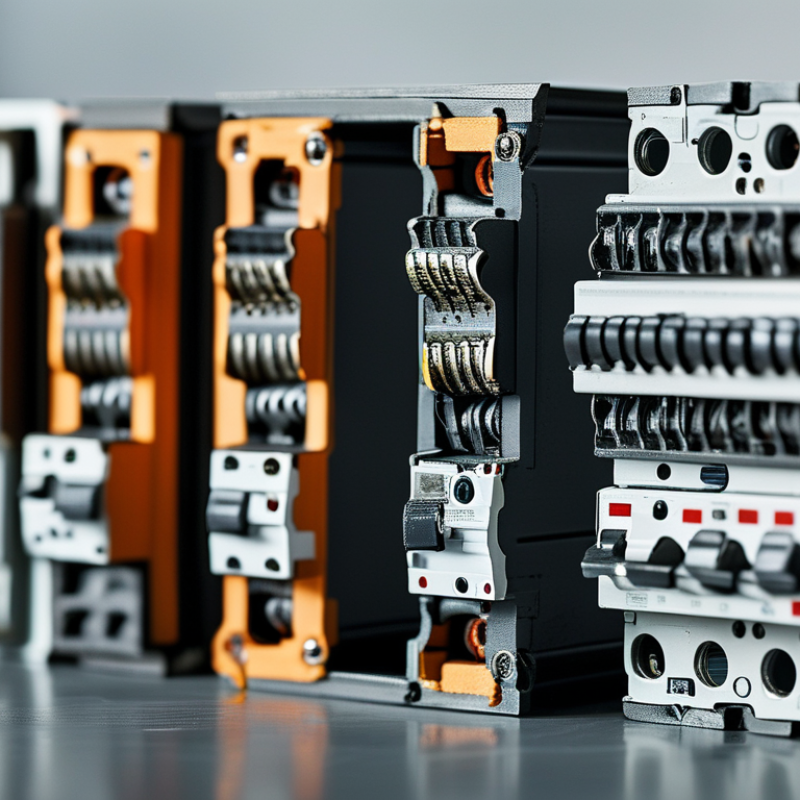
The design features of MCB arc chutes play a crucial role in their performance. Arc chutes are essential for extinguishing the electrical arcs that occur during circuit interruptions. A well-designed arc chute contains multiple plates or barriers, which help to cool and break the arc. This design reduces the risk of arc re-ignition.
Materials used in the circuit breaker arc chute are vital. They must withstand high temperatures and corrosive environments. Additionally, the geometry of the plates should maximize airflow for efficient cooling. This focus on airflow can greatly influence how effectively the arc is suppressed.
However, designing an effective arc chute is not without challenges. Balancing size and performance can be tricky. Smaller chutes may not cool the arc sufficiently, while larger ones can increase the overall size of the circuit breaker. Engineers must consider these trade-offs carefully. Testing and refining designs are crucial for improving reliability and efficiency.
Materials Used in MCB Arc Chute Construction
The materials used in MCB arc chute construction play a critical role in its performance. Commonly, materials like thermosetting plastics and ceramics are preferred due to their excellent thermal resistance. According to research published by electrical safety organizations, these materials can withstand temperatures exceeding 300°C during operation. This property is crucial for ensuring the safe interruption of electrical arcs.
Another essential aspect is the conductivity of these materials. While some lose their insulating properties at high temperatures, others maintain effectiveness even under stress. Graphene composites, for example, are being explored for their unique properties. They offer high thermal conductivity, which enhances arc extinction. In recent studies, graphene-infused components showed a 15% improvement in arc extinguishing capability compared to standard alternatives.
**Tips**: Regular testing of materials used in arc chutes is vital for maintaining safety standards. Ensure that the components meet industry regulations. Consider evaluating new materials to improve performance. The industry should remain open to innovations while reflecting on current practices.
Thermal Management in MCB Arc Chute Performance
Thermal management plays a critical role in the performance of mini circuit breaker (MCB) arc chutes. When an arc forms during operation, it generates significant heat. This heat must be effectively dissipated to avoid damage and maintain functionality. If not properly managed, excessive temperatures can lead to thermal failure, reducing the lifespan of the device.
An efficient arc chute design includes materials that can handle high temperatures. The choice of insulating materials is crucial. They must provide excellent thermal resistance while maintaining electrical insulation. Additionally, airflow around the arc chute is important. Enhanced ventilation can help dissipate heat more effectively. However, this can complicate the overall design, making it a challenging balance to achieve.
Monitoring thermal conditions is essential. Real-time data can help predict potential failures and improve reliability. Regular assessments can identify issues before they become severe. However, achieving this level of monitoring consistently remains an area for improvement. Manufacturers face challenges in integrating advanced thermal management systems. As technology evolves, the need for innovation in thermal management within MCB arc chutes will continue to grow.
Impact of Mechanical Structure on Arc Quenching
The mechanical structure of an MCB arc chute plays a critical role in arc quenching efficiency. Understanding how design elements impact performance is essential for optimizing electrical circuits. The shape and material of the chute can either enhance or hinder the quenching process. Material selection affects thermal conductivity and durability, influencing overall reliability.
Tips: Always consider using high-quality materials in construction. They directly impact arc management. Regular maintenance checks can prevent failures during operation.
The alignment of components in the arc chute also matters. Misalignment may lead to insufficient arc dispersion, prolonging the arc duration. Precise manufacturing tolerances should be maintained for best results. Even minor faults in design can lead to significant performance issues.
Tips: Conduct routine inspections of mechanical structures. Pay attention to wear and tear. A minor adjustment can vastly improve efficiency.
In conclusion, while the mechanical structure is often overlooked, it is fundamental in enhancing arc quenching in MCBs. Addressing design flaws can lead to notable improvements in safety and performance.
Testing and Standards for MCB Arc Chute Efficiency
The testing and standards for MCB arc chute efficiency are crucial for ensuring safety and performance. An efficient arc chute significantly affects the circuit breaker’s capacity to interrupt faults. Proper testing procedures must reflect real-world scenarios. This requires a detailed assessment of the arc extinguishing capability under various conditions.
Standards guide manufacturers in designing arc chutes that meet safety requirements. They typically involve temperature resilience and energy dissipation tests. Efficiency is often measured during short-circuit conditions, where the arc needs to be extinguished quickly. However, many standards may not capture every operational scenario. This limitation raises questions about the reliability of the tests performed.
Real-world application reveals discrepancies. Some arc chutes perform well in lab tests but fail under specific circumstances. Regular audits and updates to standards may be needed. Feedback from field tests should inform improvements. Balancing safety with performance in MCB arc chute design remains a challenge in the industry. This ongoing dialogue is essential for advancing technology and enhancing safety standards.
Top Factors Influencing the Performance of MCB Arc Chute
This chart shows the key factors influencing the efficiency of MCB arc chutes based on testing standards. The factors assessed include Material Quality, Design Efficiency, Heat Dissipation, and Contact Arrangement.