Find the Best Mcb Circuit Breaker for Your Needs Today
Choosing the right Mcb Circuit Breaker can be a daunting task. With various options available, it’s crucial to understand your specific needs. Mcb Circuit Breakers play a vital role in protecting your electrical systems. They prevent overloads and short circuits, making them essential for safety and efficiency.
The market is flooded with different models. Each offers unique features and specifications. Take your time to research before making a decision. A reliable Mcb Circuit Breaker can last for years, providing peace of mind. However, selecting the wrong one may lead to frequent trips or worse, fire hazards.
Consider factors such as current rating and installation requirements. This can significantly impact performance. Do not underestimate the importance of consulting experts. Their guidance can help you avoid common pitfalls. Reflect on your specific circumstances. The right Mcb Circuit Breaker is not just about cost; it is about safety and reliability.
Understanding the Basics of Miniature Circuit Breakers (MCBs)
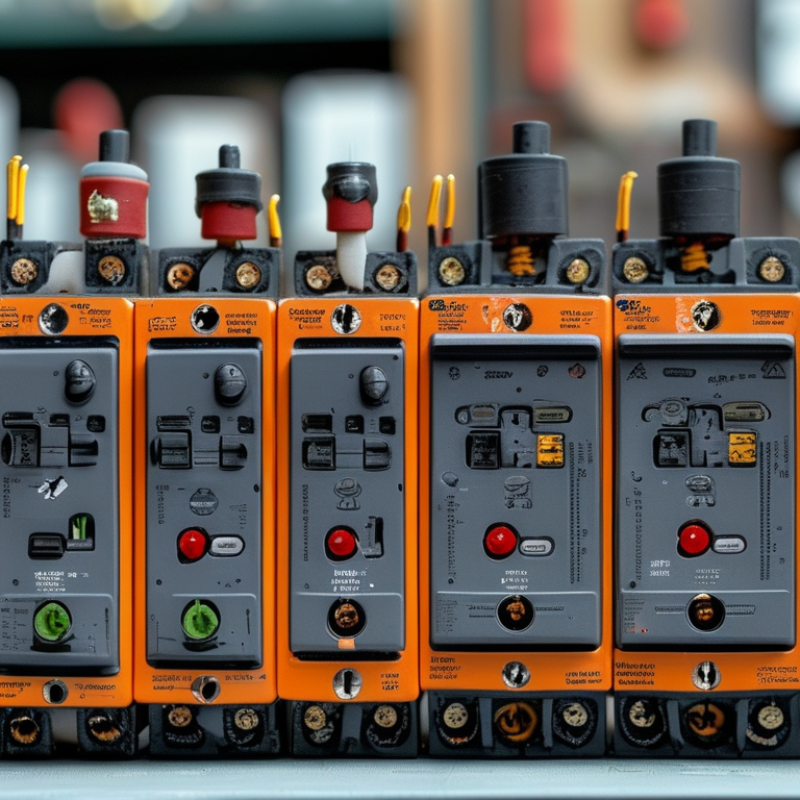
Miniature Circuit Breakers, or MCBs, are essential for electrical safety. They automatically disconnect circuits during overloads or short circuits. This prevents damage to appliances and reduces the risk of fire hazards. Understanding MCBs starts with knowing their current ratings. These ratings indicate the maximum load an MCB can handle safely. Choosing the right rating is crucial for both performance and safety.
MCBs come in various types, each suited for different applications. Type B MCBs are ideal for residential use, as they trip at lower currents. Type C MCBs can handle moderate inrush currents, making them suitable for industrial applications. However, it's essential to select an MCB that aligns with your specific needs. Misunderstanding the requirements can result in under or overprotection.
Maintenance is often overlooked but is critical. Regularly checking the functionality of MCBs ensures they respond during emergencies. While MCBs are reliable, they are not infallible. Relying solely on them without proper understanding can lead to dangerous situations. Being informed and proactive helps prevent mishaps. It’s good to consult with a professional for proper installation and guidance. This knowledge empowers users to make educated decisions about circuit protection.
Understanding the Demand for Miniature Circuit Breakers (MCBs)
This bar chart illustrates the demand for Miniature Circuit Breakers (MCBs) across various sectors, including Residential, Commercial, Industrial, Renewable Energy, and Data Centers. Each sector reflects the number of MCB units required, showcasing significant differences in needs that can help inform purchasing decisions.
Types of MCBs: Choosing the Right Style for Your Application
When selecting a miniature circuit breaker (MCB), understanding its types is crucial. MCBs are designed for various applications. The common types include Type B, C, and D. Each type has its characteristics. Type B is suitable for residential use, primarily for lighting circuits. It trips at lower currents, ideal for protecting delicate electronics.
Type C, on the other hand, is better for commercial setups. It can handle higher inrush currents, making it suitable for motors and transformers. This type is frequently used in small industries. Type D is less common, reserved for heavy industrial equipment. It can cope with high start-up currents and prevents unnecessary tripping.
Choosing the right type depends on your specific needs. Ensure you assess the load requirements carefully. It’s not uncommon for users to underestimate their needs, leading to inadequate protection. Keep in mind that a poorly chosen MCB can cause frequent tripping or failure to trip when needed. Thus, understanding your application ensures reliability and safety in your electrical system.
Key Features to Look for in High-Quality MCBs
When selecting a miniature circuit breaker (MCB), consider several key features to ensure optimal performance. First, the tripping mechanism is critical. There are two types: thermal and magnetic. Thermal devices trip based on heat, while magnetic ones react to overcurrent. According to IEC standards, an MCB must trip within specific timeframes to protect your circuits effectively.
Another important factor is the current rating. MCBs come in various ratings, from 6A to 63A or more. Selecting the right rating prevents nuisance tripping during routine activities. Research shows that about 80% of electrical failures stem from incorrect sizing of MCBs. Additionally, look for the breaking capacity, which indicates how much fault current an MCB can handle. For residential use, a breaking capacity of 6kA is often sufficient, but higher-rated devices are needed for industrial applications.
Durability is also a factor. High-quality MCBs should have a lifespan of around 10,000 switching operations. Reliability in extreme conditions is non-negotiable. An industry report from the Global Electrical Equipment Market suggests investing in MCBs with robust insulation and resistance to environmental stressors to ensure extended service life. While assembling all these details, remember that even a small oversight can lead to critical failures. Reflecting on this is essential to making informed decisions.
Find the Best Mcb Circuit Breaker for Your Needs Today - Key Features to Look for in High-Quality MCBs
| Feature |
Description |
Importance |
| Current Rating |
Select according to the load requirements |
Essential for safety and performance |
| Pole Configuration |
Single, double, triple, or four-pole options |
Critical for specific applications |
| Tripping Characteristics |
B, C, D types for different applications |
Important for operation response |
| Voltage Rating |
Designed for specific voltage levels |
Ensures compatibility with electrical systems |
| Breaking Capacity |
Ability to safely interrupt fault currents |
Critical for preventing equipment damage |
| Thermal and Magnetic Protection |
Two types of protection mechanisms |
Vital for comprehensive circuit protection |
| Compliance Standards |
Meets IEC and other standards |
Ensures reliability and quality |
Assessing Your Electrical Needs: Calculating Load Capacity
When assessing your electrical needs, understanding your load capacity is essential. This process helps avoid overloads and ensures safety. According to the National Electrical Manufacturers Association (NEMA), proper load calculations can prevent up to 90% of electrical failures. So, how do you calculate your load capacity?
Begin by listing all your electrical appliances. Include their wattage from product labels. The total wattage will give you a clear picture of your needs. NEMA suggests considering peak demand during busy times. This means accounting for all devices operating simultaneously. A common household may easily exceed 5,000 watts when multiple appliances are active, leading to potential circuit breaker tripping and hazards.
It's also vital to evaluate continuous versus non-continuous loads. Continuous loads running more than three hours should only occupy 80% of the circuit capacity. For a 20-amp breaker, this means a maximum of 16 amps or about 1,920 watts. Many overlook this guideline, risking safety and efficiency. Regular checks and updates of your load calculations can help maintain a safe environment. Ensure your MCB circuit breaker is aligned with your calculated needs for optimal performance.
Installation and Maintenance Tips for MCBs
When installing miniature circuit breakers (MCBs), proper setup is crucial for safety. MCBs are designed to protect electrical circuits from overload and short-circuit issues. According to the National Electrical Manufacturers Association (NEMA), improper installation accounts for over 30% of electrical failures. Ensuring that your MCB is the right size and type for your circuit is essential. Use a multimeter to check the circuit load before choosing an MCB. This small step can prevent unnecessary damage.
Regular maintenance is equally important. Many users underestimate the need for routine checks. A report from the Electrical Safety Foundation International (ESFI) indicates that about 25% of electrical fires result from faulty equipment. Inspecting connections and testing the MCB’s functionality can help catch issues early. Ideally, perform these checks at least once a year to ensure optimal performance. Remember, even minor signs of wear can signal a larger issue.
Installation and maintenance are interlinked. A well-installed MCB requires less frequent maintenance. However, a poorly installed unit can lead to frequent trips and possible system failures. Reviewing installation guides and getting professional help when necessary can save time and prevent hazards. It is vital to document any maintenance performed and track issues over time for a more reliable electrical system.