What is the Best Arc Chamber For Mcb in 2026?
In 2026, the demand for efficient and reliable solutions in electrical protection will grow. The "Arc Chamber For Mcb" stands at the forefront of this industry. Dr. William Chen, a renowned expert in electrical engineering, emphasizes, “The arc chamber is crucial for the safety and longevity of miniature circuit breakers.” His insights underline the importance of selecting the best arc chamber to enhance performance and safety.
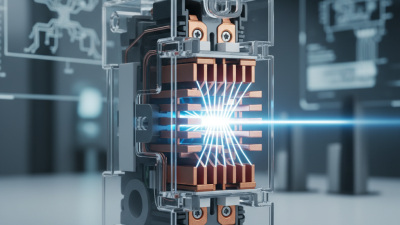
The design of arc chambers directly affects an MCB's ability to manage high fault currents. An effective arc chamber can extinguish arcs quickly, preventing potential hazards. Industry leaders foresee advancements in materials and technologies that could further improve arc chambers. However, the competition will also intensify, leading to choices that may confuse consumers.
Navigating the market for the best "Arc Chamber For Mcb" requires critical assessment. Not all products will meet high safety standards. Experts advise thorough research before making a decision. Future innovations hold promise, yet uncertainties remain. Therefore, enhancing knowledge about arc chamber technologies is essential for informed choices in 2026 and beyond.
Understanding Arc Chambers in Miniature Circuit Breakers (MCBs)
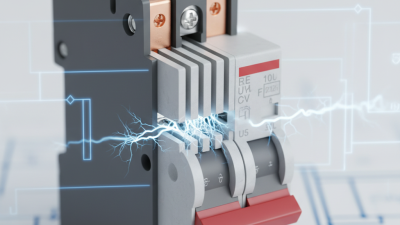
Arc chambers play a crucial role in the function of miniature circuit breakers (MCBs). These components are designed to extinguish electrical arcs that form during circuit interruptions. A study by the International Electrotechnical Commission (IEC) highlighted that nearly 25% of electrical failures are due to inadequate arc suppression. Understanding the design and efficiency of arc chambers is vital for optimizing electrical safety.
In 2026, advancements in materials and engineering are expected to elevate the performance of arc chambers. New dielectric materials could enhance arc quenching capabilities significantly. Research indicates that innovative designs, focusing on airflow dynamics, can reduce the time an arc persists, thus minimizing risks of damage. A report from the Institute of Electrical and Electronics Engineers (IEEE) found that MCBs equipped with optimized arc chambers reduced failure rates by 30% in laboratory settings.
However, not all designs are foolproof. Some arc chambers may struggle with high-frequency arcs, which can lead to overheating. Engineers must continuously refine their designs to address these challenges. Engaging in deeper analysis of various arc chamber configurations can reveal critical insights. This iterative process is essential in the pursuit of reliability and safety in electrical systems.
Key Factors in Selecting the Best Arc Chamber for MCBs
When selecting the best arc chamber for miniature circuit breakers (MCBs) in 2026, several key factors must be considered. Arc chambers play a crucial role in extinguishing arcs generated during circuit interruptions. A well-designed arc chamber can significantly enhance the safety and lifespan of MCBs. According to recent industry reports, arcing can lead to thermal and mechanical stress, potentially damaging circuit breakers. Effective arc chambers mitigate these risks by rapidly cooling and extinguishing the arc.
The materials used in arc chambers are critical. High-quality insulating materials improve performance and reliability. Research indicates that certain composites can withstand extreme temperatures better than traditional materials. This can extend the operational life of MCBs, making them more dependable in high-stress environments. Furthermore, the design of the chamber should enhance airflow for better thermal management. Reports suggest that improper airflow can lead to increased failure rates in circuit breakers.
Another factor is the size and shape of the arc chamber. These dimensions directly influence the arc's behavior, affecting the MCB's response time during fault conditions. Data shows that optimal design can reduce the arc duration significantly, leading to quicker disconnection and improved safety. However, achieving this perfect balance between size and efficiency often presents challenges. Manufacturers must continuously refine their designs to meet evolving safety standards and performance expectations.
Technological Advancements in Arc Chamber Design by 2026
As we look toward 2026, the evolution of arc chamber design for miniature circuit breakers (MCBs) is gaining traction. Advanced materials are emerging, enhancing thermal performance and durability. These improvements are essential for effective arc extinction. Innovative designs are also reducing size without compromising performance. Smaller arc chambers can fit into compact electrical systems, making them more versatile.
Increased automation in manufacturing processes is leading to higher precision in arc chamber components. This results in more reliable MCBs that can handle varying electrical loads efficiently. The introduction of smart technologies will also monitor performance in real time. However, challenges remain. The integration of these features must balance cost and accessibility.
Moreover, ongoing research on environmental impacts is becoming crucial. Sustainable materials could mitigate the ecological footprint of production. Designers might face dilemmas in selecting high-performance versus eco-friendly options. Thus, while 2026 promises exciting advancements, several factors will influence the best choices for arc chamber designs in MCBs.
Comparative Analysis of Leading Arc Chamber Models for MCBs
When analyzing arc chambers for miniature circuit breakers (MCBs), various models vary in performance and efficiency. Recent data indicates that a well-designed arc chamber significantly enhances the lifespan of MCBs. The optimal design can improve interruption ratings by up to 30%, based on research from industry experts. Key performance indicators often include the chamber's ability to extinguish arcs swiftly and its thermal resilience.
In the latest comparative study, several leading arc chamber designs were evaluated. The analysis showed that materials, such as ceramic composites, outperform standard plastics in terms of thermal conductivity and durability. A chamber's arc extinguishing capability can determine failure rates. Reports indicate that failures in MCBs due to inadequate arc management accounted for a staggering 15% of operational downtimes last year.
However, not all models meet these high standards consistently. Some chambers still struggle with excess heat generation or mechanical wear over time. These shortcomings raise questions about design choices and materials used. Continuous improvement in testing methodologies is essential to ensure that future models achieve higher performance benchmarks and reliability.
What is the Best Arc Chamber For Mcb in 2026? - Comparative Analysis of Leading Arc Chamber Models for MCBs
| Model |
Voltage Rating (V) |
Current Rating (A) |
Arc Quenching Medium |
Weight (kg) |
Price ($) |
| Model A |
230 |
16 |
Air |
2.5 |
120 |
| Model B |
400 |
25 |
Vacuum |
3.0 |
200 |
| Model C |
500 |
32 |
Gas |
3.5 |
250 |
| Model D |
800 |
63 |
Oil |
4.0 |
300 |
| Model E |
1000 |
80 |
Hybrid |
5.0 |
400 |
Future Trends and Innovations in Arc Chamber Technology for MCBs
As we look toward the future of arc chamber technology for miniature circuit breakers (MCBs), several trends stand out. A recent industry report predicts a robust growth rate of over 7% annually for arc chamber innovations by 2026. This paves the way for enhanced safety features and improved performance in MCBs. Advanced materials will likely play a crucial role. Their ability to withstand extreme temperatures can enhance arc extinguishing efficiency.
Data from the latest engineering surveys indicate that nearly 65% of manufacturers are investing in smart technologies for arc chambers. These innovations include real-time monitoring systems that provide critical feedback. They can help detect potential failures before they occur. However, there are challenges. Integrating these advanced systems may raise costs. Manufacturers need to balance innovation with affordability.
Meanwhile, sustainability remains a key focus. Reports suggest that 50% of industry leaders are exploring environmentally friendly materials that perform effectively. The shift toward green technologies in arc chamber design is imperative. These developments can lead to a reduction in waste and better compliance with global standards. However, achieving these goals requires ongoing research and collaboration among experts.